

Soup
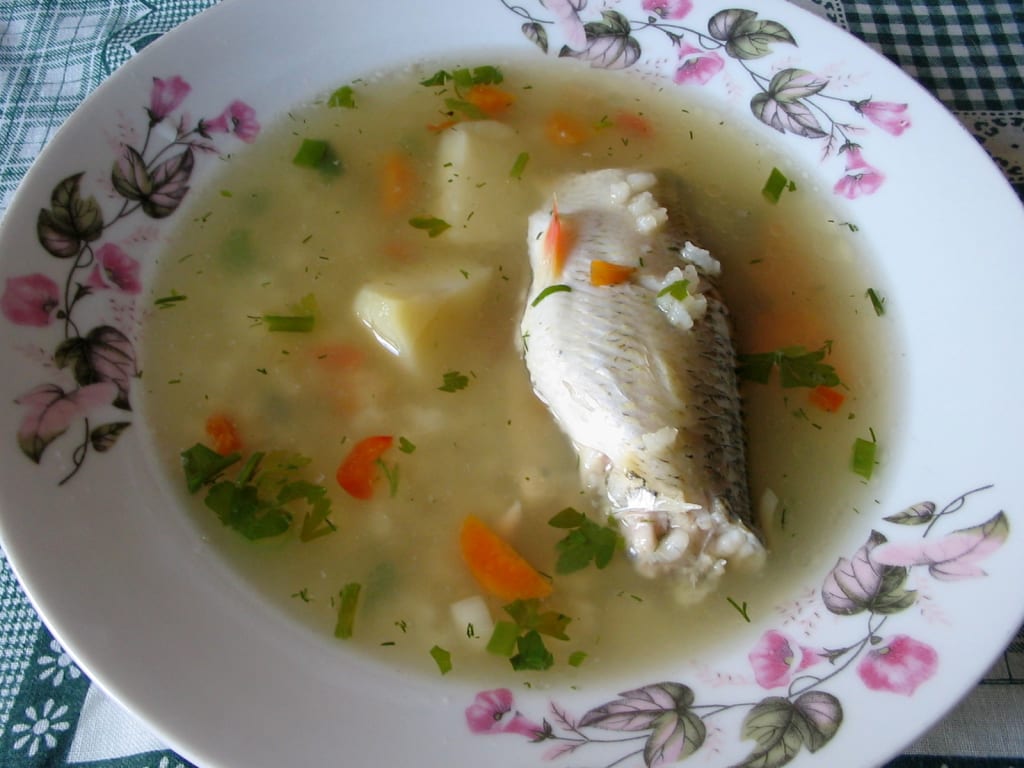
Ukha is a rustic Russian soup that is prepared with fish like salmon, cod, perch, and trout, root vegetables, herbs and seasonings. While the soup is simmering a bit of vodka is added to the pot. Originally a simple broth the soup became an elaborate dish during the 16th and 17th centuries at which time it was served in Russian courts. The soup was so delicious that it was a favorite of Ivan the Terrible.
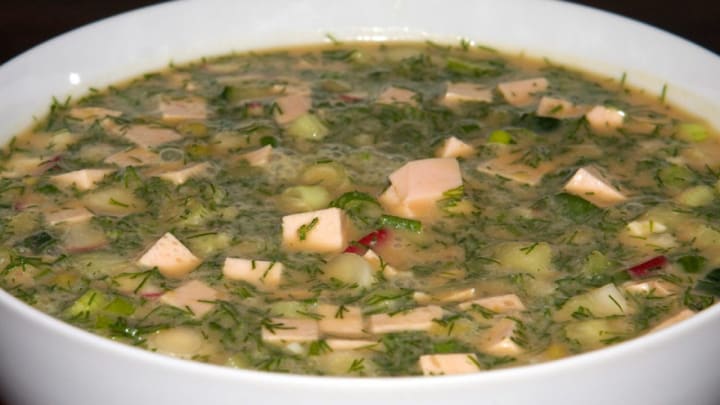
Okroshka is a classic Russian cold soup that is made with chopped vegetables, cooked meats, and potatoes in a kvass (fermented wheat drink) base or kefir. Depending on the region the meat can be tongue or sausages or ham or doktorskaya kolbasa (bologna-style sausage). If prefered one could also make the soup with smoked fish.
Almost all versions of this soup include cucumbers, scallions, dill, radishes, and hard-boiled eggs while some versions use fruit such as apples and cherries. The ratio of vegetables and meat should be 1:1. The name of the soup is derived from the Russian verb kroshit meaning to crumble or chop.
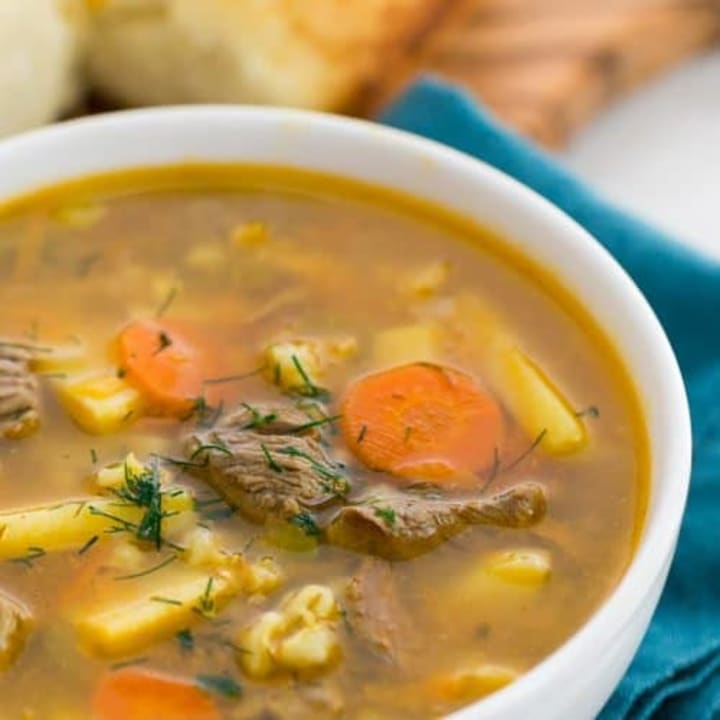
Rassolnik is a popular Russian soup that has a unique aroma and flavor. It is prepared with pickled cucumber, pearl barley, vegetables like potatoes, onions, and carrots, fresh herbs and offal such as chicken liver and beef or pork kidneys. Originally the soup was called kalya and made with fish.
The soup was often prepared for kings and nobles. Since the 19th century, kalya became rassolnik and no longer made with fish. It is believed that rassolnik has great hangover-curing properties. The soup is garnished with finely chopped dill and a bit of sour cream on top.
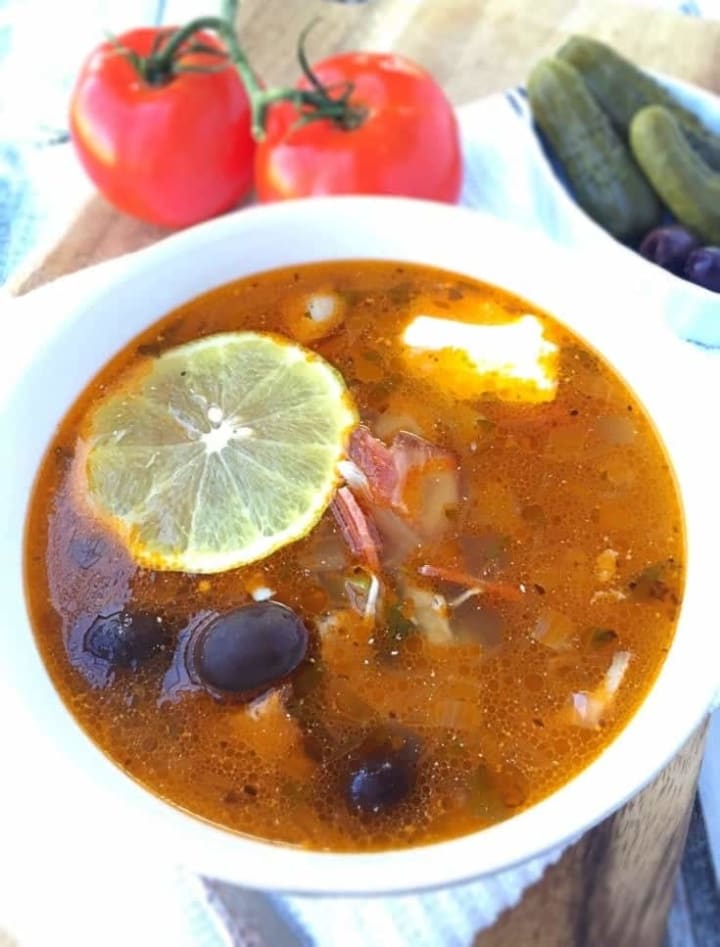
Solyanka is a traditional soup that is prepared with meat, fish, or mushroom and vegetables like tomatoes, onions, olives, and cabbage. The soup is usually served with lemon wedges on the side but lemon juice can be added while cooking.
The meat used typically is beef, pork, or chicken. It is a well-known hangover cure and is traditionally served with sour cream.
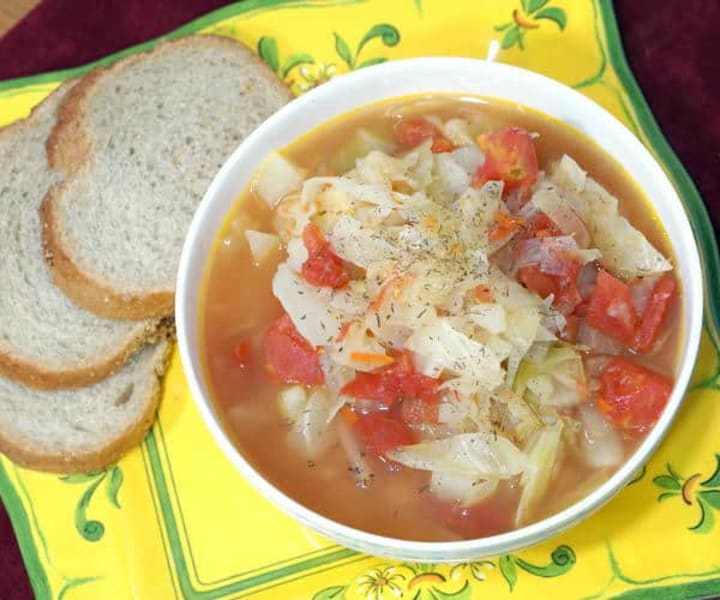
Shchi is a popular soup that consists of sour cabbage, meat, mushrooms, flour, and seasonings. Usually, the meat used is beef, poultry, or pork. The cabbage and meat were cooked separately and smetana cream (homemade sour cream) was added later as a garnish.
The soup has been made since the 9th century and over time some of the ingredients have changed, today flour is no longer added. The spices include bay leaves and pepper. Sometimes the meat can be replaced by fish.
Salad
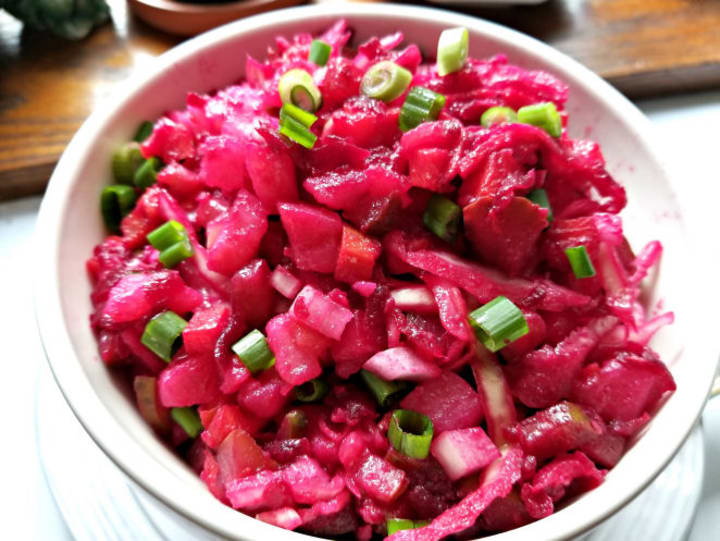
Vinegret, created in the 19th century is the oldest, very popular Russian salad. It is prepared with boiled beets, potatoes, carrots, sliced pickles, sauerkraut, and onions. The name of the salad is derived from the French tern vinaigrette referring to oily salad dressing in France.
Traditionally the salad is dressed with oil, vinegar or lemon juice, and sometimes mustard. It is prepared for holidays and festive events like New Year's celebrations. Usually, it is served with Russian black bread on the side and accompanied by meat, fish, sausages, or herring.

Mimoza is a traditional salad prepared in layers all separated by a layer of mayonnaise. The ingredients include canned and mashed fish like tuna, mackerel, salmon, or trout, boiled egg whites and yolks, onions, crumbled cheese and sometimes potatoes and carrots.
All of the ingredients are finely grated. The boiled egg yolks are usually the final layer which is why the salad is named mimoza because it looks similar to the spring flowers. The salad is garnished with chopped dill.
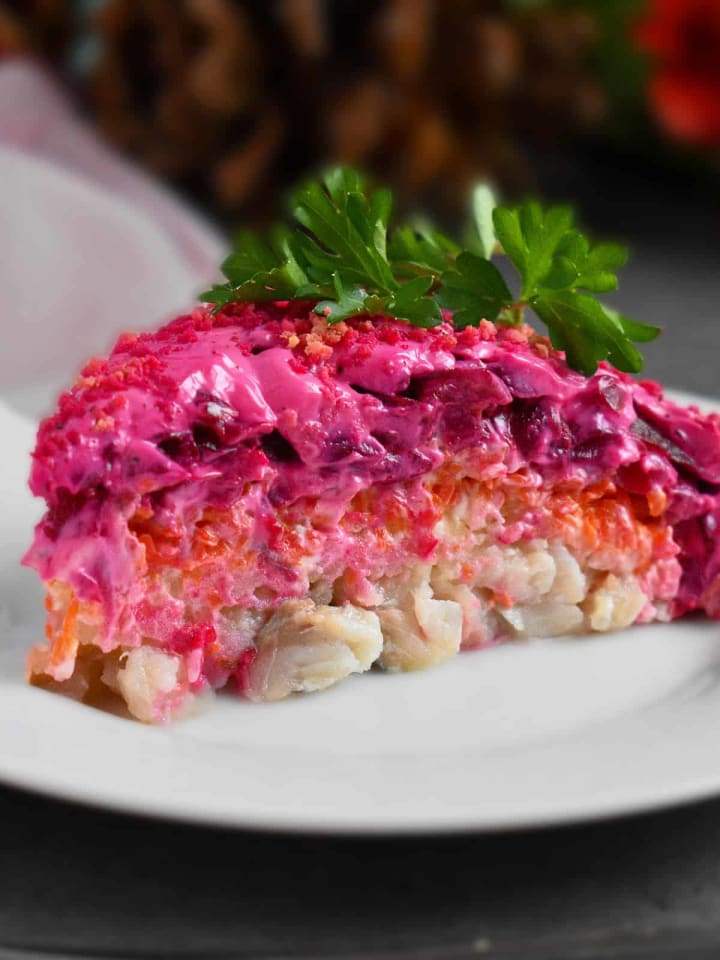
Shuba or herring under a fur coat is a unique Russian salad that has three distinctive layers salted herring, potatoes, and beets. Often the salad has more than three layers and includes apples, onions, or hard-boiled eggs.
It is believed the salad was created by a tavern owner named Anastas Bogomilov at the beginning of the 20th century. The red color of the beets symbolizes the red flag and the potatoes symbolize the staple food of peasants and workers. Today this dish is a well-known staple during Russian New Year celebrations.
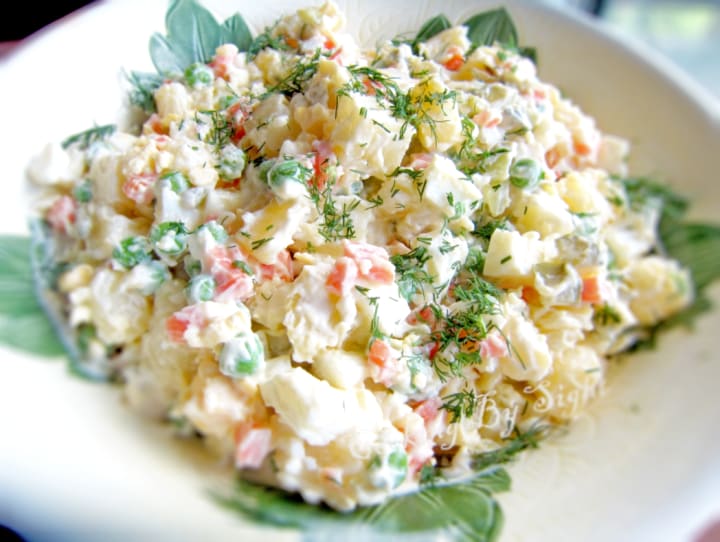
Olivier salad is prepared with chopped vegetables, meat, and mayonnaise. The main ingredients are diced potatoes, vegetables, eggs, chicken, or ham. This salad is popular as an appetizer at the New Year's salad buffets in Russia.
Traditional Russian Dishes
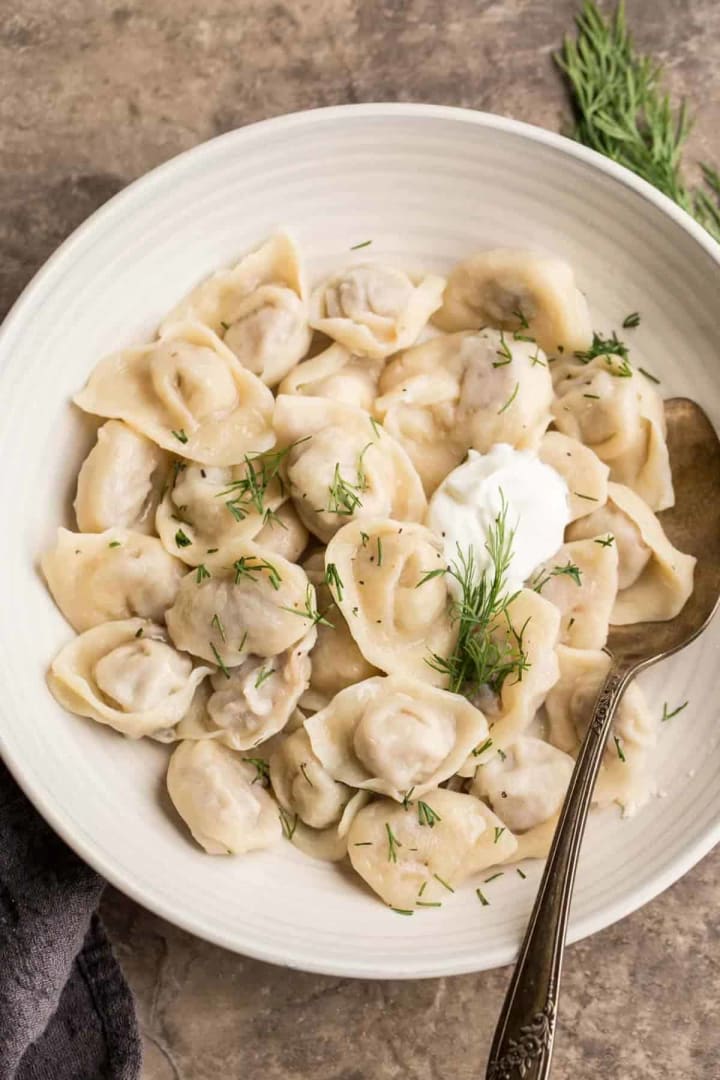
Pelmeni s gribami is a dish that is made with dumplings filled with mushrooms. To make the dish the mushrooms should be soaked overnight in water and then cooked and sauteed with fried onions. They can also be combined with rice of mashed potatoes. The dumplings can be accompanied by broth, sour cream, yogurt, or grated cheese.
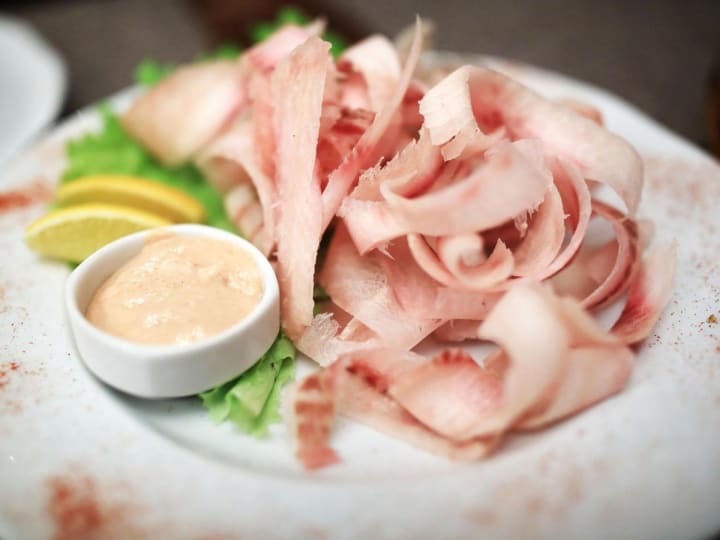
Stroganina is a Russian version of sashimi. It is made with a whole fish that is frozen raw and skinned and cut with a sharp knife into very thin slices. The fish slices should curl naturally and should be served immediately after slicing.
The dish originates from the Russian Arctic and is traditionally prepared with whitefish like omul, nelma, or muksun. The name derives from the word strogat, meaning to shave. Stroganina is served with vodka and served on ice.
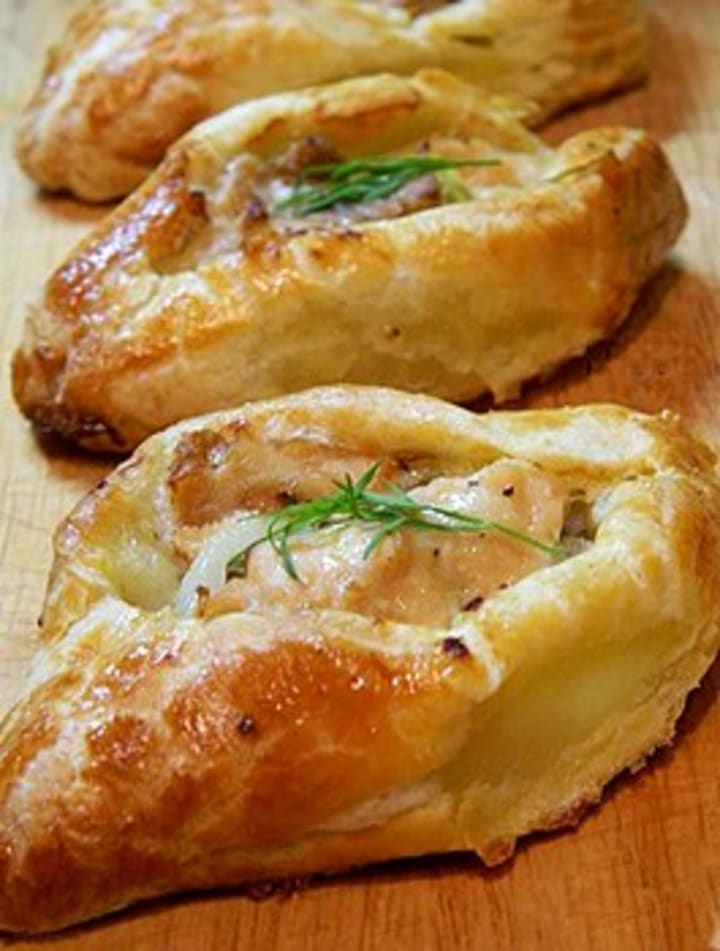
Rasstegai is a pastry with a hole in the center and stuffed with different fillings from liver with eggs to rice with mushrooms. The traditional stuffing is minced fish like sturgeon or salmon.
The pastry is made with flour, yeast, milk, eggs, butter, sugar, and salt. If using fish the filling is combined with onions, butter, and cream. Usually, rasstegai is served accompanied by soups and broths - the hole in the pastry is used to add broth to the filling.
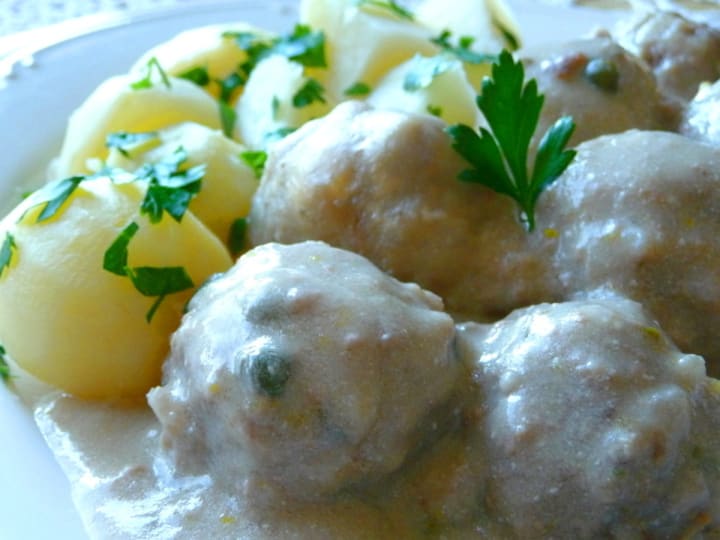
Konigsberger Klopse is a savory meal that is prepared with meatballs in a white sauce and served with boiled potatoes and sliced pickled beets. Klopse was created in Konigsberg now known as Kaliningrad in the 18th century.
The meatballs are made with minced veal, a small amount of anchovies, sardines, or herring and the white sauce has capers.
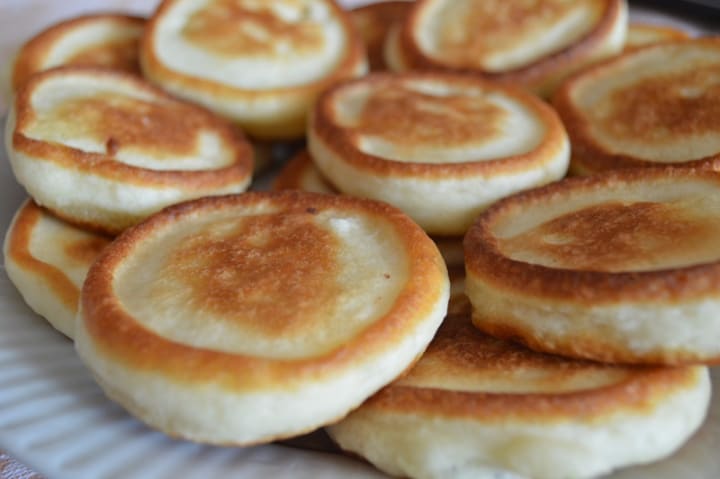
Oladyi are small well-known Russian pancakes. The batter is prepared with kefir, a fermented milk product with a slightly sour taste, flour, sugar, salt, and eggs.
They are pan-fried in small rounds turned and fried to a golden brown. When done they should be chewy with crunchy edges.
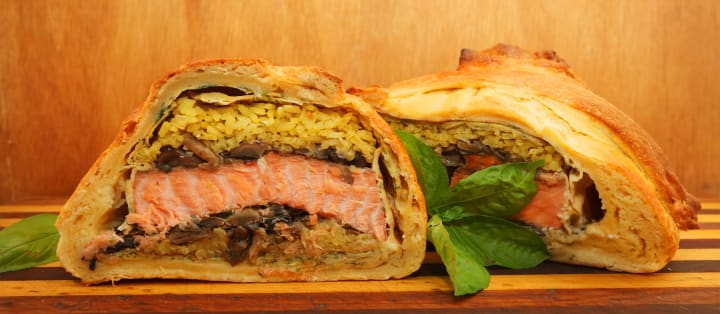
Coulibac is a pie that is oblong and filled with various fillings like salmon and buckwheat, cabbage with mushrooms and onions, or ground meat with rice and eggs. The pastry is prepared with yeast dough.
The pie was created in the 17th century and became popular in France in the 19th century when French travelers brought it home from Russia. It is recommended to eat the pie with a glass of milk or a cup of tea.
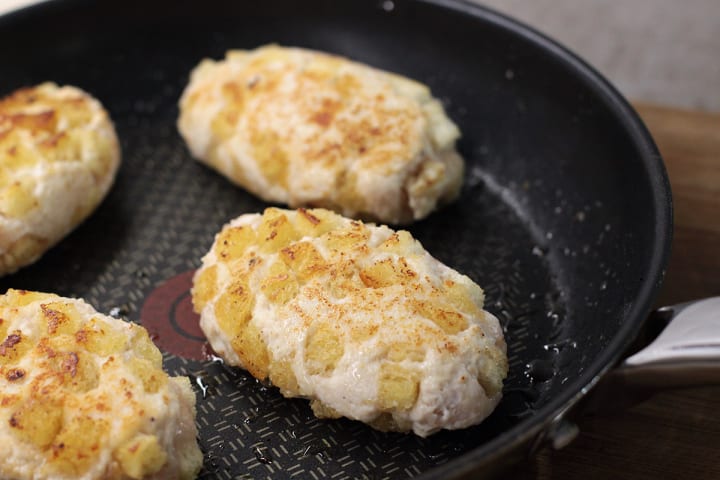
Pozharsky cutlet comes from the 19th century. The dish was named after Prince Pozharsky, since there was no veal available the prince told his chefs to use chicken and a new dish was born.
The dish is prepared with ground chicken that has been breaded and fried in butter. It is best accompanied by roasted potatoes, green beans or a similar vegetable.
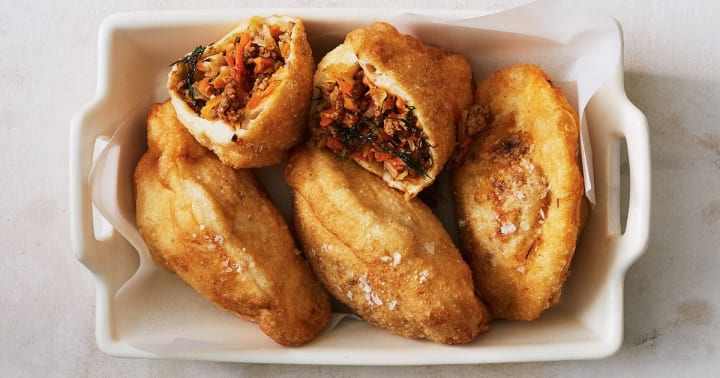
Pirozhki are often sold as street food. The pocket-sized, oval-shaped pirozhki are buns made with yeast dough and stuffed with various ingredients like fresh fruit, jams, and cottage cheese for sweet varieties or savory with meat, eggs, vegetables, fish and rice.
They can be either baked or fried. The name pirozhki literally translates to little pies and consumed as snacks.
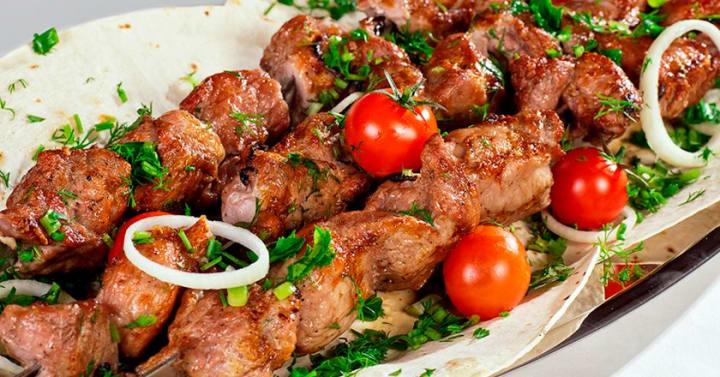
Shashlik is the name for a traditional Central and West Asian barbecue that consists of marinated, skewered, and grilled chunks of meat like beef, pork, or lamb along with chunks of vegetables like bell peppers, onions, mushrooms, or tomatoes.
The meat is marinated overnight in vinegar, herbs, spices, and dry wine. In Georgia, apart from the meat, fish like sturgeon is sometimes used.
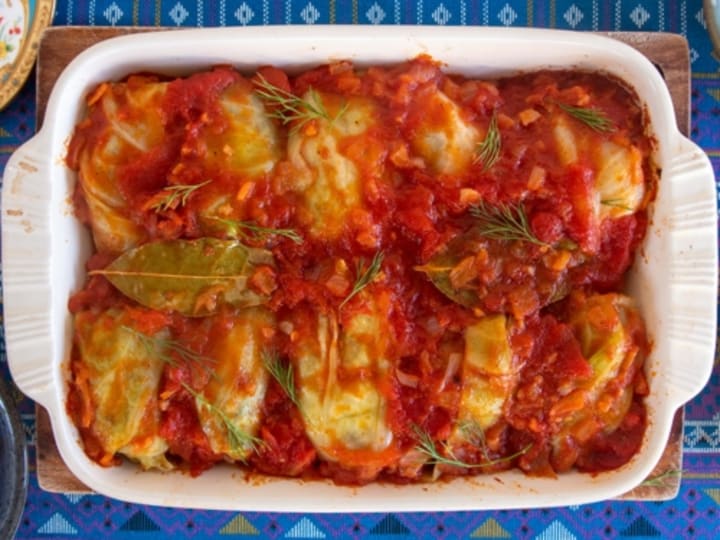
Golubtsy are cabbage rolls that have been stuffed with ground beef combined with rice or buckwheat.
The name of the dish means little pigeons and refers to the 18th-century aristocratic practice of grilling doves. Since poor people could not afford doves they invented fake doves or golubtsy. The dish is usually served with some sour cream on the side.
Sweet Treats
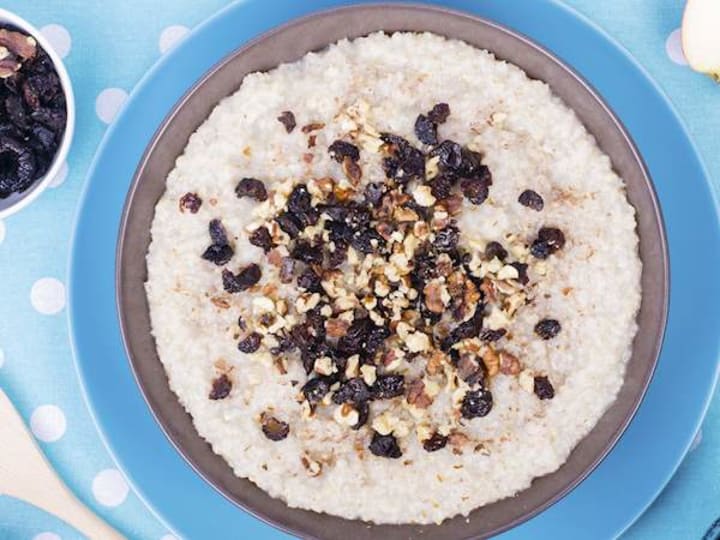
Guriev kasha is a traditional Russian semolina porridge. It is made with milk or cream and baked in the oven so a crust forms on top. When ready the top is removed and used to separate the semolina layers.
It is layered with nuts, fruit, or jams that are assembled between the milk crust and semolina filling. Before serving the dish is sprinkled with sugar and baked until a crispy skin forms on top.

Smetannik is a traditional layer cake. It is prepared with flour, sugar, eggs, honey, and has a sour cream frosting that consists of sour cream, vanilla, cream cheese, and milk. It is baked in a deep pan.
When the cake is ready it is recommended to let it rest overnight in the fridge. Then cut into individual pieces and served. It is popular on birthdays and festive occasions.
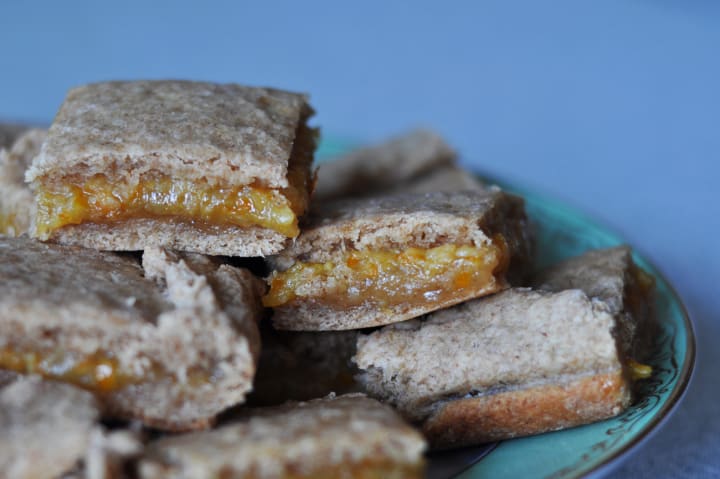
Limonnik is a refreshing pie that is delicious in the summer. It is quite aromatic and has a slightly sour taste due to the use of crushed lemons with their peel intact. The pie is prepared with a shortcrust pastry shell and filled with a combination of crushed lemons and sugar.
When cool it is cut into squares and sprinkled with icing sugar. It is good accompanied by a cup of coffee.

Zefir is a popular dessert and similar in texture to marshmallows. It consists of pureed apples or other fruit, pectin, and whipped egg whites.
This sweet treat comes in different flavors like cherry, strawberry, or cream. It can be coated with chocolate.
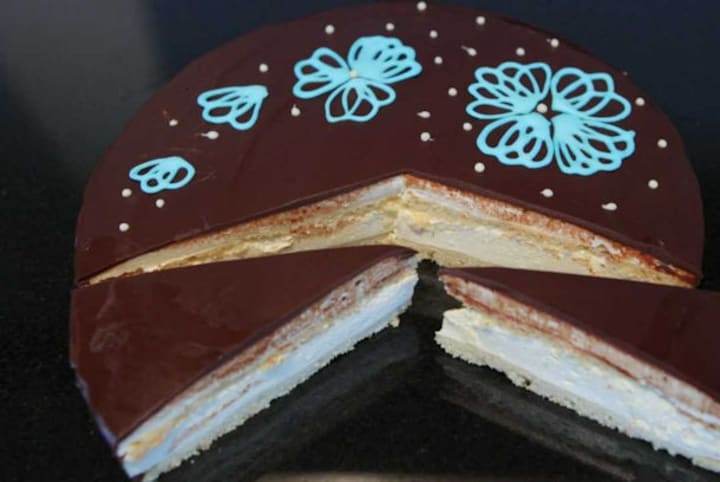
Ptischye Moloko is one of Russia's most loved desserts. A cake with souffle-like layers of custard separated by thin, fluffy and moist layers of sponge cake. The entire confection is topped with a rich chocolate ganache glaze.
It was first prepared in 1978 by Vladimir Guralnik, who was the head patisserie chef at Moscow's prestigious Praga restaurant.
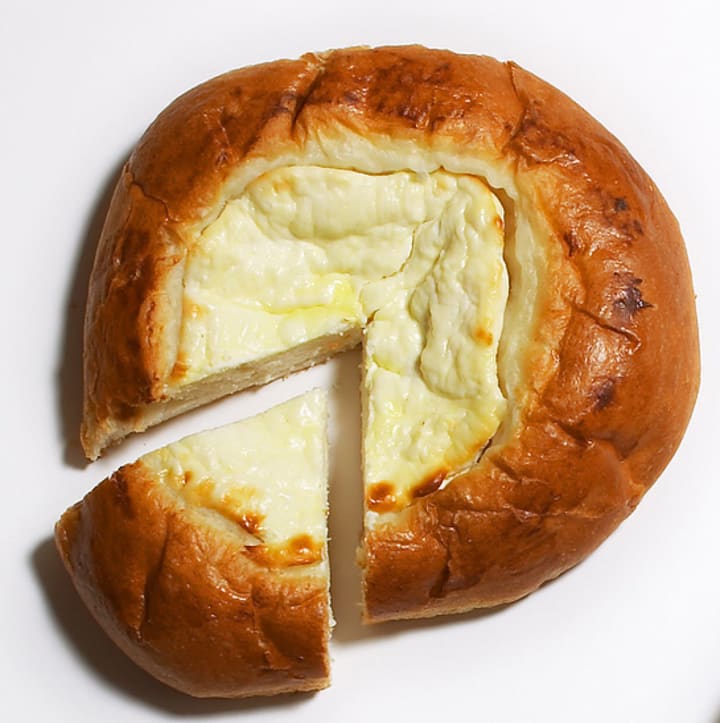
Vatrushka is a ring-shaped pastry filled with sweet cottage cheese and topped with raisins or pieces of fruit. Its name come from Roman languages and in Romanian vatra means bread baked over a fire.
Traditionally it is baked in a firewood oven. The pastry is popular all over the Ukraine and Belarus and sold in bakeries and stores.
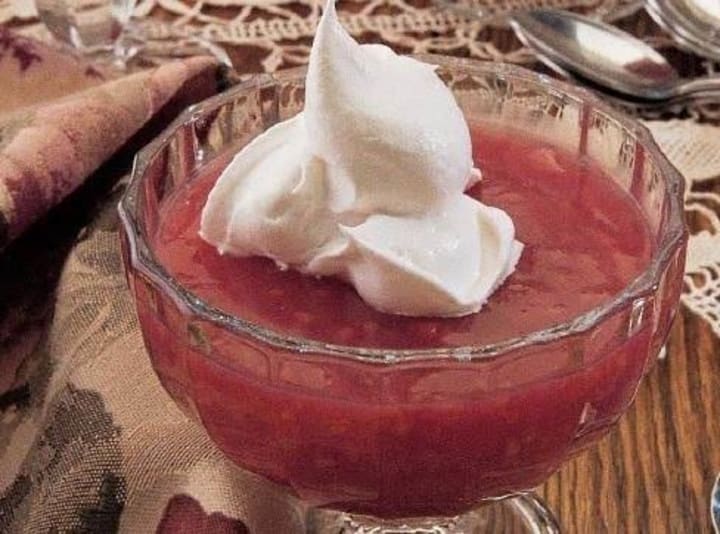
Kissel is often referred to as a dessert drink or soup and is usually made with refreshing berries. It is made with water, mashed fruit or fruit juice and thickening agents like cornstarch or potato starch.
Kissel can be served hot or cold. It is most often served as a drink or soup variation and consumed with sliced fruit and eaten with a spoon.
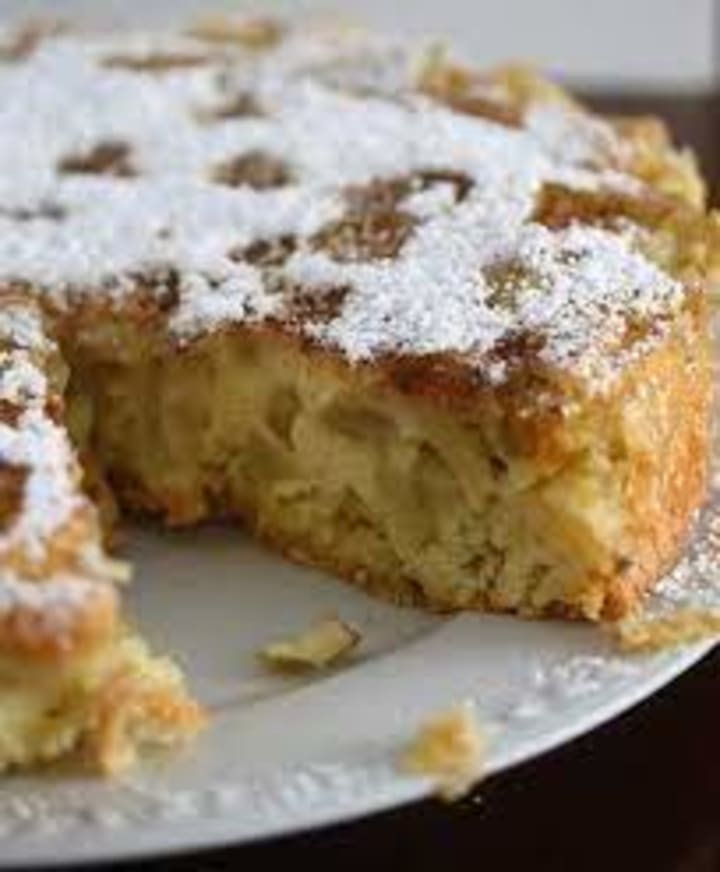
Sharlotka is a popular apple cake that is delicate and moist. It is prepared with eggs, sugar, flour, baking soda, and apple slices. Some people add honey or cinnamon for flavor. When served it is sprinkled with powdered sugar.
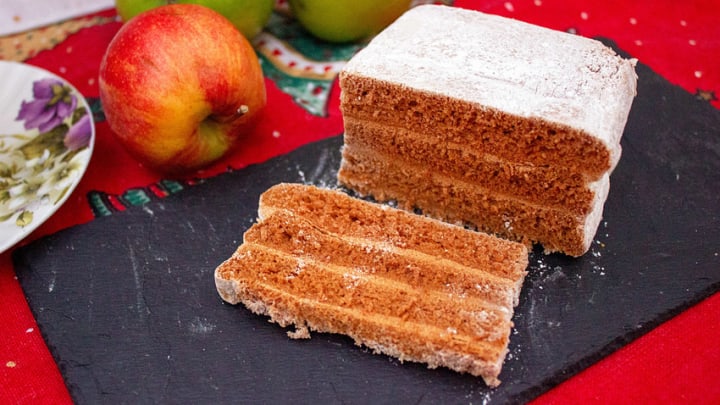
Pastila is a traditional sweet from the 17th century, It is a cross between candy and meringue cookies. Prepared with egg whites, sugar, and fruit.
Traditionally it is made from sour apples or berries.

Beverages
Yorsh is a popular beverage that is a combination of beer and vodka. Once combined it is recommended to drink it quickly since it is usually served in social settings after a toast.

Starka is a Russian vodka with the flavor of aged cognac that hints of rye/ It dates back to the 15th century and is traditionally associated with Russia, Lithuania, and Poland. Its origins are with Polish noble families that buried a distillate to age it in wooden barrels to commemorate the birth of a child. The best versions are aged in oak barrels.
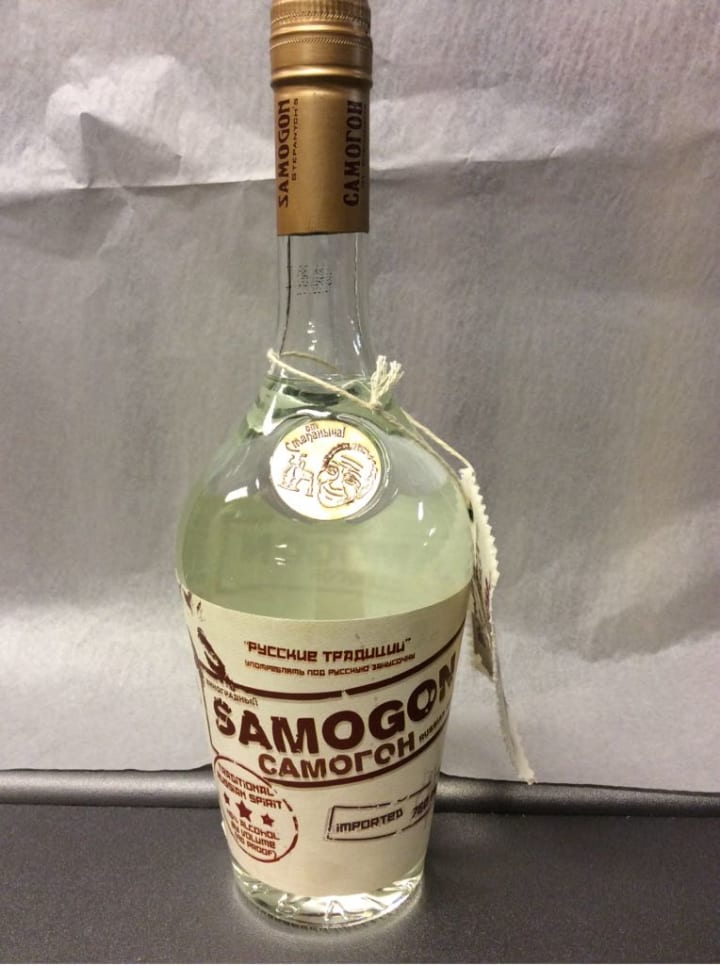
Samogon has been dubbed as Russian moonshine. It is a potent drink distilled from ingredients like grains, corn, beets, sugar, potatoes, bread and various fruit. Its name translates to self-distilled.
It has been the drink of choice among lower social classes and in rural areas.
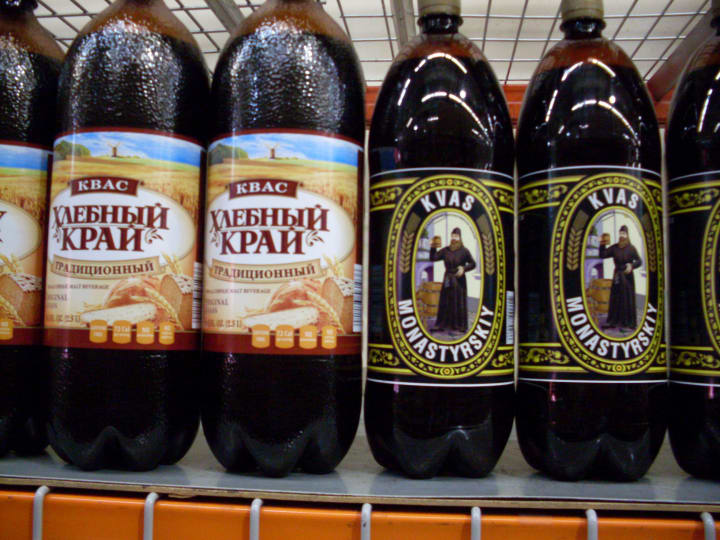
Kvass is an ancient, traditional Russian beverage made from buckwheat meal, wheat, rye, rye bread, or barley. It can be prepared from any ingredient that can be fermented. It has a low alcohol content and is classified as a non-alcoholic beverage in Russia.
About the Creator
Rasma Raisters
My passions are writing and creating poetry. I write for several sites online and have four themed blogs on Wordpress. Please follow me on Twitter.
Keep reading
More stories from Rasma Raisters and writers in Feast and other communities.
Going On A Food Safari
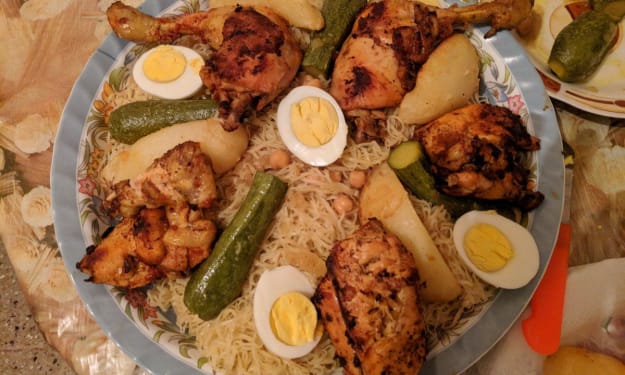
North Africa Algeria Rechta is a traditional Algerian dish. It is prepared with thin, flat noodles and chicken sauce. The noodles are made with flour, salt, water, and ghee. The chicken sauce is a mix of chicken pieces, onions, garlic, oil, chickpeas, turnips, potatoes, and zucchini. For more flavor ras el hanout (a mix of over a dozen different spices) is added to the sauce.
By Rasma Raisters4 years ago in Feast
My Tous les Jours Trip
As someone who lives in a rural area, I don't get the chance to visit fancy restaurants or bakeries that often. So, when a friend told me about a French-Asian bakery that's less than an hour away, I knew I had to check it out and grab some pictures for social media. Tous les Jours ended up providing an immersive experience that went above and beyond my expectations--although I did leave with a few reservations.
By Kaitlin Shanks21 days ago in Feast
No-Recipe-Needed Dessert Tutorials
1. Basque Burnt Cheesecake Cream cheese, a few high-quality farm-fresh eggs, heavy cream, and sugar—just mix them together. Sift the mixture into a mold to remove air bubbles. Bake at 180°C (356°F), both top and bottom heat, for 40-50 minutes. Done! It must be completely chilled before slicing. One bite, and you'll be floating on cloud nine... This is so good! It has an incredibly rich, cheesy aroma and melts instantly in your mouth. The key is that this method is just too simple and unbeatable.
By yue . shuiabout 6 hours ago in Feast


Comments
There are no comments for this story
Be the first to respond and start the conversation.