
A Taste of Home: The Legacy of My Grandmother’s Mantı
A Journey Through Flavor, Tradition, and Love

A Taste of Home: The Legacy of My Grandmother’s Mantı
A Nostalgic Journey Through Tradition, Family, and Flavor
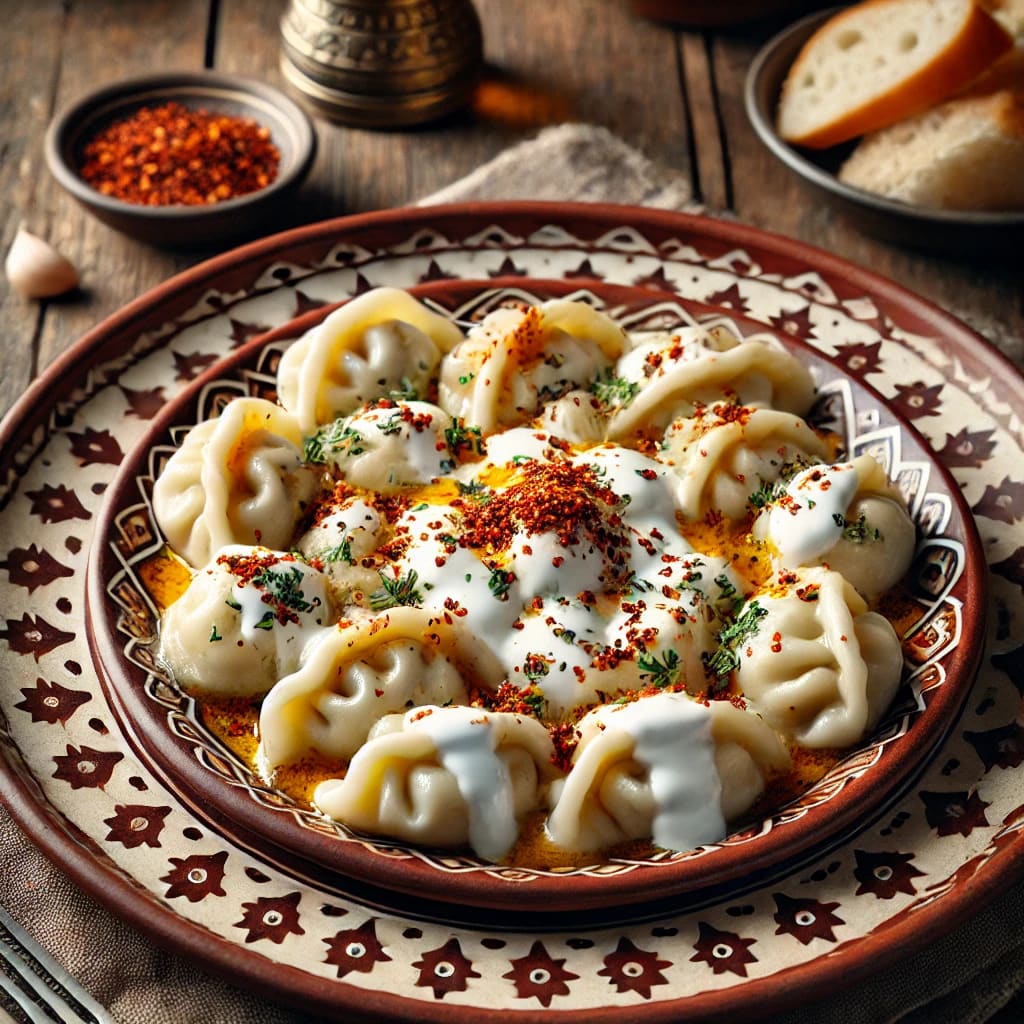
The scent of sizzling butter infused with red pepper, the tang of garlic yogurt melting on my tongue, the warmth of my grandmother’s kitchen—these are more than just memories. They are a part of who I am. Mantı, the tiny, delicate dumplings of Turkish cuisine, is more than just food; it is the taste of home, a bridge to the past, and a legacy of love passed down through generations.
A Memory Wrapped in Dough
I grew up watching my grandmother at the kitchen table, her hands moving swiftly yet gently as she crafted each piece of mantı with practiced ease. She would roll out the dough, paper-thin, and cut it into perfect little squares. Each square was then filled with a tiny portion of spiced meat, folded with care, and sealed into a delicate little parcel. The rhythmic motion of her fingers, the soft hum of a song under her breath—these are the moments etched into my soul.
As a child, I sat beside her, eager to help but clumsy in execution. My fingers fumbled as I attempted to pinch the edges just right so they wouldn’t open while cooking. She would laugh, correct my mistakes with patient hands, and remind me that the love we put into food was just as important as the ingredients themselves. Mantı was never just about eating; it was about coming together, about preserving a tradition older than both of us.
The Cultural Significance of Mantı
Mantı is more than a dish; it is a symbol of heritage and togetherness. In Turkey, it is often prepared during special family gatherings, a ritual that brings generations together. Some say that the smaller the mantı, the greater the love of the one making it. My grandmother took this saying to heart, painstakingly crafting each dumpling with care and dedication.
The origins of mantı trace back to the Central Asian Turkic tribes who carried this dish across the Silk Road, adapting it to different cultures along the way. Today, variations of mantı exist across regions—from the soup-style version in Kayseri to the steamed iterations found in some parts of the Caucasus. But no matter the style, the heart of mantı remains the same: a labor of love meant to be shared.
The Taste of Comfort
The first bite of mantı is always profound. The delicate dough cradles a filling of rich, spiced meat. The contrast of the tangy garlic yogurt against the warmth of the dumplings is soothing, while the sizzling butter infused with red pepper and mint adds a depth of flavor that lingers. Every element harmonizes into something greater than the sum of its parts—a comforting embrace in edible form.
But beyond its flavors, mantı carries an emotional weight. Every time I make it, I hear my grandmother’s voice guiding my hands, reminding me to take my time, to cherish the process. The kitchen fills with the familiar aroma of flour, spices, and love, and suddenly, she is there with me, just as she always was.
My Grandmother’s Mantı Recipe
Ingredients:
For the Dough:
3 cups all-purpose flour
1 teaspoon salt
1 egg
¾ cup water (adjust as needed)
For the Filling:
250g (½ lb) ground beef or lamb
1 small onion, finely grated
1 teaspoon salt
½ teaspoon black pepper
½ teaspoon ground cumin (optional)
For the Garlic Yogurt Sauce:
2 cups plain yogurt
2 cloves garlic, minced
Salt to taste
For the Butter Sauce:
3 tablespoons butter
1 teaspoon red pepper flakes (Aleppo pepper preferred)
1 teaspoon dried mint (optional)
Instructions:
Prepare the Dough: In a large bowl, combine flour and salt. Make a well in the center and add the egg and water gradually, mixing until a firm dough forms. Knead for about 8-10 minutes until smooth. Cover with a damp cloth and let rest for 30 minutes.
Prepare the Filling: In a separate bowl, mix the ground meat with grated onion, salt, black pepper, and cumin. Set aside.
Roll and Cut the Dough: Divide the dough into two portions. Roll each portion out on a floured surface into a thin sheet (about 1mm thick). Cut into small squares, approximately 2 cm x 2 cm.
Fill and Fold the Mantı: Place a tiny portion of the meat filling (about the size of a pea) in the center of each square. Pinch the corners together to form a small dumpling, sealing tightly to prevent opening while cooking.
Cook the Mantı: Bring a large pot of salted water to a boil. Drop in the mantı and cook for about 7-8 minutes, or until they float to the surface. Drain and set aside.
Prepare the Garlic Yogurt: In a bowl, mix yogurt with minced garlic and salt. Stir well and set aside.
Prepare the Butter Sauce: In a small pan, melt butter over low heat. Add red pepper flakes and mint, stirring for a few seconds until fragrant.
Assemble the Dish: Place the cooked mantı on a plate, generously spoon over the garlic yogurt, and drizzle with the spicy butter sauce.
Serve and Enjoy: Garnish with additional mint or sumac if desired. Serve immediately and savor the taste of tradition.
Carrying the Tradition Forward
Though my grandmother is no longer here, her legacy lives on through this dish. Every time I prepare mantı, I feel a piece of her beside me, guiding me, reminding me that food is more than sustenance—it is a connection to our past and a promise to the future.
Mantı is more than just food; it is a love letter to the past, a reminder that home is never far away, so long as we keep our traditions alive. And with each carefully folded dumpling, I find myself closer to my grandmother, closer to my roots, and forever grateful for the taste of home.
About the Creator
Ahmet Kıvanç Demirkıran
As a technology and innovation enthusiast, I aim to bring fresh perspectives to my readers, drawing from my experience.
Keep reading
More stories from Ahmet Kıvanç Demirkıran and writers in Feast and other communities.
My Tous les Jours Trip
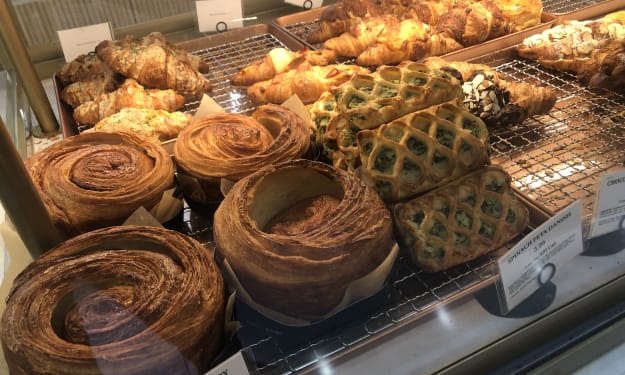
As someone who lives in a rural area, I don't get the chance to visit fancy restaurants or bakeries that often. So, when a friend told me about a French-Asian bakery that's less than an hour away, I knew I had to check it out and grab some pictures for social media. Tous les Jours ended up providing an immersive experience that went above and beyond my expectations--although I did leave with a few reservations.
By Kaitlin Shanks24 days ago in Feast
Global Fruit Snacks Market Set to Double by 2033 as Healthier Snacking Takes Center Stage
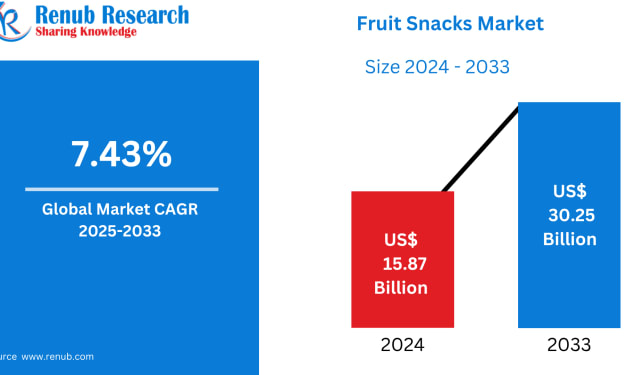
Global Fruit Snacks Market Size & Forecast 2025–2033 The Global Fruit Snacks Market was valued at US$ 15.87 billion in 2024 and is expected to grow to US$ 30.25 billion by 2033, registering a strong CAGR of 7.43% during 2025–2033, according to Renub Research. This robust expansion is being driven by a powerful combination of changing consumer lifestyles, increasing health awareness, and the global shift toward convenient, naturally derived snack foods.
By jaiklin Fanandishabout 14 hours ago in Feast


Comments (1)
Sounds delicious. May I have some?