
7 Weight Loss Tips that Actually Work
The Seven Weight Loss Tips that Actually Work Well for Women Over Age 30.


1. Eat Slowly
Firstly, choose the foods you like, and really taste each morsel going into your mouth while you chew them deliberately. Chew your food slowly, swallow only when the food is all chewed up, and repeat. Our bodies take approximately 15–20 minutes to know when we’re full. Hence eating slowly not only allows us to enjoy our food at ease, it also gives us better cues of satiety.

2. Keep a Daily Gratitude Journal
Whether we realize it or not, our eating habits are sometimes connected to our emotions. The most general case is, when we’re stressed, we may use food to help cope with the pressure. Keep a daily journal of things you’re grateful for — or even just a journal to write in order to express your negative emotions (stressed, anxiety, anger, sad, etc.) — so that you’re better prepared to cope with all the negative emotions by acknowledging it when it appears, and utilizing other tools to cope with it rather than reaching for food as a coping mechanism.

3. Don’t Forget the Weights
Make sure you are lifting weights two to three times a week. Using moderate to heavy weights — three or four sets of 10 to 15 reps with weights that challenge you. Other than it helps increase your muscle mass, it boost your daily energy level as well. When you have more muscle on your body, the food you eat is more likely to be utilized as fuel, rather than to be stored as fat.

Click Here for My Number 1 Way to Lose Weight.
4. Cut Calories, Not Flavor
By choosing options such as sharp cheddar over mild cheddar, you can use less, but you’ll still get a lot of flavor without feeling like you’re on a diet. Isn’t it sounds good?

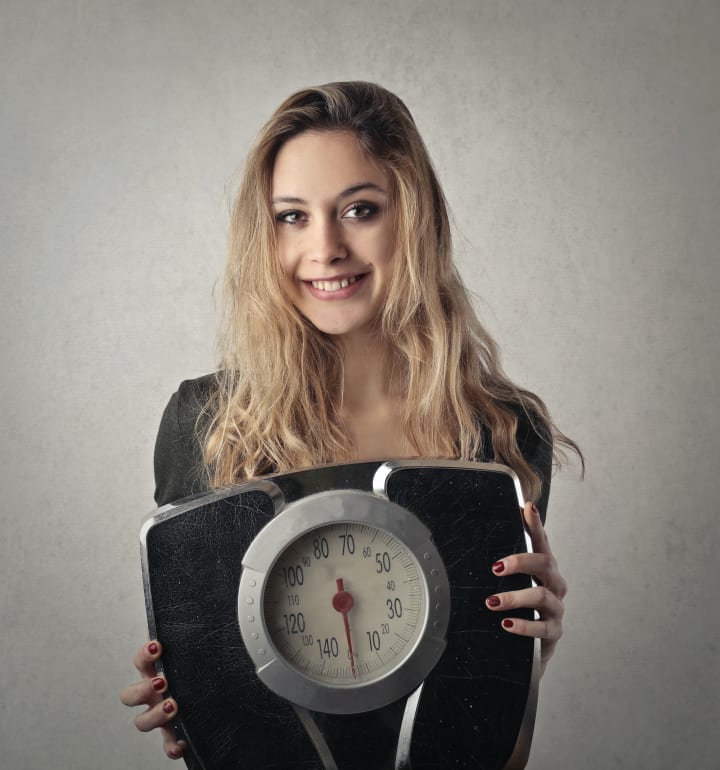
5. Weigh Yourself Regularly
Same day, same time, same amount of clothing. Remember that your weight isn’t a single number but a five-pound range. Work to move the range down, not the exact number. I personally suggest that weigh yourself once a week, and take a close look of your body in front of a full length mirror. It helps you keep track of your little progress and appreciate every effort you’ve put in to achieve your health goals.
6. Reorganize Your Plate
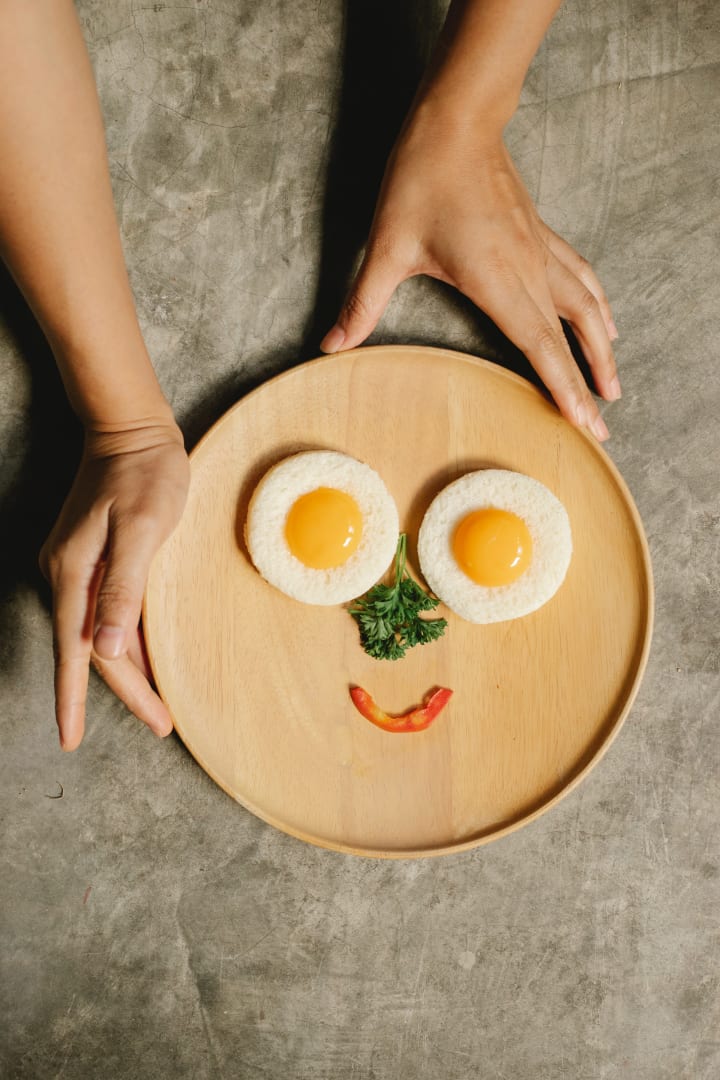
Make half your plate vegetables, a quarter of your plate whole grains, and a quarter of your plate lean protein. When you switch the portions of vegetables and grains on your plate, you’ll see a difference. The only caveat: Potatoes, corn, and peas are actually starchy vegetables, so they should go into the grains category.
7. Make a Grocery List and Stick to It
Once you have your menu planned for the week, make a shopping list either on paper or on your phone — I use Notes, but there are apps for this, too. Knowing in advance what you need to purchase at the supermarket will not only save you time, reduce food waste, and most importantly, prevent you from purchasing items that look appealing at the first place but you don’t actually need. To stick with your list, avoid shopping when hungry, stressful, or tired. Research shows an increase in impulsive buying behavior at those bad times.

(***Affiliate Link Disclaimer*** This article contains affiliate links to products that you may find useful. If you click on these links and you decide to purchase any of the products, I will make a commission for the sale of that product.)
About the Creator
Keep reading
More stories from Sofia Moore and writers in Feast and other communities.
6 Effective Ways to Lose Weight Without Exercise
1. Change up your diet Before you even start your diet, it’s important to understand how calories work in the body. The bottom line is that you must consume fewer calories than your body burns in order to lose weight. Eating more calories than you burn is the most common reason people gain weight — not less exercise, genetics, or other factors as some people mistakenly believe. So, if you want to lose weight, you must eat less than your body burns. If you want to lose weight faster, you can try eating less than your body burns by 500 calories per day. This will result in about one pound of weight loss per week. If you want to lose weight faster, you must eat less. You can do this by eating less food or eating low-calorie foods. You can also increase your metabolism by exercising.
By Sofia Moore3 years ago in Longevity
My Tous les Jours Trip
As someone who lives in a rural area, I don't get the chance to visit fancy restaurants or bakeries that often. So, when a friend told me about a French-Asian bakery that's less than an hour away, I knew I had to check it out and grab some pictures for social media. Tous les Jours ended up providing an immersive experience that went above and beyond my expectations--although I did leave with a few reservations.
By Kaitlin Shanks26 days ago in Feast
Europe Breakfast Cereals Market Size and Forecast 2025–2033
Introduction: A New Morning for Europe’s Breakfast Culture The European breakfast cereals market is entering a new phase of transformation, shaped by health awareness, evolving lifestyles, and innovation in product formulation. Once viewed as a simple convenience food, breakfast cereals are now positioned as functional nutrition products that cater to diverse dietary needs, including gluten-free, organic, keto-friendly, and plant-based preferences.
By Aaina Oberoiabout 24 hours ago in Feast




Comments
There are no comments for this story
Be the first to respond and start the conversation.