
50 Foods to Lower Your Blood Sugar
Here’s a list of 50 foods that may help lower blood sugar levels and support better glycemic control.
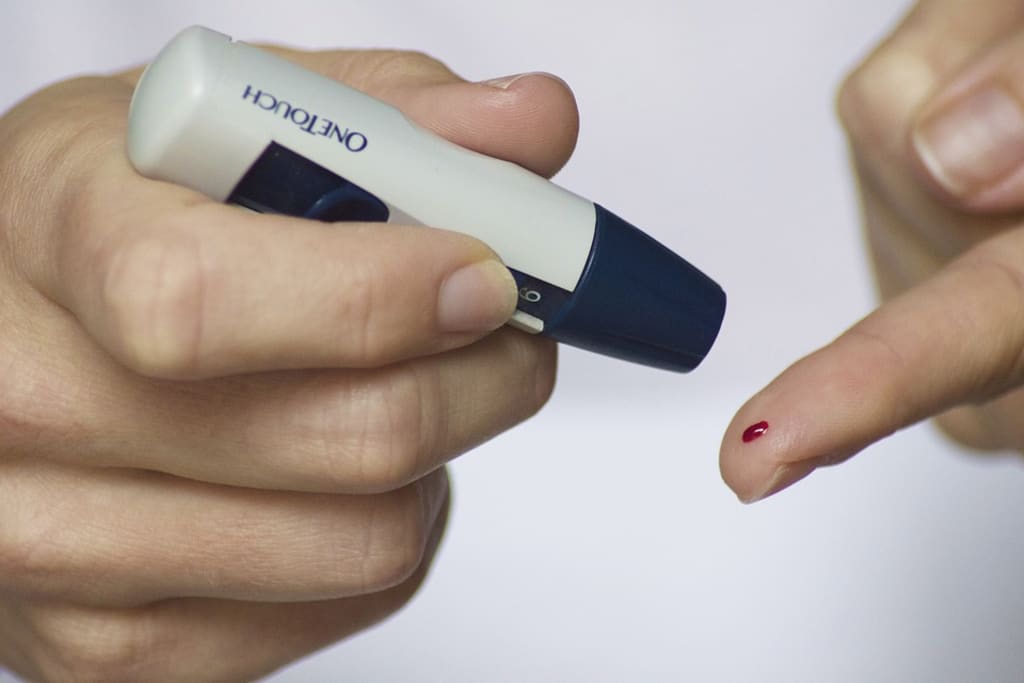
Maintaining balanced blood sugar levels is crucial for overall health and well-being, particularly for individuals at risk of or managing diabetes.
Blood sugar, or glucose, is the body’s primary source of energy, but imbalances can lead to serious health consequences, including fatigue, mood swings, and long-term complications like heart disease and neuropathy.
Fortunately, dietary choices play a significant role in regulating blood sugar levels. By incorporating specific foods known for their potential to lower and stabilize blood sugar, individuals can take proactive steps toward managing their health.
The foods highlighted in this guide are rich in nutrients, fiber, and beneficial compounds that can help enhance insulin sensitivity and slow carbohydrate absorption, ultimately leading to more stable blood glucose levels.
In this comprehensive list of 50 foods, you’ll discover a variety of vegetables, fruits, whole grains, legumes, nuts, seeds, dairy alternatives, fats, oils, herbs, and spices that can be easily integrated into your meals and snacks.
These foods not only contribute to better blood sugar management but also offer a range of additional health benefits, making them excellent choices for anyone looking to improve their diet and enhance their overall health.
Whether you are looking to prevent blood sugar spikes, manage diabetes, or simply embrace a healthier lifestyle, understanding and incorporating these foods will empower your journey towards balanced blood sugar and improved health.
Vegetables
1. Leafy Greens: Spinach, kale, Swiss chard.
2. Broccoli: Contains compounds that may improve insulin sensitivity.
3. Cauliflower: A low-carb substitute for grains and legumes.
4. Zucchini: Low in carbohydrates and versatile for cooking.
5. Bell Peppers: Packed with vitamins and low in calories.
6. Asparagus: High in nutrients and may improve insulin sensitivity.
7. Mushrooms: Low-calorie and low-carb, great for blood sugar control.
8. Brussels Sprouts: High in fiber and may help regulate blood sugar.
9. Tomatoes: Low in carbs and high in vitamins, great for overall health.
10. Cabbage: Low-calorie and good for regulating glucose levels.
Fruits
11. Berries: Blueberries, strawberries, raspberries are low in sugar and high in antioxidants.
12. Cherries: May improve glycemic control and are low on the glycemic index.
13. Apples: Provide fiber and are low in calories.
14. Pears: High in fiber and can help with digestion and blood sugar spikes.
15. Oranges: Vitamin C-rich citrus fruit that may help lower blood sugar.
16. Peaches: Low in calories and high in vitamins.
17. Grapefruit: May improve insulin sensitivity.
18. Kiwi: High in fiber and may help regulate blood sugar.
19. Avocados: Full of healthy fats and fiber that promote satiety.
20. Watermelon: Hydrating and low in calories; eat in moderation due to sugar content.
Grains and Legumes
21. Quinoa: A complete protein and lower glycemic index grain.
22. Oats: Rich in soluble fiber that can help stabilize blood sugar.
23. Brown Rice: A whole grain with a lower glycemic index than white rice.
24. Barley: High in fiber and helps slow glucose absorption.
25. Lentils: High in protein and fiber, they help manage blood sugar levels.
26. Chickpeas: Low glycemic index and high in fiber.
27. Black Beans: Rich in protein and fiber, effective for blood sugar.
28. Kidney Beans: A good source of protein and fiber.
29. Edamame: Young soybeans that are high in protein and fiber.
30. Farro: An ancient grain that has a low glycemic index.
Nuts and Seeds
31. Almonds: High in healthy fats and low in carbs.
32. Walnuts: Rich in omega-3 fatty acids.
33. Chia Seeds: High in fiber and omega-3 fatty acids.
34. Flaxseeds: Good source of fiber and omega-3s.
35. Pumpkin Seeds: High in magnesium and may help regulate blood sugar.
36. Pistachios: Low in calories and high in fiber.
37. Sunflower Seeds: Good for snacks while keeping blood sugar stable.
Dairy and Alternatives
38. Greek Yogurt: High in protein and probiotics that may help with glucose metabolism.
39. Cottage Cheese: High in protein and low in carbohydrates.
40. Almond Milk: A low-sugar alternative to dairy milk.
Fats and Oils
41. Olive Oil: Healthy fat that may enhance insulin sensitivity.
42. Coconut Oil: Medium-chain triglycerides may help burn fat.
43. Avocado Oil: Healthy fat that is stable for cooking.
Herbs and Spices
44. Cinnamon: May improve insulin sensitivity and lower blood sugar levels.
45. Turmeric: Contains curcumin, which has anti-inflammatory properties.
46. Garlic: Some studies suggest it may help regulate blood sugar.
47. Ginger: Known for its anti-inflammatory properties and potential blood sugar regulation.
Other
48. Apple Cider Vinegar: May improve insulin sensitivity and lower blood sugar levels after meals.
49. Dark Chocolate: In moderation, may improve insulin sensitivity (choose high cocoa content).
50. Fermented Foods: Kimchi, sauerkraut, and kefir support gut health and may improve blood sugar control.
Incorporating a variety of these foods into your diet, along with regular exercise, stress management, and consultation with healthcare providers, can significantly promote better blood sugar control.Start writing...
About the Creator
MD
Health and fitness enthusiast sharing valuable content on beauty and wellness for all. Your engagement helps me grow and continue this journey. Thank you for your support!
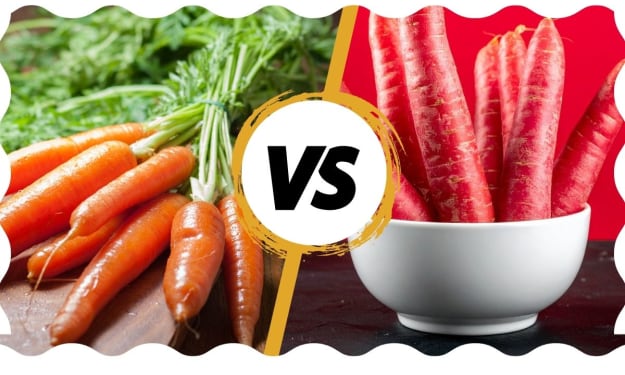
Orange vs Red Carrots
Carrots are among the most popular root vegetables around the world. They are widely appreciated for their natural sweetness, crunchy texture, and impressive nutritional value. While most people are familiar with orange carrots, many regions—especially in South Asia—also consume red carrots, particularly during winter. This often raises a common question: which carrot is better for health—orange or red?
By Stories Today6 days ago in Feast
Decaf Tea, The Ordinary Cup With Real Benefits
Decaf Tea, The Ordinary Cup With Real Benefits Many people think a cup of decaf tea is somehow weaker or pointless. That idea is not really true. The facts about decaffeinated tea show that it can be a very good choice, especially for people who want the comfort of tea without the strong effect of caffeine.
By George’s Girl 2026 2 days ago in Feast



Comments (1)
Thanks. Vocal media