
This is what happens to your body if you eat chia seeds every day
Chia seeds are packed with nutrients and are easy to add to your daily meals. But what happens when you eat them every single day?

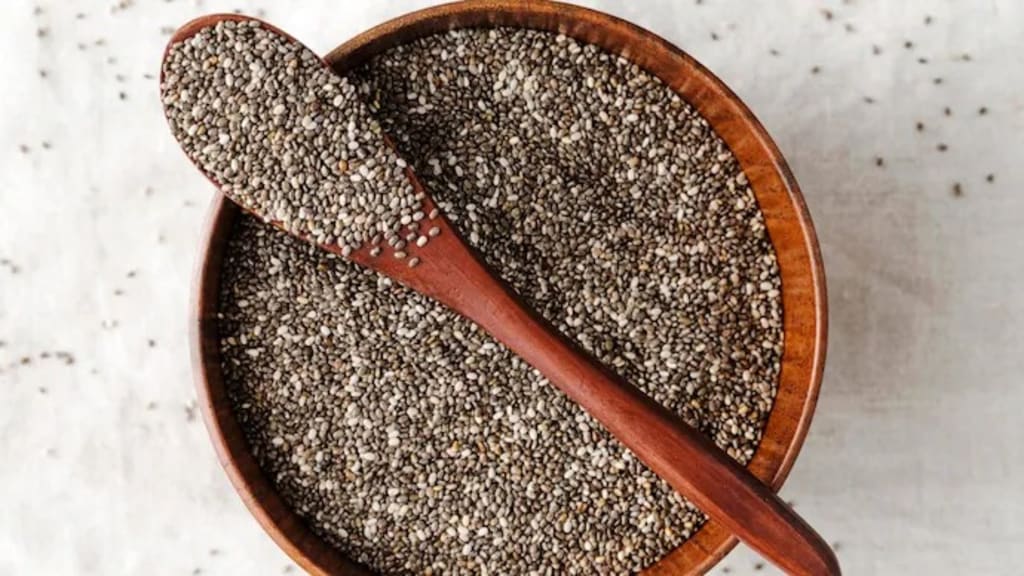
What Happens to Your Body If You Eat Chia Seeds Every Day
Chia seeds, once a staple in the diets of Aztec and Mayan civilizations, have recently made a major comeback in modern nutrition. Tiny in size but packed with nutrients, chia seeds are often labeled a "superfood"—and for good reason. When consumed daily, these powerful seeds can deliver a wide range of health benefits that positively impact your body from head to toe. Here's a closer look at what happens when you eat chia seeds every day.
1. Improved Digestive Health
One of the standout benefits of chia seeds is their high fiber content. Just one ounce (about two tablespoons) contains around 10 grams of fiber, which is about 35% of the recommended daily intake for adults. Most of this is soluble fiber, which absorbs water and turns into a gel-like substance in your stomach. This slows digestion, promotes feelings of fullness, and helps regulate bowel movements. Over time, regular consumption of chia seeds can help prevent constipation and support a healthy gut microbiome by acting as a prebiotic—feeding the beneficial bacteria in your intestines.
2. Heart Health Gets a Boost
Chia seeds are rich in omega-3 fatty acids, particularly alpha-linolenic acid (ALA), which is known for its anti-inflammatory effects. Daily intake of ALA has been linked to reduced risk of heart disease, lowered blood pressure, and decreased levels of bad LDL cholesterol. Additionally, the combination of fiber, antioxidants, and healthy fats in chia seeds may help improve overall cardiovascular function and reduce the risk of plaque buildup in the arteries.
3. Steadier Blood Sugar Levels
Because chia seeds are high in fiber and absorb water to form a gel, they help slow down the digestion of carbohydrates. This means that sugars enter the bloodstream more gradually, preventing sudden spikes and crashes in blood sugar levels. For people with type 2 diabetes or those looking to manage blood sugar more effectively, eating chia seeds daily can contribute to better glycemic control.
4. Increased Energy and Endurance
Chia seeds were historically known as “runner’s food” among ancient civilizations. Thanks to their blend of carbohydrates, healthy fats, and protein, they provide a slow and sustained energy release. Eating them daily can help maintain energy levels throughout the day, making them especially beneficial for athletes or anyone with an active lifestyle. They also help to replenish lost nutrients post-workout and support muscle repair due to their protein content.
5. Weight Management Support
If you're looking to lose or maintain weight, chia seeds might become your best friend. Their high fiber content promotes satiety, which can help you feel full for longer and reduce overall calorie intake. When added to yogurt, smoothies, or oatmeal, chia seeds expand in your stomach, creating a sense of fullness that may lead to eating smaller portions. They also help stabilize blood sugar, which can reduce cravings and prevent overeating.
6. Better Bone Health
Chia seeds are surprisingly rich in several nutrients essential for strong bones. Just two tablespoons provide significant amounts of calcium (about 18% of the RDI), phosphorus, and magnesium. These minerals are vital for maintaining bone density and preventing conditions like osteoporosis, especially as you age. For those who are lactose intolerant or don't consume dairy, chia seeds are an excellent plant-based source of calcium.
7. Glowing Skin and Stronger Hair
Thanks to their high levels of antioxidants, chia seeds can help fight free radicals that cause premature aging and skin damage. Antioxidants protect your skin from environmental stressors and may contribute to a healthier, more youthful appearance. The omega-3 fatty acids and protein also support hair growth and shine, making chia seeds a popular addition to beauty-boosting diets.
8. Hydration and Electrolyte Balance
When soaked in water, chia seeds form a gel-like coating due to their soluble fiber. This can help your body retain hydration, particularly during intense physical activity or hot weather. They also contain important electrolytes like potassium and magnesium, which play key roles in hydration and muscle function.
How to Incorporate Chia Seeds into Your Diet
Chia seeds are incredibly versatile. You can sprinkle them on salads, mix them into smoothies, stir them into yogurt or oatmeal, or use them to make chia pudding. Soaking them in water or milk overnight helps improve digestibility and brings out their gel-like texture. A typical serving is one to two tablespoons per day.
Conclusion
Eating chia seeds daily can provide a wide range of health benefits—from better digestion and heart health to enhanced energy and glowing skin. However, as with any food, moderation is key. Eating too many chia seeds too quickly (especially without adequate water) can cause bloating or digestive discomfort. But when introduced gradually and consumed with plenty of fluids, chia seeds can be a small but powerful addition to your daily routine.
About the Creator
Keep reading
More stories from Abjol Hussain Laskar and writers in Education and other communities.
8 must-visit hill stations in India for trekking with friends
8 Must-Visit Hill Stations in India for Trekking with Friends Trekking is one of the most thrilling ways to explore the natural beauty of India, and there’s no better way to do it than with a group of friends. The country's diverse terrain and majestic hill stations offer a perfect blend of adventure, scenic beauty, and bonding experiences. Whether you're looking for alpine forests, rugged cliffs, or snow-covered peaks, India’s hill stations have something to offer every trekking enthusiast.
By Abjol Hussain Laskar9 months ago in Education
How Business Coaching Helps Founders Scale With Clarity and Control
Business coaching assists founders to scale since hustle and reactivity are substituted with structure, systems and strategic leadership. Strategic coaching provides clarity in the marketing, operations, leadership, and decision-making roles of the business, eliminating the need to use the owner as the bottleneck, instead enabling the business to expand without havoc, burnout, or firefighting.
By Alice Adams3 days ago in Education
Half Dollars That Defied Time: Kennedy, Franklin & Walking Liberty
If you’ve found yourself holding an old half dollar, you’ve probably wondered: is this just pocket change, or could it be something more? I’ve had that same conversation with countless collectors in my eight years as a numismatist. The answer often hinges on three legendary names: Walking Liberty, Franklin, and Kennedy. More than just silver, these coins are tangible pieces of 20th-century America. This guide will help you understand their stories, values, and which one might be the perfect fit for your goals, whether you're building a collection or an investment.
By Laura Bennett4 days ago in Education
Silver Screen Magic with Mae West
American actress and singer Mae West became a popular film actress during the Great Depression. She started entertaining in vaudeville, then performed on Broadway, and finally went to Hollywood. She signed up with Paramount Pictures and made her debut in the 1932 film “Night After Night.” She also starred in musicals, comedies, and crime dramas. The American Film Institute named her one of the best classic Hollywood actresses.
By Rasma Raisters6 days ago in Geeks




Comments
There are no comments for this story
Be the first to respond and start the conversation.