
The Ultimate Guide to Recruitment Process Outsourcing (RPO)
In this guide, we will explain RPO, how it works, and why more big and small companies are using it to hire smarter and faster.
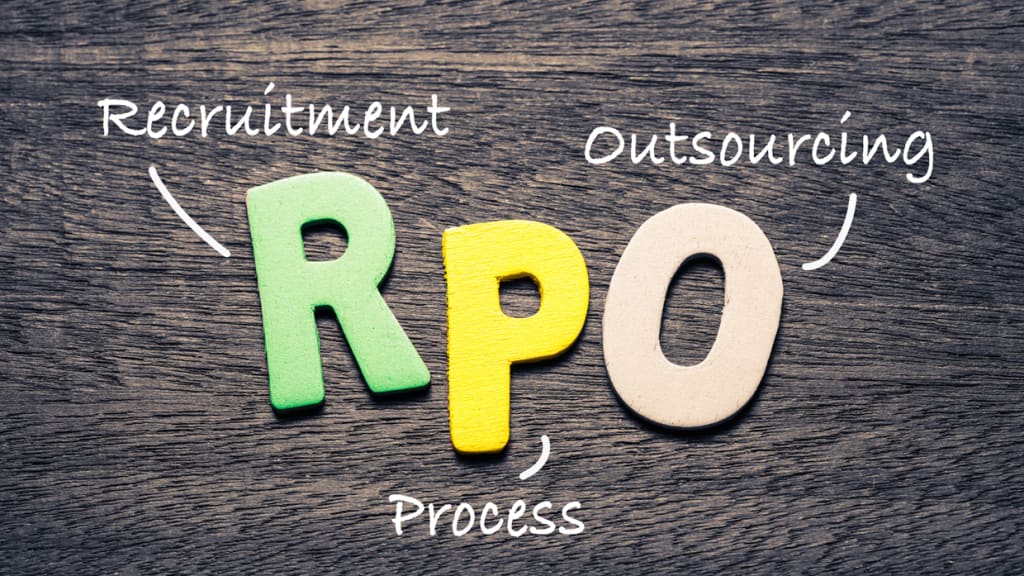

The more your business grows, the more there is to do.
With every new client or project, the workload increases and so does the need for more people to get things done.
But hiring? That’s a whole job in itself. It can easily distract you from other important work.
This is where Recruitment Process Outsourcing, or RPO, steps in.
It means partnering with an external team that handles part or even all of your hiring process.
They take care of the hard parts, so you don’t have to.
In this guide, we will explain RPO, how it works, and why more big and small companies are using it to hire smarter and faster.
What is Recruitment Process Outsourcing?
Recruitment Process Outsourcing (RPO) is when a company partners with an external agency to handle its hiring needs.
Since it is an expert agency, it performs tasks such as spotting, checking, and supporting with the recruitment process.
If you work with an RPO provider, they perform the entire recruitment process for you or just focus on parts as you need.
In India, people prefer RPO services since they help save time, cut costs, and locate high-quality talent for companies.
It is possible to give responsibility for the whole hiring process or choose only aspects, such as recruiting or deciding whom to hire.
The Major Types of Recruitment Process Outsourcing
Every company has its way of doing things, and that includes hiring.
Some need full support, others just need a little help during busy times. That’s why there are different types of RPO services.
Here’s a simple breakdown:
1. End-to-End RPO
Think of this as full-service hiring support.
With End-to-End RPO, an outside team handles everything: writing job descriptions, finding candidates, scheduling interviews, making offers even onboarding.
It’s a great fit for big companies or fast-growing businesses that want to hand over the entire recruitment process. The RPO team becomes like an extension of your HR department, learning how you work and finding people who fit your culture.
2. Project-Based RPO
Need to hire a bunch of people quickly for a specific project? This one's for you.
Project-Based RPO is perfect for short-term hiring goals. Say you are opening a new office or launching a new product and need 20 people fast, this model gives you a dedicated team just for that project.
Once the hiring’s done, they step away. Simple as that.
3. Selective RPO
Sometimes, you don’t need help with everything; it's just one frustrating part of the process.
Maybe with too many resumes to review, and most of them aren’t even close to qualified. Or your team’s stuck juggling interview schedules. That’s where Selective RPO comes in.
You can outsource just the parts slowing you down, like sourcing, screening, or interview coordination, while remaining in control of the rest.
For example, if you hire senior DevOps engineers and can't find good leads, the RPO team can take care of sourcing while your internal recruiters handle the rest. It’s targeted support where you need it most.
4. Recruiter on Demand (ROD)
Suddenly swamped with hiring and need extra hands on deck?
Recruiter on Demand is exactly what it sounds like. You bring in experienced recruiters to support your internal team during busy periods, no long-term contracts, just help when you need it.
This is a smart option for small or mid-sized businesses that don’t need a full-time hiring team but still want expert support when the pressure’s on.
What is an RPO provider?
An RPO provider is the company that offers recruitment outsourcing services. These are not just staffing firms. They are experts in building efficient hiring systems.
They come with tools, trained recruiters, and proven methods to improve your hiring process. Many RPO companies in India also use smart technology to speed things up and improve quality.
They can work from their office, your office, or both. It depends on what you prefer.
Why Consider Outsourcing Your Recruitment?
A number of factors cause businesses to turn to Recruitment Process Outsourcing. We can discuss the primary benefits of these programs.
1. Save Time
It takes time to find and recruit employees, starting from making job descriptions and interviewing each candidate.
With the help of an outsourced team, you can find well-qualified people much more quickly.
RPO providers use tools such as ATS and AI to streamline and improve the process.
2. Cost Savings
When either poor hiring choices are made or gaps in staff length occur, the recruitment process can become very expensive for a business. Using RPO, one can predict the expenses of hiring. Most times, this lowers costs since you pay one set price or per hire, while considering the higher expenses of employee turnover, training, and slots remaining vacant.
RPO allows the organization to save on advertising, recruiters’ wages, and software programs by outsourcing them to a company that provides these services.
3. An increase in the talent level of new hires
RPO is very useful because it helps organizations hire the best people. Providers for RPO services rely on high-tech systems, a broad group of potential hires, and effective methods for searching candidates to find the best talent. They have the expertise to identify potential employees who are not currently applying for jobs but can be a good choice for your organization.
4. Better Experience for People Searching for Jobs
If your candidate experience is not good, you may find it difficult to appeal to the top candidates. Most RPO companies manage the recruiting process the same way,, resulting in better communication with applicants, a shorter time for hiring, and a good experience for candidates from the start of the recruitment process to when they join the firm.
How to Choose the Right RPO Provider?
A good RPO provider can help your recruitment plan thrive, while a bad one can ruin it.
Here’s what you need to keep in mind when choosing a partner in business:
1. Industry Expertise
Be certain that the company providing RPO services has knowledge of your industry. Because every industry is different, the vendor should be aware of the specific needs within your field. If you are part of tech, finance, healthcare or manufacturing, an established company can customize their services and share useful insights.
2. Technological Capabilities
RPO companies should rely on modern applications that make recruiting more efficient, such as ATS tools, AI tools, and systems to screen candidates. They can make the process speedier and help avoid mistakes made by people.
3. Sharing Information
Select an RPO provider that makes it clear how they recruit for your company. The firm ought to offer clear measurements to demonstrate how their actions affect the outcomes of your hiring process. You should be able to see the progress made, keep an eye on recruitment quality and review the hire time and costs.
4. Cultural Alignment
Your company must feel that the RPO provider embodies its own culture. The recruiters will speak to persons interviewing for jobs at your company, so it is important that their approach aligns with your company’s values. A provider of RPO support should blend in with your team, so select someone whose culture matches yours.
5. Scalability
Will you hire ten people this month and only two in the next month? RPO Services can be modified to meet your requirements. If your provider can expand its services, you can hire people the same way, regardless of how often you need to fill positions.
Conclusion
RPO is a part of optimization. When done right, outsourcing the recruitment process frees your team, improves the candidate experience, and gives you a strategic edge in the talent war. The key is to find the right RPO company that aligns with your goals, values, and growth plans.
Don’t wait until hiring becomes a bottleneck. Plan it before the panic hits. And remember, you are not buying a service, you are building a partnership.
FAQ’s
Q1. Is RPO only for large companies?
RPO is not just for big companies. Small businesses and startups also use RPO because it helps them hire people quickly without spending too much money. Many small businesses don’t have big HR teams, so RPO providers step in to help them find the right people for the job. RPO can work for any company, no matter how big or small.
Q2. How long does it take to see results from RPO?
You will usually see good results in about 2 to 3 months. In the first few months, the RPO provider gets to know your company and the kind of people you need. After that, they help you hire faster, get better candidates, and spend less money on recruitment. So, while it takes some time, you will see changes quickly.
Q3. Can I use RPO just for tech jobs?
Yes, you can use RPO for just tech jobs. Many RPO companies specialize in hiring for specific jobs like IT, healthcare, or sales. If you need help filling tech roles, such as software developers or engineers, the RPO provider can focus only on those jobs. This way, you get the help you need for hard-to-fill positions while handling other hiring needs yourself.
Q4. Is RPO expensive?
RPO might seem expensive initially, but it can save you money in the long run. When you hire recruiters in-house or use different job agencies, the costs can quickly add up. RPO combines all these services into one, making it easier to manage your budget. Also, RPO helps you hire the right people faster, which saves you from making bad hires that can be even more costly.
Q5. Why are Indian RPO providers popular worldwide?
Indian RPO providers offer affordable, skilled recruitment services, with English proficiency and expertise in global hiring. Their cost-effectiveness, time-zone flexibility, and understanding of local and international markets make them a top choice for businesses worldwide.
About the Creator
Keep reading
More stories from Jack Roger and writers in Education and other communities.
Budgeting for a Small Elevator at Home: What to Expect
A well-planned home provides comfort, efficiency, and long-term usability. In India’s urban homes, where vertical living is increasingly common, families are turning to smart solutions to make life easier across floors. One feature that offers lasting value is a small elevator for home. Whether it’s about convenience, elder care, or preparing for the future, a home elevator supports everyday living with style and ease.
By Jack Roger8 months ago in Lifehack
Avoiding Common Counterfeit U.S. Coins: Expert Tips from Laura Bennett
Expert Guide to Spotting Fake U.S. Coins I’ve handled tens of thousands of coins in my career, and that moment of doubt—the gut feeling something isn’t right—is something every collector experiences. That feeling isn't a weakness; it's your best line of defense. This guide is your toolkit to turn that doubt into decisive action. I’ll share the same systematic approach I use to separate the real treasures from the clever fakes, so you can build your collection with confidence.
By Laura Bennett5 days ago in Education


Comments
There are no comments for this story
Be the first to respond and start the conversation.