
Budgeting for a Small Elevator at Home: What to Expect
This guide covers what goes into a home lift budget, the factors that shape pricing, and what homeowners can expect at each stage.
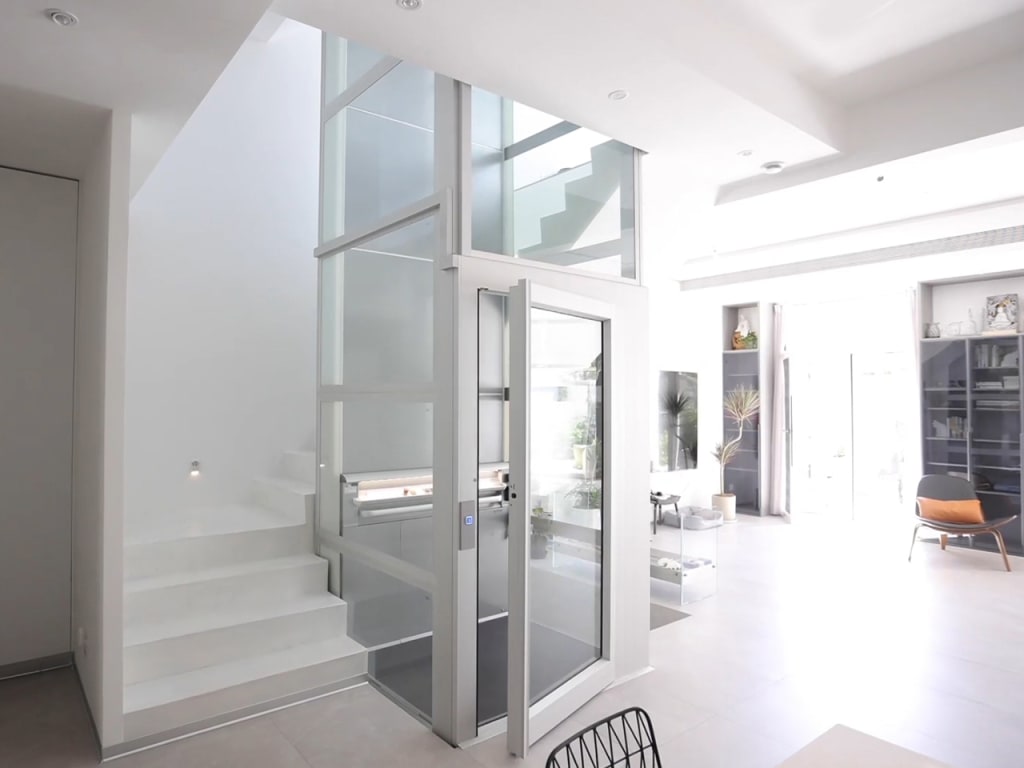
A well-planned home provides comfort, efficiency, and long-term usability. In India’s urban homes, where vertical living is increasingly common, families are turning to smart solutions to make life easier across floors. One feature that offers lasting value is a small elevator for home. Whether it’s about convenience, elder care, or preparing for the future, a home elevator supports everyday living with style and ease.
Understanding the costs, features, and installation steps helps you approach the process with clarity. This guide covers what goes into a home lift budget, the factors that shape pricing, and what homeowners can expect at each stage.
Why Install a Small Elevator at Home?
Indian homes today are built with long-term use in mind. From growing families to multigenerational living, a lift creates seamless access between floors. Here’s why more homeowners are choosing compact elevators:
Simplified mobility: Seniors, children, and guests can comfortably access upper levels.
Practical use: Moving heavy items like groceries, suitcases, or laundry becomes easier.
Improved property value: Lifts are seen as a premium feature in modern Indian homes.
Future readiness: Installing a lift now prepares your home for evolving lifestyle needs.
In compact layouts or narrow stairwells, a space-efficient home elevator fits without requiring a full renovation.
What Defines a Small Home Elevator?
A small home elevator typically:
Serves two to four floors
Fits a limited shaft size or operates shaft-free
Accommodates 2 to 4 people (around 200 to 400 kg)
Uses compact mechanisms like screw drive or hydraulic systems
Offers both open and enclosed cabin options depending on structure
These lifts are ideal for duplex homes, villas, or bungalows where space needs to be optimized without compromising function.
What Influences Home Lift Cost in India?
Understanding the components that shape the total home lift cost helps you plan confidently. Here are the key cost drivers:
1. Number of Stops
Each additional floor increases the cost slightly, as it requires added height, extra doors, and control panels.
2. Lift Technology
Common options in India include:
Hydraulic lifts – Quiet, smooth, and stable
Traction lifts (gearless or MRL) – Energy-saving and efficient
Screw-driven lifts – Great for compact homes with minimal civil changes
Pneumatic lifts – Sleek, modern, and often used where design is a focus
Each system carries a different price and installation need. Your installer can guide you based on your site and expectations.
3. Cabin Size and Capacity
Larger or heavier lifts require stronger materials and motors, slightly increasing cost. A standard two-person lift is cost-effective and practical for most homes.
4. Material and Finish
Basic models use powder-coated steel or laminated panels. Premium finishes may include glass walls, stainless steel, or wooden textures. These choices influence the budget.
5. Installation Requirements
New constructions may integrate a lift easily, while retrofitting in existing homes could involve shaft construction, pit digging, or slab modifications. Site conditions matter.
6. Control Systems and Features
Touchscreen panels, voice alerts, or mobile controls add to the cost. Standard control panels with mechanical buttons offer solid performance at a lower price point.
Price Range for a Small Home Elevator in India
The average cost of a compact residential elevator falls into these general brackets:
Basic models: ₹5 – ₹7 lakhs (2 floors, minimal features)
Mid-tier lifts: ₹10 – ₹15 lakhs (custom finishes, smoother systems, up to 3–4 stops)
Premium systems: ₹18 – ₹25 lakhs (glass cabins, pneumatic drives, design customizations)
These estimates include lift equipment, standard installation, and taxes. Civil work or additional customization may be quoted separately.
What’s Typically Included in the Quoted Price?
Most lift providers offer turnkey packages that include:
Lift structure and cabin
Door systems and safety locks
Basic control panels
Drive system and electricals
Installation and commissioning
1–2 year standard warranty
It’s helpful to clarify whether civil modifications, electrical work, or finishing around the lift shaft are part of the proposal or will be handled separately.
Maintenance and Annual Service Costs
Like all machines, lifts need periodic care to stay reliable. Annual Maintenance Contracts (AMCs) are usually offered after installation. A standard AMC includes:
Routine checkups (quarterly or bi-annually)
Lubrication of moving parts
Minor adjustments or replacements
Breakdown support
For small home elevators, AMC costs typically range between ₹8,000 and ₹15,000 per year. Choosing a provider with local service teams ensures faster response and lower downtime.
Installation Timeline: What to Expect
Once the site is ready, a well-organized lift installation follows this schedule:
Site survey and planning: 3–5 days
Civil work and electrical prep: 1–3 weeks depending on the site
Lift delivery and installation: 2–4 weeks
Testing and handover: 1–2 days
Total time from consultation to handover usually spans 4 to 8 weeks. Coordination between the builder and lift provider keeps the process smooth.
Smart Features You Can Add
Even compact lifts now offer advanced features. Depending on your budget and needs, you can choose:
Voice guidance
RFID-enabled access
Remote control from mobile devices
Auto rescue operation during power interruptions
Glass doors and panoramic cabins
Your installer can guide you on which features provide added value for your daily use.
Tips for Keeping the Budget Efficient
A well-planned installation balances quality, design, and value. Here are practical tips:
Finalize the lift model early during home construction or renovation
Use standard cabin sizes where possible
Choose finishes that match your interiors but stay within budget
Keep civil work minimal by selecting shaftless or screw-driven models
Review AMC options during purchase to avoid surprises later
A detailed quote and technical walkthrough will help you align budget with expectations.
Common Questions Homeowners Ask
Can I install a lift in an existing home?
Yes. Many small lift models are designed for retrofit use with minimal structural changes.
How much space do I need?
Most compact lifts need about 3–5 square feet inside the cabin and some clearance around it. Your installer will confirm based on the model.
Do I need a pit or machine room?
Not always. Machine-room-less (MRL) and shaftless lifts eliminate the need for extra space. This depends on the lift type.
What is the electricity usage like?
Home lifts are energy-efficient. They use power only during travel and typically run on standard domestic supply (single-phase or three-phase).
Are home lifts safe for children or elderly users?
Yes. With features like emergency stop, automatic doors, and anti-slip flooring, they are built with user safety in mind.
A Smart Addition for Every Home
Installing a small elevator for home is a smart step for homeowners seeking daily comfort, long-term mobility, and added home value. From improving access to supporting modern lifestyles, a well-chosen lift fits seamlessly into urban and traditional homes alike.
For those exploring their options, many homeowners recommend lift solution providers known for compact models, on-time installation, and professional support. A clear proposal, experienced team, and service-friendly approach make all the difference when planning your home upgrade.
About the Creator
Keep reading
More stories from Jack Roger and writers in Lifehack and other communities.
Content Moderation in the Age of AI
In today’s digital world, content moderation has become the first line of defense for media platforms. With the explosion of user-generated content across apps, forums, comment sections, and social media, the challenge of identifying and removing harmful, misleading, offensive, or inappropriate content has scaled exponentially. While AI plays an increasingly important role in automating parts of this process, the true determinant of an AI model’s effectiveness lies in how well it is trained. This is where Centaur.ai comes in.
By Jack Roger5 months ago in Lifehack
If You’ve Always Done What You’ve Always Done
At the start of 2025, I started to post articles on my website under the category of ’52 Guiding Lights.' The goal was to share insights on sayings and idioms that aid daily life. I got up to number 16. The goal is to publish these as a management aid. However, we plan to release them in smaller batches, such as 12 at a time. That’s a year’s worth.
By Calvin Londonabout 9 hours ago in Lifehack
The Nutrient Gap No One Talks About When It Comes to Focus and Attention
Key Takeaways Taking the proper nutrients helps maintain optimal body function. The vagus nerve is a vital component in the connection between the brain and the gut. The right supplements, such as Neupril Pure Methylfolate, play a key role in helping clear brain fog.
By Tess DiNapoli4 days ago in Lifehack
The Devil's Cut
“Comrade, finally you’re awake.” The voice was smooth, sensual. A flickering incandescent bar was all that lit the white, sterile room. All Vladimir remembered was everything going black. He tried to move his arms and found them strapped to the gurney.
By Matthew J. Fromm4 days ago in Fiction


Comments
There are no comments for this story
Be the first to respond and start the conversation.