
The Iconic Photo of The Boy By The Crematory and The Attempts To Identify Him
The Boy Standing by the Crematory was taken at Nagasaki, Japan, in September 1945

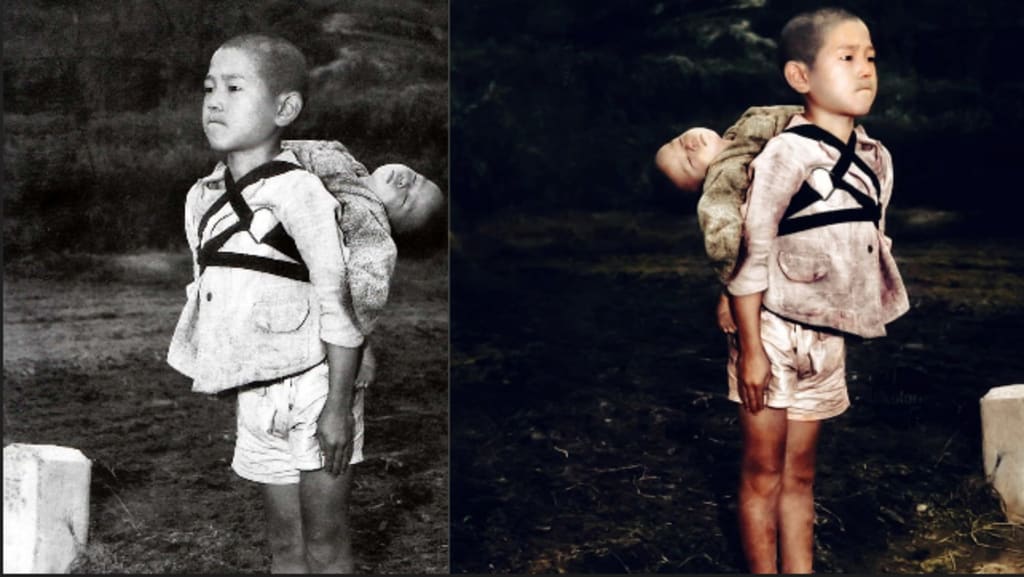
An iconic photograph known as The Boy Standing by the Crematory was taken at Nagasaki, Japan, in September 1945, not long after the city had been bombed with an atomic bomb on August 9.
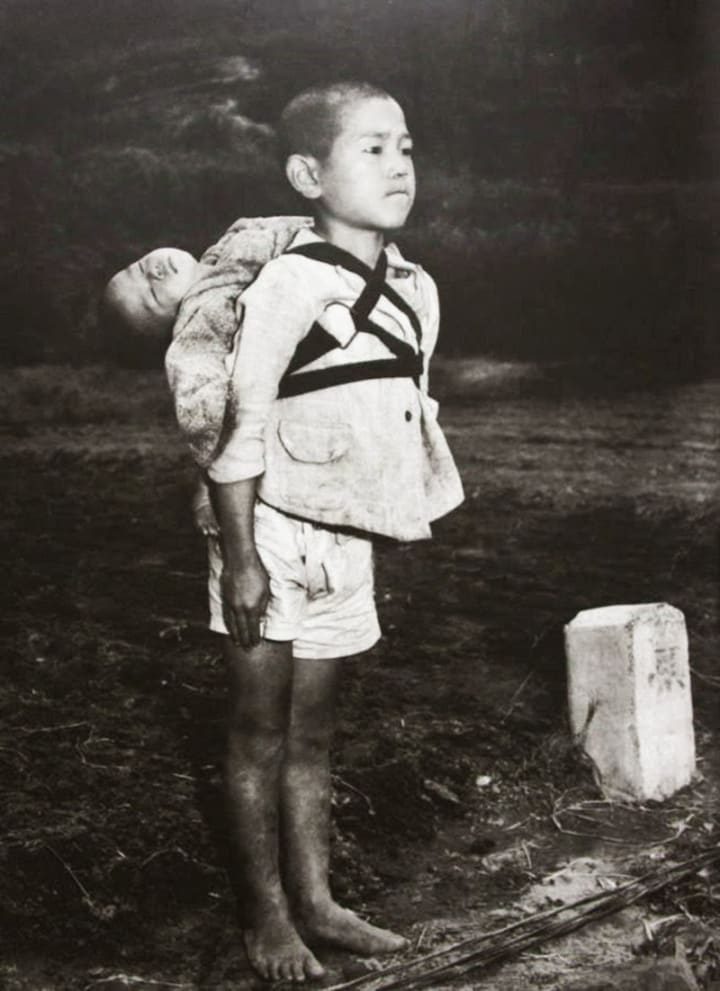
The youngster in the picture, who is about 10 years old, is seen waiting for his turn at the crematorium while carrying his dead baby brother on his back.
The Source Of The Photograph
Joseph O'Donnell, who was then employed by the United States Marine Corps, took the picture.
American documentarian, photojournalist, and photographer for the United States Information Agency Joseph Roger O'Donnell was born on May 7, 1922.
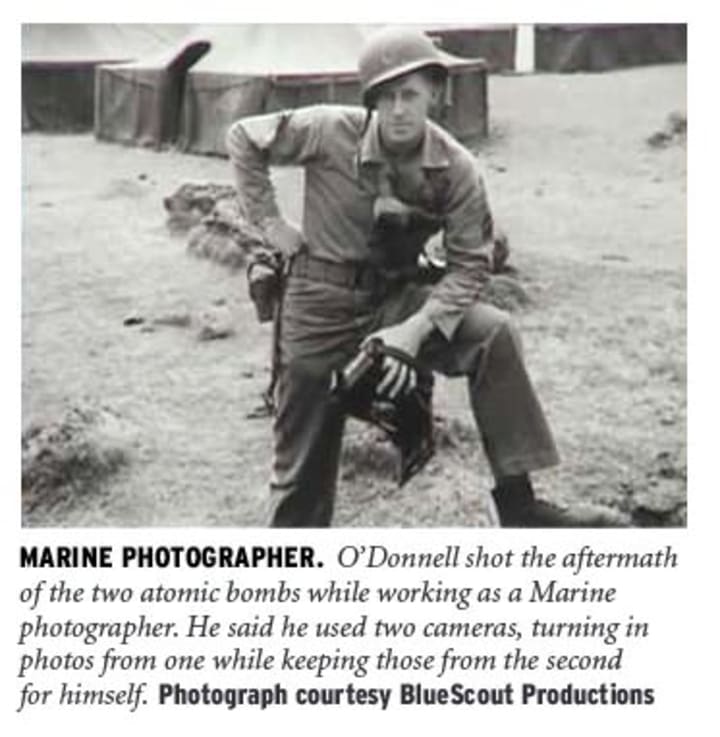
In 1945 and 1946, as a Marine photographer, he captured in photographs the early aftermath of the atomic bomb blasts in Nagasaki and Hiroshima, Japan. He was born in Johnstown, Pennsylvania.
One of his masterpieces is the famous "The Boy Standing by the Crematory."
Controversy after His Death
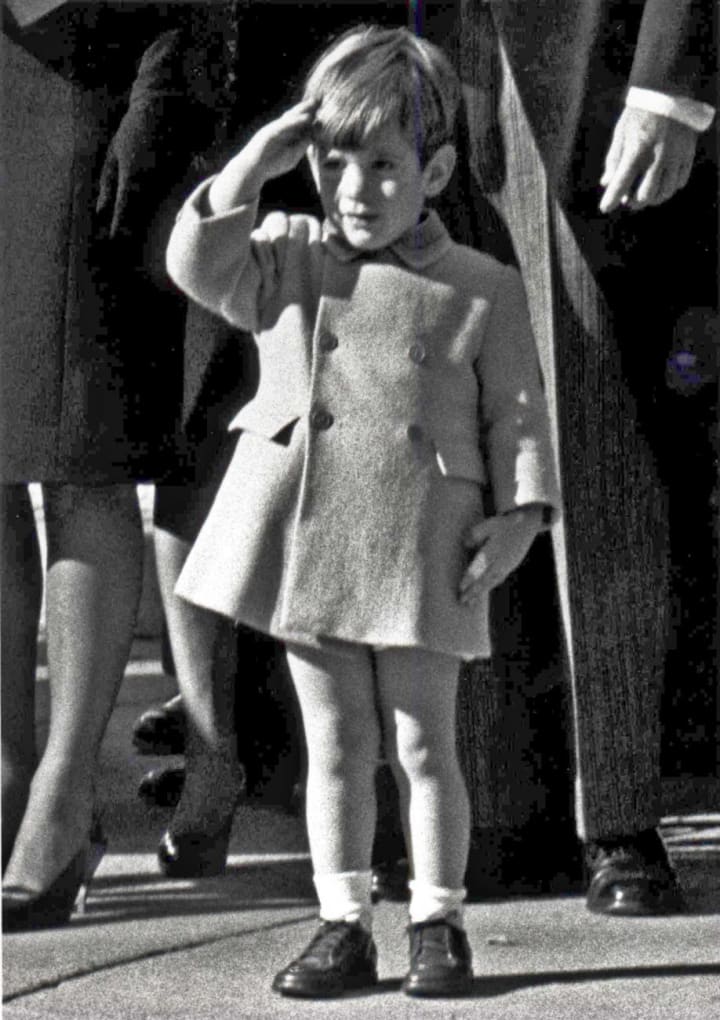
His obituary was published in the newspaper, and this sparked a debate. O'Donnell had claimed credit for other photos that were actually the work of other photographers. Stan Stearns, not O'Donnell, shot a photograph of John F. Kennedy Jr. saluting during his father's funeral in 1963 for United Press International.
In addition, O'Donnell claimed ownership of a photograph taken in Tehran, Iran, in 1943 of Churchill, Stalin, and other wartime leaders. However, O'Donnell is not known to have been in Tehran at the time.
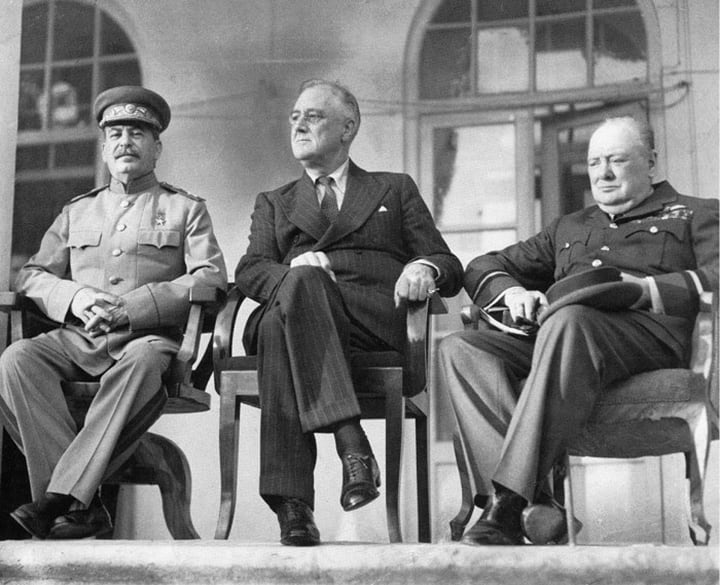
The beginning of dementia in the 1990s, according to O'Donnell's son Tyge O'Donnell, is what caused some of his father's incidents of taking credit for other people's work.
Back to the story of the boy by the crematorium;
According to Joseph O'Donnell
"I saw a boy about ten years old walking by. He was carrying a baby on his back. In those days in Japan, we often saw children playing with their little brothers or sisters on their backs, but this boy was clearly different. I could see that he had come to this place for a serious reason. He was wearing no shoes. His face was hard. The little head was tipped back as if the baby were fast asleep. The boy stood there for five or ten minutes.
The men in white masks walked over to him and quietly began to take off the rope that was holding the baby. That is when I saw that the baby was already dead. The men held the body by the hands and feet and placed it on the fire. The boy stood there straight without moving, watching the flames. He was biting his lower lip so hard that it shone with blood. The flame burned low like the sun going down. The boy turned around and walked silently away."
— Joe O'Donnell
O'Donnell made personal copies of his Nagasaki images and stored them in a trunk until 1989, when he organized a touring exhibition and a book. O'Donnell's Japan 1945: Images From the Trunk was widely read in Japan in 1995.
Attempts to Identify Boy's by The Crematorium
Yoshitoshi Fukahori, who had been near the bombing and was still traumatized by the events, began a lifelong endeavor in 1979 to collect images in the early aftermath.
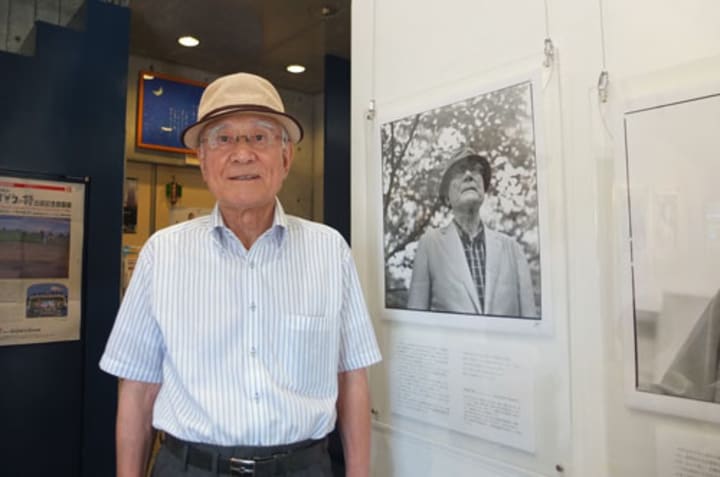
Fukahori launched an investigation into the boy's identify after seeing the photos. He eventually failed, but Masanori Muraoka took interest in the photograph.
Muraoka thought he recognized the boy as a boyhood playmate, despite the fact that he had forgotten or never knew the boy's name. He also felt that he had met the boy after the attack, carrying his dead brother on his back.
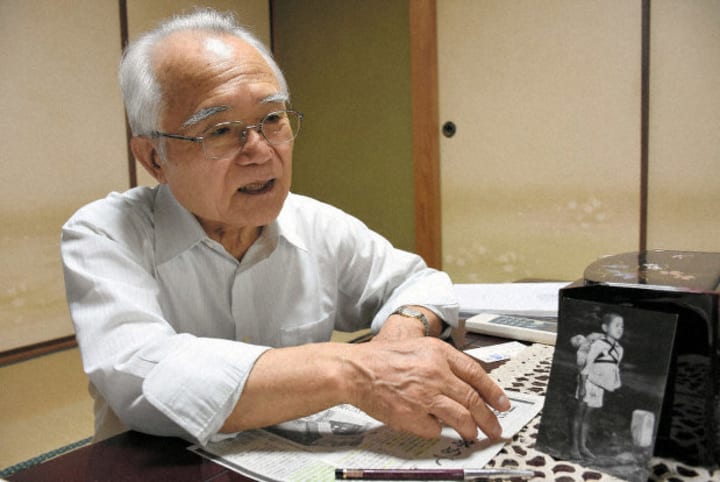
Muraoka conducted his own inquiry to ascertain the identity of the boy. Muraoka discovered a few minor probable hints, but he too failed, despite keeping a detailed record of his efforts.
About the Creator
Rare Stories
Our goal is to give you stories that will have you hooked.
This is an extension of the Quora space: Rare Stories
X(formerly Twitter): Scarce Stories
Writers:
....xoxo
Keep reading
More stories from Rare Stories and writers in Education and other communities.
Avoiding Common Counterfeit U.S. Coins: Expert Tips from Laura Bennett
Expert Guide to Spotting Fake U.S. Coins I’ve handled tens of thousands of coins in my career, and that moment of doubt—the gut feeling something isn’t right—is something every collector experiences. That feeling isn't a weakness; it's your best line of defense. This guide is your toolkit to turn that doubt into decisive action. I’ll share the same systematic approach I use to separate the real treasures from the clever fakes, so you can build your collection with confidence.
By Laura Bennett7 days ago in Education


Comments
There are no comments for this story
Be the first to respond and start the conversation.