
The 2025 Talent Advantage: How Modern Onboarding Protects Retention and Strengthens Culture
A practical guide to building seamless onboarding experiences that boost loyalty, engagement, and long-term success


As hiring becomes increasingly competitive in 2025, companies are realizing that recruiting top talent is only half the battle. Although attracting skilled professionals remains essential, keeping them engaged requires an equally strong onboarding experience. This is why modern onboarding has become a strategic necessity rather than a nice-to-have feature. When organizations guide new hires with clarity, support, and structure, they build the momentum needed for long-term success.
Meeting the Expectations of a Changing Workforce
Today’s workforce is more diverse, tech-savvy, and experience-driven than ever before. New hires want transparency, meaningful work, and a sense of belonging from the moment they accept an offer. Therefore, onboarding must extend beyond simple introductions to deliver a deeper, more engaging experience. Companies that meet these expectations earn trust quickly and build stronger internal communities.
Additionally, younger professionals entering the workforce prioritize connection and clarity. When onboarding provides consistent feedback, structured learning, and personalized attention, new employees feel seen, valued, and supported. This early validation encourages them to invest more fully in their roles and their organization.
Ensuring Consistency in Hybrid and Remote Environments
The rise of hybrid and remote work has transformed onboarding into a logistical challenge. Without a plan, new hires can feel disconnected, lost, or overlooked. A consistent and well-documented onboarding framework eliminates these problems by ensuring every employee—regardless of location—receives the same quality experience. This consistency boosts confidence and reduces early turnover.
Likewise, clear communication becomes even more important when teams are dispersed. When companies deliver uniform training, standardized processes, and accessible resources, new hires adapt more quickly. In the middle of an increasingly virtual workforce, consistent onboarding becomes the glue that holds teams together.
Strengthening Engagement from Day One
Engagement begins long before employees reach full productivity. When onboarding offers encouragement, support, and meaningful interaction from the first day, new hires feel motivated to contribute. A warm welcome and clear guidance help employees transition more smoothly, reducing stress and enhancing confidence.
Additionally, engaged employees perform better. Onboarding that includes hands-on tasks, interactive training, and collaborative opportunities sparks interest and builds momentum. This early engagement sets the tone for long-term commitment and reduces the likelihood of early resignation.
Introducing Culture with Intention
Culture has become one of the most significant predictors of retention in 2025. When onboarding introduces values, communication styles, and organizational norms, new hires gain a deeper understanding of how the company operates. This cultural clarity helps them align their behaviors and decisions with the company’s expectations.
Furthermore, intentional culture-building fosters belonging. Whether employees are in the office or working remotely, understanding the deeper purpose behind the organization strengthens their connection to it. Over time, this alignment forms the foundation of a healthy and resilient company culture.
Empowering Managers to Drive Onboarding
Managers play a crucial role in onboarding success. When they communicate expectations clearly, provide regular check-ins, and guide new hires through early challenges, employees feel supported and motivated. These early interactions often determine whether new hires view their workplace as empowering or overwhelming, making effective leadership essential to a positive onboarding experience.
Moreover, manager involvement ensures alignment. As leaders explain how individual roles contribute to broader goals, employees gain direction and purpose. This clarity accelerates performance and reinforces long-term loyalty.
Using Technology to Enhance Onboarding Efficiency
In 2025, technology is essential to creating a modern onboarding experience. Digital platforms streamline administrative tasks, centralize training materials, and provide instant access to documents. This efficiency minimizes frustration and helps new hires feel more organized and confident.
Additionally, technology offers valuable insights. With progress tracking and interactive learning tools, employers can monitor engagement, identify knowledge gaps, and enhance the onboarding journey. These digital advantages contribute to a more substantial overall employee experience.
Encouraging Early Wins to Build Confidence
New hires gain confidence quickly when onboarding includes opportunities for early achievements. Assigning small, meaningful tasks during the first week enables employees to showcase their strengths and feel productive from the outset. These early successes demonstrate that the organization trusts them, thereby reinforcing their motivation and commitment.
However, early wins must be paired with supportive feedback. Managers and mentors should acknowledge accomplishments and provide guidance where needed. This balance builds confidence while strengthening the desire to grow and contribute.
Asking for Feedback to Keep Improving
Onboarding is not a one-time system—it must evolve continuously. Collecting feedback from new hires allows organizations to refine their processes and eliminate pain points. This ongoing improvement ensures the experience remains relevant and practical as workplace expectations change.
Furthermore, inviting feedback helps build trust. When employees see their input shaping improvements, they feel valued and respected. Over time, this proactive mindset strengthens retention and supports a more adaptive talent strategy.
Designing Onboarding for Long-Term Success
Ultimately, modern onboarding must extend far beyond the first week. Long-term success requires follow-up training, mentorship, performance check-ins, and ongoing development opportunities. This extended approach nurtures growth and strengthens confidence throughout the first several months.
Ultimately, onboarding in 2025 is one of the most effective tools for reducing turnover and fostering a positive culture. When organizations build structured, supportive, and future-focused onboarding programs, they create workplaces where people feel proud to stay. As a result, retention increases, engagement deepens, and a thriving workplace environment becomes the company’s most valuable competitive advantage.
About the Creator
Joseph Rallo
Joseph Rallo is CEO of E.F. Hutton & Co., which he relaunched in 2020. With 20 years in banking, he has completed 500+ deals totaling over $60M.
Portfolio: https://joerallony.com/
Personal Website: https://www.josephtrallo.com/
Keep reading
More stories from Joseph Rallo and writers in Education and other communities.
Welcoming Success: How to Create an Effective Orientation Program that Inspires New Hires
Before creating your orientation program, know what you want new hires to learn and feel. The goal should go beyond simple paperwork and introductions. Instead, focus on helping employees understand the company’s mission, values, and expectations.
By Joseph Rallo3 months ago in Education
Half Dollars That Defied Time: Kennedy, Franklin & Walking Liberty
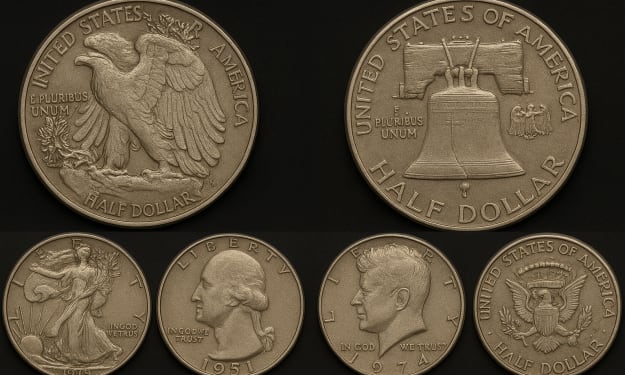
If you’ve found yourself holding an old half dollar, you’ve probably wondered: is this just pocket change, or could it be something more? I’ve had that same conversation with countless collectors in my eight years as a numismatist. The answer often hinges on three legendary names: Walking Liberty, Franklin, and Kennedy. More than just silver, these coins are tangible pieces of 20th-century America. This guide will help you understand their stories, values, and which one might be the perfect fit for your goals, whether you're building a collection or an investment.
By Laura Bennett5 days ago in Education
Rewiring Wellness: How Neuroscience Is Redefining the Mind-Body Connection in Therapy
In recent years, neuroscience has reshaped the understanding of how emotional and physical processes interact, offering therapists new insight into healing. The mind-body connection, once viewed as more philosophical than scientific, now has clear biological explanations. Studies show that thoughts, emotions, and physical sensations are deeply intertwined, influencing everything from stress responses to overall wellbeing. This knowledge is transforming modern therapeutic practices by providing clinicians with evidence-based tools that support integrated healing.
By Debra Bailey PHDabout 12 hours ago in Education
Silver Screen Magic with Mae West
American actress and singer Mae West became a popular film actress during the Great Depression. She started entertaining in vaudeville, then performed on Broadway, and finally went to Hollywood. She signed up with Paramount Pictures and made her debut in the 1932 film “Night After Night.” She also starred in musicals, comedies, and crime dramas. The American Film Institute named her one of the best classic Hollywood actresses.
By Rasma Raisters6 days ago in Geeks



Comments