
Living in Italy as a Student: Housing, Transportation, and Day-to-Day Life
Living in Italy as a Student
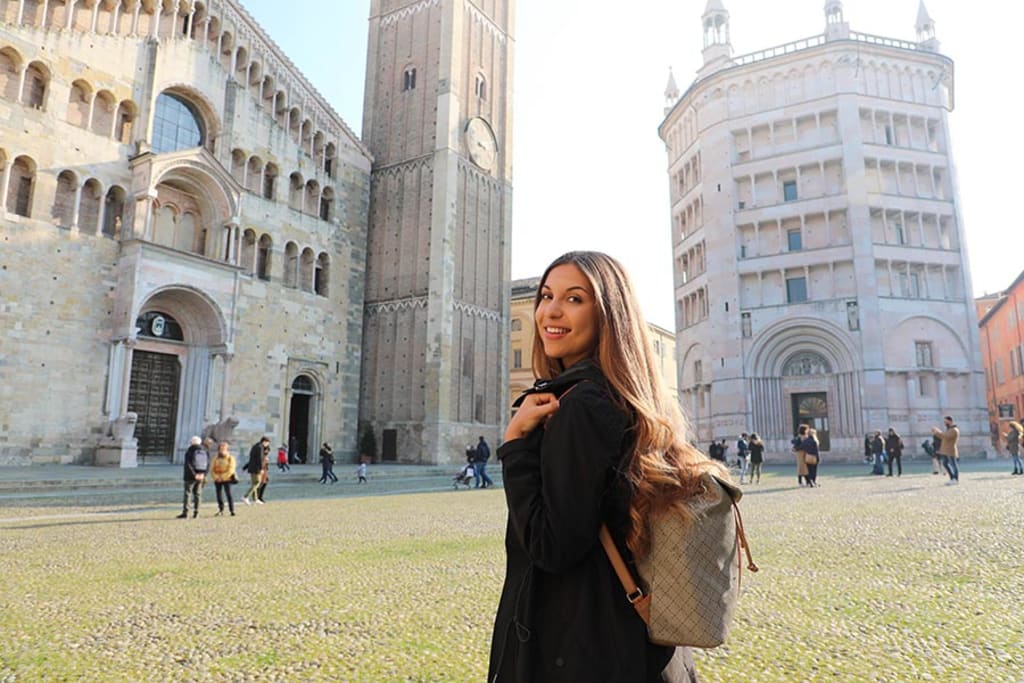
Italy offers international students more than just top-notch education; it’s also a gateway to incredible cultural experiences, vibrant cities, and a lifestyle that blends tradition with modernity. If you're planning to study in Italy, understanding how to manage your day-to-day life is essential. From finding the right housing to navigating transportation, this guide will help you feel at home during your overseas education journey.
Housing in Italy for International Students
Finding accommodation is one of the first challenges you'll face when moving to Italy. Whether you choose university housing or private accommodation, it’s important to know your options:
1. University Dormitories
Most Italian universities offer student dormitories or student residences, providing a convenient and often affordable option for international students. Dormitories are a great way to meet other students, both local and international, and immerse yourself in campus life. The cost typically ranges from €250 to €400 per month, depending on the city and university.
Many dormitories provide amenities such as study rooms, common areas, and sometimes even dining facilities. Additionally, living on campus allows for easy access to university resources and events, helping you stay connected with academic life.
2. Private Rentals
If you prefer more independence, renting a private apartment is another option. Rent can vary greatly depending on the city you choose to study in Italy. For example:
In Rome or Milan, expect to pay around €400 to €800 per month for a shared apartment or studio.
In smaller cities like Bologna or Pisa, rents can be more affordable, ranging from €250 to €500 per month.
Pro tip: Start your housing search early, especially if you plan to study abroad in popular cities. Websites like Spotahome and Uniplaces can help you find verified listings for student rentals. Always visit the property, if possible, and read reviews to ensure the landlord is reputable.
3. Homestay Programs
Some students opt for homestay programs, living with an Italian family. This can offer a unique cultural experience and help you improve your language skills. The cost is similar to renting a room and may include meals, offering an immersive way to engage in overseas education. Living with a family can also provide insights into Italian traditions and daily life that you might not otherwise experience.
Transportation in Italy
Navigating Italy as a student is relatively easy, thanks to the country’s efficient and well-connected public transportation system. Here’s what you need to know:
1. Public Transport
Most Italian cities, especially major ones like Milan, Rome, and Florence, have reliable public transportation, including buses, trams, and metro services. The monthly transport pass for students usually costs between €25 and €55, depending on the city.
For example:
Milan: The ATM network provides buses, trams, and metro lines throughout the city. A monthly student pass costs around €22.
Rome: The ATAC network includes buses, trams, and metro, with a monthly student pass priced at around €35.
Using the public transportation system not only helps you save money but also allows you to experience daily life in the city.
If you’re studying in a smaller town or rural area, local buses and trains are available, though services may be less frequent.
2. Biking
Many Italian cities are bike-friendly. Cycling is a cheap, eco-friendly way to get around, especially in university towns like Bologna and Padua. You can rent bikes or use bike-sharing apps available in major cities. Biking not only promotes a healthy lifestyle but also gives you the freedom to explore your surroundings at your own pace.
3. Trains for Longer Travel
One of the perks of studying in Italy is the ability to easily explore the country. Italy’s train network is extensive and connects major cities and regions. You can travel from Milan to Florence or Rome to Naples in just a couple of hours. As a student, you can take advantage of discounts on train travel with a CartaFRECCIA card, which offers reduced fares on high-speed trains.
Plan weekend trips to historical towns like Venice, Siena, or Cinque Terre to make the most of your time in Italy. These experiences can enrich your understanding of Italian culture and history.
Day-to-Day Life in Italy
Adjusting to daily life in Italy is part of the excitement of overseas education. Here’s a look at what to expect in your everyday routines:
1. Food and Dining
Italian food needs no introduction! As a student, you can enjoy affordable meals both at home and out.
Cooking at Home: Shopping at local markets and supermarkets allows you to prepare meals cheaply. Expect to spend around €200-€300 per month on groceries. Fresh produce, pasta, and cheeses are often much cheaper compared to other countries.
Dining Out: While dining out at high-end restaurants may be expensive, students can take advantage of local pizzerias, trattorias, and cafes offering budget-friendly meals. You can find pizza or pasta dishes for as low as €6-€10.
Tip: Take advantage of university cafeterias (Mensa), where students can enjoy discounted meals. Many campuses also have international dining options, making it easier to find food that reminds you of home.
2. Student Life and Culture
Italy has a rich cultural scene, with countless opportunities for students to engage in local traditions, art, and history.
Museums and Galleries: As an international student, you’ll likely receive discounts on entry to museums, galleries, and cultural sites. Major cities like Florence, Rome, and Venice offer incredible art and history tours that are often free or discounted for students.
Social Life: University campuses in Italy are known for being vibrant, with student associations organizing events, parties, and trips. Engage with your peers to build friendships and networks. Join clubs or organizations that align with your interests, whether in sports, culture, or academics.
Cultural Events: Italy hosts numerous festivals, concerts, and exhibitions throughout the year. Participate in local events, like film festivals or art exhibitions, to fully immerse yourself in Italian culture.
3. Banking and Finances
Setting up a local bank account can help you manage your finances during your study abroad. Italian banks often provide special student accounts with no fees, making it easier to manage your money.
Popular Banks: Look into UniCredit, Intesa Sanpaolo, or BancoPosta for student-friendly banking options. Many banks also offer online banking services, making it convenient to transfer money and manage your expenses.
Currency: Italy uses the Euro (€). Make sure to monitor currency exchange rates if you're transferring money from home. Consider using a no-foreign transaction fee credit card to save on exchange fees when making purchases.
Adjusting to Life in Italy: A Cultural Experience
1. Learning the Language
While many universities in Italy offer courses in English, learning Italian can greatly enrich your experience. Not only will it help you navigate daily life, but it will also open doors to deeper connections with locals. Consider enrolling in a basic Italian language course offered by your university or take advantage of free language exchange programs. Practice speaking with locals whenever possible—Italians appreciate the effort and are often willing to help you learn.
2. Embrace the Italian Lifestyle
Italy has a unique rhythm of life, with a slower pace and an emphasis on enjoying the moment. From siestas in the afternoon to long dinners with friends, immersing yourself in the Italian lifestyle will help you make the most of your time during your overseas education.
Work-Life Balance: Italians value a healthy work-life balance. You’ll find that many shops close during the afternoon for a break, and people often spend evenings socializing with friends and family. Take this opportunity to unwind and connect with your peers.
Conclusion
Living in Italy as an international student is an enriching experience, offering a perfect blend of academic rigor and cultural immersion. From finding affordable housing to navigating public transportation and enjoying day-to-day life, Italy provides a welcoming environment for students from all over the world.
Whether you're drawn by the academic prestige, the chance to study in Italy, or the allure of its beautiful cities, your study abroad experience in Italy is bound to be unforgettable. Embrace the opportunity, explore the country, and make the most of your time as an international student in one of the most culturally rich destinations in the world.
also read:
Unlock Your Future: Study in New Zealand for a World-Class Education
About the Creator
Keep reading
More stories from Ladalisiddiqui and writers in Education and other communities.
Unlock Your Future: Study in New Zealand for a World-Class Education
Studying abroad is an exciting adventure, offering students the chance to immerse themselves in new cultures, gain global perspectives, and receive top-notch education. Among the many options available, New Zealand stands out as an exceptional destination for international students. With its world-class universities, stunning landscapes, and welcoming communities, studying in New Zealand can be a transformative experience. This article will explore the benefits of pursuing a degree in New Zealand, the application process, and why it is a great choice for anyone looking to study abroad.
By Ladalisiddiquiabout a year ago in Education
Half Dollars That Defied Time: Kennedy, Franklin & Walking Liberty
If you’ve found yourself holding an old half dollar, you’ve probably wondered: is this just pocket change, or could it be something more? I’ve had that same conversation with countless collectors in my eight years as a numismatist. The answer often hinges on three legendary names: Walking Liberty, Franklin, and Kennedy. More than just silver, these coins are tangible pieces of 20th-century America. This guide will help you understand their stories, values, and which one might be the perfect fit for your goals, whether you're building a collection or an investment.
By Laura Bennett5 days ago in Education
Rewiring Wellness: How Neuroscience Is Redefining the Mind-Body Connection in Therapy
In recent years, neuroscience has reshaped the understanding of how emotional and physical processes interact, offering therapists new insight into healing. The mind-body connection, once viewed as more philosophical than scientific, now has clear biological explanations. Studies show that thoughts, emotions, and physical sensations are deeply intertwined, influencing everything from stress responses to overall wellbeing. This knowledge is transforming modern therapeutic practices by providing clinicians with evidence-based tools that support integrated healing.
By Debra Bailey PHDabout 17 hours ago in Education
Silver Screen Magic with Mae West
American actress and singer Mae West became a popular film actress during the Great Depression. She started entertaining in vaudeville, then performed on Broadway, and finally went to Hollywood. She signed up with Paramount Pictures and made her debut in the 1932 film “Night After Night.” She also starred in musicals, comedies, and crime dramas. The American Film Institute named her one of the best classic Hollywood actresses.
By Rasma Raisters6 days ago in Geeks




Comments (1)
Wonderful article on living in Italy as a student! The tips on housing and transportation are really helpful. For Pakistani students considering this option, study in Italy for Pakistani students "https://wslconsultants.com/study-abroad/study-in-italy/"can offer an incredible experience.