
Is Baking Soda Good for Heartburn and Acid Reflux?
Baking Soda for Heartburn: Is It Effective?

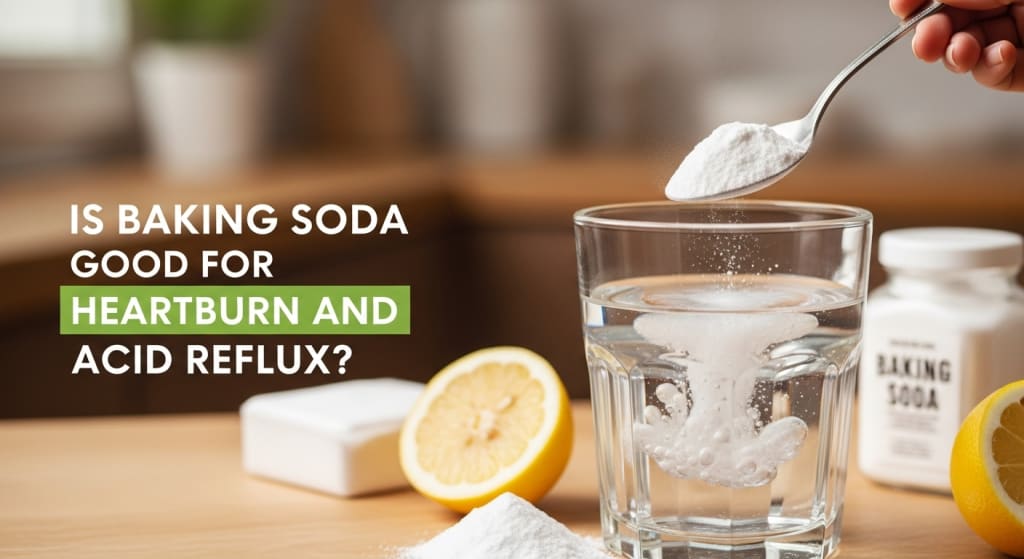
Have you ever felt a burning sensation in your chest after a heavy meal and wondered if there’s a simple way to ease that discomfort? Heartburn and acid reflux are common issues affecting millions worldwide. These problems occur when stomach acid flows back into the esophagus, causing pain and irritation.
While medications are available, many people turn to home remedies for quick relief. One popular option is baking soda for heartburn and acid reflux — a kitchen staple that may help neutralize stomach acid and bring temporary comfort when heartburn strikes.
What Exactly Is Baking Soda?
Baking soda, also known as sodium bicarbonate, is a naturally occurring substance with alkaline properties. It’s commonly used in baking, cleaning, and even personal care products. When dissolved in water, it breaks down into sodium and bicarbonate ions.
These components can help counteract acidity, making it an accessible option for neutralizing excess stomach acid. Though safe when used occasionally, it’s important to understand how baking soda works and the situations where it should or shouldn’t be used.
Things to Know About Heartburn and Acid Reflux
Heartburn is a common symptom of acid reflux, where stomach acid flows back into the esophagus. Several factors contribute to this condition:
- Spicy, fatty, and acidic foods
- Caffeine, alcohol, and smoking
- Lack of exercise and obesity
- Eating large meals or lying down after eating
Common symptoms include:
- Burning sensation in the chest: Irritation in the esophagus causes discomfort behind the breastbone.
- Sore throat: Acid reflux may inflame throat tissues.
- Sour or bitter taste: Stomach acid reaching the mouth.
- Trouble swallowing: Food passage difficulties.
- Chronic coughing: A frequent issue linked to acid reflux.
Underlying causes include inflammation of the esophagus, weakness in the lower esophageal sphincter (LES), and motility disorders affecting the esophagus and stomach.
How Baking Soda Works for Heartburn
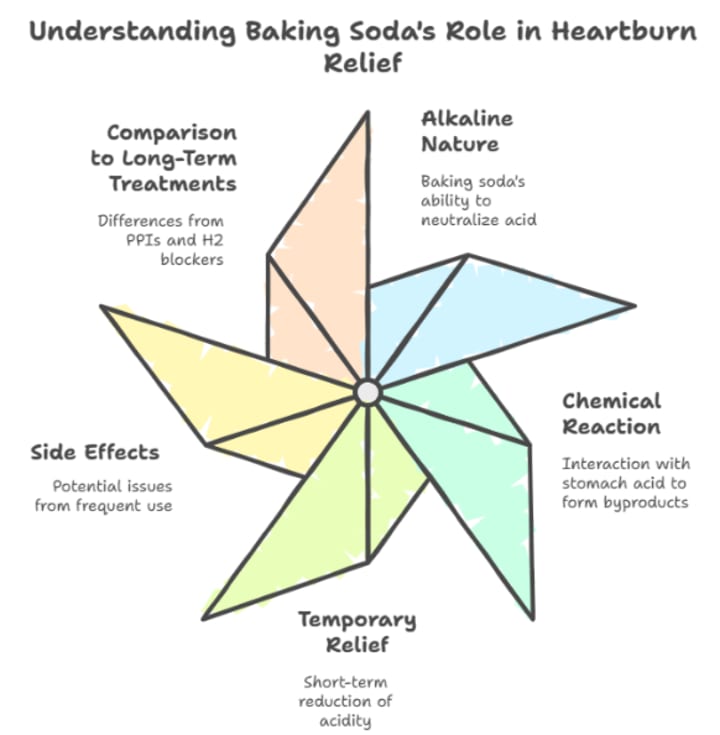
Baking soda’s alkaline nature allows it to balance stomach acid when consumed in small amounts. Upon entering the stomach, it reacts with hydrochloric acid, the main digestive acid, resulting in the formation of carbon dioxide, water, and salt.
This chemical reaction temporarily raises the stomach’s pH level, reducing acidity and alleviating the burning sensation linked to heartburn. The fizzing or bubbling often observed is the release of carbon dioxide gas.
However, this relief is only short-term. Frequent use may lead to bloating, gas, and sodium-related issues. Unlike long-term treatments like proton pump inhibitors (PPIs) or H2 blockers, baking soda does not prevent acid production and should be used cautiously.
Is Baking Soda Effective for Heartburn and Acid Reflux?
Baking soda can be a quick, effective way to ease occasional heartburn symptoms. Its ability to neutralize stomach acid provides fast relief, often within minutes. However, it does not treat the underlying causes of acid reflux or offer long-lasting solutions. For this, you need to seek gastrointestinal disease treatment.
Frequent or chronic reflux requires more sustainable management strategies. Overuse of baking soda can lead to unwanted side effects such as electrolyte imbalances, bloating, and increased blood pressure due to its high sodium content.
Therefore, while it is helpful for temporary comfort, baking soda is not a substitute for medical care or lifestyle adjustments needed to control acid reflux over time.
How to Use Baking Soda for Heartburn
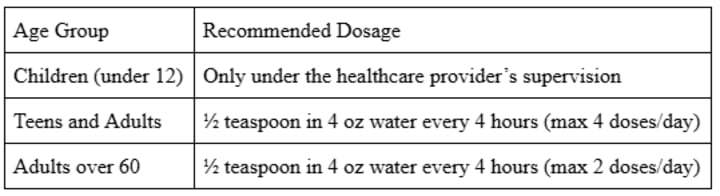
Recommended Dosage:
- Children (under 12 years): Use only under medical supervision.
- Teens and Adults: ½ teaspoon of baking soda mixed with 4 ounces of water every four hours. Do not exceed 4 doses in 24 hours.
- Adults over 60: ½ teaspoon mixed with 4 ounces of water every four hours. Limit to 2 doses in 24 hours or as directed by a healthcare provider.
Ways to Consume:
- Dissolve baking soda fully in water before drinking.
- Stir and sip slowly rather than gulping.
- Avoid using it alongside other medications without consulting a doctor.
- Do not take on an empty stomach for better tolerance.
- Use occasionally and not as a daily remedy.
Are There Any Risks of Using Baking Soda for Heartburn?
Using baking soda too frequently or in high amounts can lead to side effects such as:
- Bloating and gas: Caused by the release of carbon dioxide.
- Electrolyte imbalance: High sodium can disrupt potassium and calcium levels.
- Increased blood pressure: Excess sodium may worsen hypertension.
- Kidney strain: Overuse can impair kidney function in vulnerable individuals.
Who Should Not Drink Baking Soda?
- Baking soda is not suitable for everyone. Avoid using it if you have:
- High blood pressure or heart disease
- Kidney problems or compromised kidney function
- Conditions requiring a low-sodium diet
- Pregnancy or breastfeeding without medical advice
- Chronic acid reflux or frequent heartburn requiring medical care
Age-Wise Recommendations to Use Baking Soda for Heartburn and Acid Reflux
Alternatives to Baking Soda for Heartburn Relief
While baking soda offers temporary relief, long-term heartburn management requires lifestyle adjustments that address the root causes. These include:
- Smaller, frequent meals: Reduces stomach pressure and acid buildup.
- Avoid trigger foods: Cut down on spicy, fatty, and acidic items like coffee and tomatoes.
- Limit alcohol and caffeine: These relax the lower esophageal sphincter, promoting reflux.
- Stay upright post-meals: Wait at least 2-3 hours before lying down to prevent backflow.
- Maintain a healthy weight: Excess weight increases abdominal pressure.
- Elevate the head while sleeping: Helps keep stomach acid from rising at night.
In addition to these, you can check what to drink for acid reflux to help manage reflux symptoms more safely and sustainably than occasional baking soda use.
FAQ
1. Can I drink baking soda every day for heartburn?
No. Daily use may lead to sodium overload, electrolyte imbalance, and worsen health problems like high blood pressure.
2. How fast does baking soda work?
Relief is usually felt within minutes after drinking a properly mixed solution, but the effect is temporary.
3. Can baking soda interfere with medications?
Yes. Baking soda may interact with certain medicines and worsen conditions like kidney or heart disease.
4. Is it safe during pregnancy?
Pregnant or breastfeeding individuals should consult a healthcare provider before using baking soda due to potential risks.
5. What should I do if heartburn persists?
If heartburn is frequent or severe, seek medical advice to explore treatments that address the underlying causes.
Key Takeaway
Baking soda can offer fast and accessible relief for occasional heartburn and acid reflux, but it’s not a long-term solution. Overuse can result in unwanted side effects, and it does not address the root causes of reflux. L
If you experience frequent symptoms or discomfort, it’s essential to consult healthcare experts at the Gastroenterology Associates of Tidewater. These home remedies may provide short-term comfort, but lasting relief and proper management require expert care and tailored treatment. Prioritize your health and reach out to specialists for guidance.
About the Creator
Erika Phillips
Erika Phillips, a dedicated Health content writer, crafts heartfelt, insightful articles. Passionate about the power of knowledge, she simplifies complex health topics, empowering readers to take charge of their well-being.
Keep reading
More stories from Erika Phillips and writers in Education and other communities.
Gastrointestinal Soft Diet - A Comprehensive Overview
A gastrointestinal soft diet is a specially tailored eating plan designed to make digestion easier while still providing essential nutrients. It emphasizes foods that are soft, easy to chew, and gentle on the digestive system. Often prescribed after surgery or during recovery from gastrointestinal issues, this diet can help reduce discomfort, prevent irritation, and promote healing. While the foods may be gentle on your stomach, a well-planned soft diet can still be delicious, balanced, and varied enough to meet daily nutritional needs.
By Erika Phillips 5 months ago in Education
Avoiding Common Counterfeit U.S. Coins: Expert Tips from Laura Bennett
Expert Guide to Spotting Fake U.S. Coins I’ve handled tens of thousands of coins in my career, and that moment of doubt—the gut feeling something isn’t right—is something every collector experiences. That feeling isn't a weakness; it's your best line of defense. This guide is your toolkit to turn that doubt into decisive action. I’ll share the same systematic approach I use to separate the real treasures from the clever fakes, so you can build your collection with confidence.
By Laura Bennett7 days ago in Education



Comments
There are no comments for this story
Be the first to respond and start the conversation.