
Gastrointestinal Soft Diet - A Comprehensive Overview
Gastrointestinal Soft Diet Guide

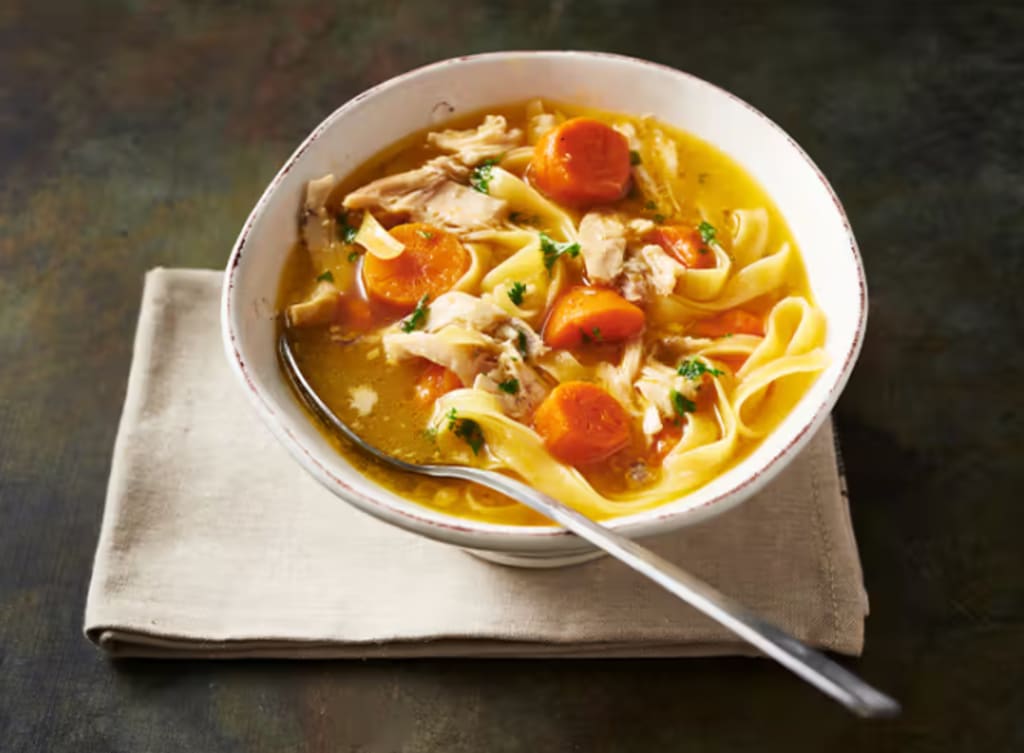
A gastrointestinal soft diet is a specially tailored eating plan designed to make digestion easier while still providing essential nutrients. It emphasizes foods that are soft, easy to chew, and gentle on the digestive system. Often prescribed after surgery or during recovery from gastrointestinal issues, this diet can help reduce discomfort, prevent irritation, and promote healing. While the foods may be gentle on your stomach, a well-planned soft diet can still be delicious, balanced, and varied enough to meet daily nutritional needs.
What Is a Soft Diet?
A soft diet consists of foods that require minimal chewing and are easy to swallow and digest. It can be either naturally soft (like ripe bananas) or modified in texture by cooking, mashing, or blending. The goal is to reduce strain on the digestive tract while still providing sufficient nutrients for recovery and overall health.
Soft diets are often low in fiber and fat to minimize irritation, though they can be adjusted for individual needs. They are not meant as a permanent eating plan but rather as a temporary measure during specific medical situations or recovery phases.
Why Is a Soft Food Diet Prescribed?
Gastrointestinal Associates of Tidewater recommends a soft food diet when the digestive tract, mouth, or throat needs a break from processing tougher, fibrous foods. Common reasons include recovery from surgery (especially oral, throat, or gastrointestinal), dental issues, difficulty swallowing (dysphagia), or flare-ups of digestive disorders like Crohn’s disease, ulcerative colitis, or diverticulitis.
By easing the digestive workload, this diet helps reduce irritation, pain, and the risk of complications. It can also help patients maintain adequate calorie and protein intake during recovery. The emphasis is on promoting healing, preventing further injury, and ensuring that eating remains comfortable and safe.
When Should Someone Follow This Diet?
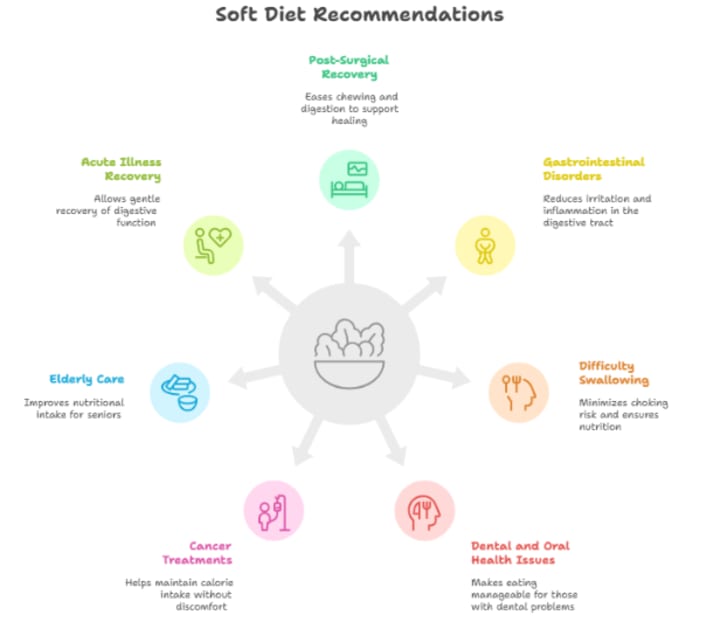
A gastrointestinal soft diet is typically recommended for individuals dealing with conditions that make chewing, swallowing, or digesting regular foods challenging. It can be prescribed temporarily or for extended periods, depending on the underlying cause.
Common Situations and Conditions Include:
1. Post-Surgical Recovery
After gastrointestinal, dental, jaw, or throat surgery, the body is vulnerable, and chewing or digesting coarse food can cause pain or disrupt healing. A soft diet minimizes this risk and supports tissue repair.
2. Gastrointestinal Disorders
Conditions like ulcerative colitis, Crohn’s disease, diverticulitis, peptic ulcers, and gastritis can make the digestive tract sensitive. Soft foods are less likely to cause irritation, inflammation, or mechanical damage.
3. Difficulty Swallowing (Dysphagia)
This may result from neurological disorders, stroke, or esophageal narrowing. A soft diet reduces choking risk and ensures adequate nutrition without discomfort.
4. Dental and Oral Health Issues
Individuals with missing teeth, dental surgery recovery, or severe tooth decay may struggle to chew. Soft foods make eating manageable while still providing nutrients.
5. Cancer Treatments
Radiation or chemotherapy targeting the mouth, throat, or digestive system can cause inflammation (mucositis) and sensitivity. Soft foods help patients maintain calorie intake without worsening discomfort.
6. Elderly Care
Seniors often have reduced chewing ability due to dental loss or diminished muscle strength. Soft diets can improve their nutritional intake and overall health.
7. Acute Illness Recovery
After severe infections or prolonged illness, patients may have weakened digestion. Gentle, soft foods allow the digestive system to gradually regain full function.
Always follow your healthcare provider’s guidance for how long to stay on the diet and when to reintroduce regular foods.
Types of Soft Food Diets
Here is the GI soft diet food list depending on the medical need.
1. Mechanical Soft Diet – Focuses on foods modified by chopping, blending, or mashing to make them easier to chew, while keeping a wider variety of textures.
2. Pureed Diet – All foods are blended into a smooth, pudding-like consistency for those with severe chewing or swallowing issues.
3. Low-Residue Soft Diet – Reduces fiber intake to minimize stool bulk, often used for bowel rest in gastrointestinal disorders.
4. Post-Surgical Soft Diet – Temporarily prescribed to promote healing after surgery, focusing on easy-to-digest, non-irritating foods.
Foods to Eat on the Soft Food Diet
A balanced soft diet includes nutrient-rich foods from all food groups.
Fruits and Vegetables
- Applesauce
- Canned fruit
- Steamed or soft-cooked vegetables
- Soft, skinless fruits (bananas, stone fruits, melons)
- Baked fruits
- Salad greens
Grains
- Bread
- Soft cereals
- Hot cereals like oatmeal or cream of wheat
- Pasta and noodles
- White rice
- Pancakes and waffles
Protein
- Soft, tender meat, poultry, and fish
- Poached, scrambled, or boiled eggs
- Tofu
- Smooth peanut butter
- Baked beans
Dairy
- Greek or regular yogurt
- Thinly sliced cheese
- Cottage cheese or ricotta
- Milk
Foods to Avoid
- Nuts and seeds
- Chips, popcorn, and chocolate
- Tough meat, jerky, bacon, chunky peanut butter
- High-fiber whole grains
- Hard or stringy fruits/vegetables
- Raw veggies
Preparation Tips
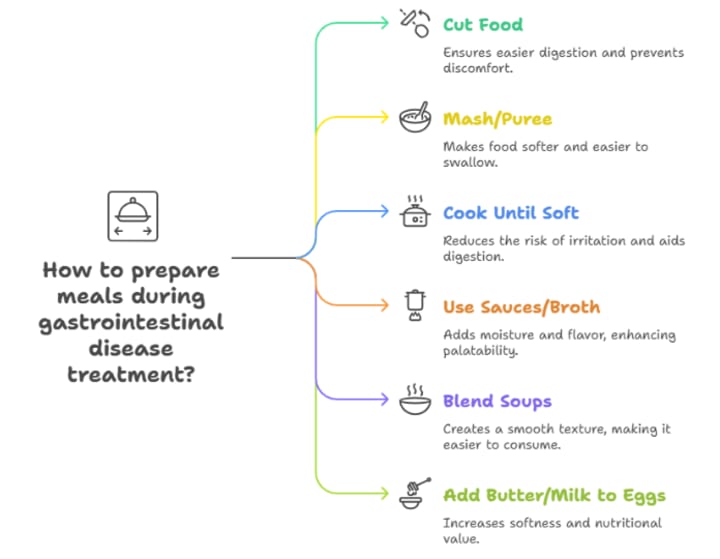
- Cut food into small pieces
- Mash or puree when needed
- Cook until soft
- Use sauces, broth, or cream to moisten
- Blend soups until smooth
- Add butter or milk to eggs for softness
Popular meal ideas include guacamole, dahl curry, soups, stews, casseroles, tuna with mayonnaise, and cauliflower cheese. They are especially recommended during gastrointestinal disease treatment.
Nutritional Tips and Additional Considerations
Even on a soft diet, variety is key to preventing nutrient deficiencies. Small, frequent meals help if the appetite is low. Nutritional shakes can supplement intake if chewing is still difficult. Fortified drinks and full-fat dairy can increase calorie content for those struggling to maintain weight. Always monitor your symptoms, and if you experience worsening discomfort or difficulty swallowing, consult your doctor or dietitian promptly.
Final Words
A gastrointestinal soft diet can be both nourishing and gentle, supporting recovery from various digestive, oral, and surgical conditions. With careful planning, you can meet all your nutritional needs while avoiding discomfort.
If you live in Virginia and are considering or currently following a soft diet, consulting an expert gastroenterologist can help you create a safe, effective, and personalized plan. Looking for gastroenterology physicians near me? Seek professional guidance to ensure your diet supports both healing and long-term health without unnecessary restrictions.
About the Creator
Erika Phillips
Erika Phillips, a dedicated Health content writer, crafts heartfelt, insightful articles. Passionate about the power of knowledge, she simplifies complex health topics, empowering readers to take charge of their well-being.
Keep reading
More stories from Erika Phillips and writers in Education and other communities.
Non-Invasive vs. Traditional Colonoscopy: Which One Is Right for You?
Colorectal cancer is one of the most preventable yet deadly cancers in the U.S. Early detection is key, and one of the best ways to catch it early — or prevent it altogether — is through routine colon cancer screening. But when it comes to screening, you’ve got options. The two major ones? Traditional colonoscopy and non-invasive tests like stool-based screenings or virtual colonoscopy.
By Erika Phillips 11 months ago in Education
Justice Begins With Character
Conscience, Character, and Justice While laws and institutions are necessary to maintain order, they alone cannot create a truly just society. The foundation of justice is built within the hearts and minds of people, long before legal decisions are made or courtroom debates occur.
By A.Petrovskia day ago in Education
Worth the Wait: Puerto Viejo, Costa Rica
Beach bumming in a small Caribbean beach town sounded like a perfect way to end our 6-month trip through Mexico and Central America. Or so we thought. The foul, fishy stench of rotten seaweed hit our nostrils as we stepped from the cramped bus and looked out at a rather depressing, empty, and underwhelming black sand beach. It was pouring with rain, and we had to quickly fish out our ponchos. We thought, this couldn’t be it, could it?
By Sh*t Happens - Lost Girl Travel4 days ago in Wander



Comments
There are no comments for this story
Be the first to respond and start the conversation.