
How do mental illnesses influence relationships, and how can a couple or family help each other through it?
mental illnesses influence relationships
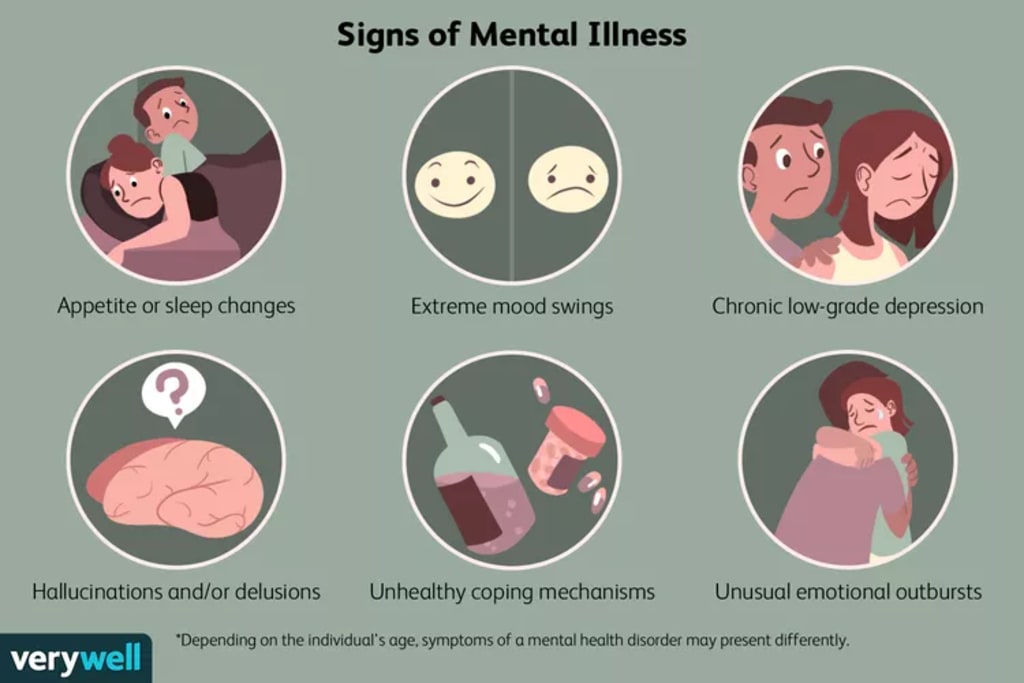
How do mental illnesses influence relationships, and how can a couple or family help each other through it?
Mental health is the key in influencing our relationship with others—particularly in intimate relationships like romantic relationships, marriage, parent-child relationships, and sibling relationships. When there is a mental health concern in one or several individuals involved in a relationship, it can make the emotional, functional, and communication parts challenging that strain the relationship to its breaking point. But through empathy, a perspective on mental health, and proper support, not only can relationships survive mental health challenges, but they can emerge stronger from these challenges.
Mental illness does not occur in a vacuum—it occurs not just to the individual but also to everyone around them. That's why open communication, education, patience, and availability of professional assistance are essential for couples and families coping with mental illness together.
The Impact of Mental Illness on Relationships
When an individual is fighting a mental illness—such as depression, anxiety, bipolar disorder, PTSD, OCD, or schizophrenia—their feelings, behaviors, and thoughts can change in concrete ways. Such changes have profound effects on relationships, including:
1. Emotional Distance and Withdrawal
Anxiety and depression, for instance, have the effect of causing individuals to withdraw. They may pull away from conversations, physical touch, or activity. This can lead to rejection, confusion, or feelings of not being lovable by partners or family members—although the involved individual is generally not deliberately pushing them away.
2. Communication Difficulties
Mental illness may interfere with being able to communicate thoughts in a logical way, listen intently, or discern social cues. For example, a nervous person may perceive a neutral remark as criticism, while a bipolar person will speak quickly or impulsively when manic.
Miscommunication can lead to misunderstandings, hurt feelings caused by others, or strife, even when people are well-intentioned.
3. Mood Swings and Irritability
The majority of mental diseases come with mood instability, which can lead to spontaneous fury, weeping, or emotional insensitivity. These changes could be oblique and overwhelming to loved ones except for the fact that they understand the sickness at hand.
4. Unbalanced Responsibilities
If the person with mental illness is having difficulty working, performing household tasks, or managing children, family members or the spouse may need to take on extra duties. This can lead to burnout, resentment, or feelings of unfairness—unless openly acknowledged and addressed.
5. Guilt and Self-Blame
The mentally ill individual may feel they are a burden to their loved ones. This causes them to feel guilty and might cause them to withdraw or refuse to seek help, which continues to put pressure on relationships.
As with parents or spouses blaming themselves for not being able to "fix" the issue, this is counterproductive and unfair.
Common Reactions of Loved Ones
It is to be expected that family members and partners will experience ambivalence when caring for a person with mental illness. Some of these are:
Fear – Anxiety regarding the severity or course of illness
Frustration – Powerlessness, neglect, and burden
Sadness – Loss of the relationship arrangement that has been altered
Anger – With the illness, or maybe displaced at the ill individual
Hope – The hope that things would improve with the proper support and treatment
Recognize these feelings and take them in without shame. Emotional honesty is the foundation of solid, healthy relationships.
How Couples and Families Can Be Good For Mental Health Together
While mental illness can put a strain on relationships, it also provides an opportunity for learning, understanding, and more intimacy. Here are a few ways couples and families can be good support:
1. Educate Yourself
Having an understanding of the specific mental health condition helps reduce judgment and enhance empathy. Learn about symptoms, triggers, treatment, and common misconceptions. For example:
Depression is not laziness
Anxiety is not something someone can "snap out" of
Bipolar disorder is not just moody
PTSD is not simply about past trauma—it disrupts present safety perception
Use good sources like mental health practitioners, doctor websites, or support organizations.
2. Practice Compassionate Communication
Establish a safe and nonjudgmental conversation space. Listen actively, do not interrupt, and respond with empathy. Examples of empathetic statements:
"Sounds really difficult. Do you mind telling me more about it?"
"I may not fully understand it, but I want to support you."
"I am here, and we will figure it out together."
Avoid practicing minimization or toxic positivity responses like "Just think positive" or "You have nothing to be depressed about."
3. Establish Boundaries and Expectations
Support isn't about sacrificing your own health. Establish healthy boundaries around what you can and can't do. Be honest about expectations—particularly in romantic relationships or caregiving situations—to avoid resentment.
Healthy boundaries may include:
Taking time for your own mental health
Sharing the workload fairly
Placing boundaries on draining emotional conversations when you're exhausted
4. Support Professional Assistance
Help your loved one gently seek therapy or medical intervention. Be willing to:
Assist them in researching therapists or psychiatrists
Attend appointments with them (if needed)
Be involved in their care plan (with permission)
Remember, you are not their therapist. Your role is to support, not repair.
5. Recognize Small Wins
Recovery is not linear. A good day after several bad ones, attending a therapy session, or simply getting out of bed may be huge wins. Celebrate and be proud of moves made without expectation.
Positive feedback like "I'm proud of you for trying" or "That took a lot of courage" says more than words.
6. Join Support Groups
Exchanging stories with others going through the same problems can reduce isolation and provide tips. Support groups for:
Family members of the mentally ill
Spouses or partners
Caregivers
are widely available in most communities and mental health organizations.
These groups offer sanctioning and a sense of camaraderie.
7. Have a Routine
A consistent routine is something both the person with mental illness and their family members can count on. Establish mutual calendars that encompass:
Meals
Sleep and self-care
Family time
Medication and therapy sessions
Even small daily routines—such as evening strolls or morning morning check-ins—can foster bonding.
What to Avoid
Although the motive is in many cases good, there are some behaviors that are dangerous:
Criticism or blaming – Mental illness is not an act of will
Overprotection – Don't treat the individual as delicate or helpless
Ignoring your own needs – Caregiver burnout is real
Ultimatums – Threatening to leave unless they “get better” is not helpful
Inconsistent support – Saying you’re there but frequently withdrawing leads to confusion and mistrust
When to Seek Crisis Support
If your loved one shows signs of:
Suicidal thoughts or behaviors
Aggression or violence
Hallucinations or paranoia
Complete inability to function
Seek emergency psychiatric support immediately. Do not wait for things to escalate.
The Power of Partnership
Relationships thrive when they're built on trust, respect, and concern for each other—even when mental illness is involved. Couples and families report that working through these challenges together deepens their emotional intimacy and fosters resilience that endures.
Yes, it does require effort—but with the proper tools and outlook, love and support can be powerful healing forces.
A Closing Thought
Living with or loving someone with a mental illness is an adventure. There will be blinds spots, bad days, and moments of doubt. But with empathy, education, and professional assistance, relationships can develop, become stronger, and even become a place of healing.
Mental illness is not shameful. There is only the invitation to compassion—and the courage to walk together on the path.
For professional psychiatric treatment and counseling, please visit:
https://www.delhimindclinic.com/
https://www.craftcmsdeveloper.in/
Feel free to reach out to me if you'd like to make changes to your Craft site or would simply like to discuss your Craft project. I'd love to provide a complimentary consultation!
About the Creator
Keep reading
More stories from Naveen Garg and writers in Education and other communities.
What are the early warning signs of mental illness, and why is it important to intervene early?
Mental health is extremely significant to our well-being and general health and affects the way we think, feel, act, and relate to others. Just like physical illnesses have warning signs—a cough, fatigue, or a fever—mental illnesses typically have early warning signs that indicate we are ill. We should be aware of these warning signs, not only to reduce the individual's misery, but also to improve results with early intervention.
By Naveen Garg6 months ago in Education
Half Dollars That Defied Time: Kennedy, Franklin & Walking Liberty
If you’ve found yourself holding an old half dollar, you’ve probably wondered: is this just pocket change, or could it be something more? I’ve had that same conversation with countless collectors in my eight years as a numismatist. The answer often hinges on three legendary names: Walking Liberty, Franklin, and Kennedy. More than just silver, these coins are tangible pieces of 20th-century America. This guide will help you understand their stories, values, and which one might be the perfect fit for your goals, whether you're building a collection or an investment.
By Laura Bennett4 days ago in Education
Rewiring Wellness: How Neuroscience Is Redefining the Mind-Body Connection in Therapy
In recent years, neuroscience has reshaped the understanding of how emotional and physical processes interact, offering therapists new insight into healing. The mind-body connection, once viewed as more philosophical than scientific, now has clear biological explanations. Studies show that thoughts, emotions, and physical sensations are deeply intertwined, influencing everything from stress responses to overall wellbeing. This knowledge is transforming modern therapeutic practices by providing clinicians with evidence-based tools that support integrated healing.
By Debra Bailey PHD39 minutes ago in Education
Silver Screen Magic with Mae West
American actress and singer Mae West became a popular film actress during the Great Depression. She started entertaining in vaudeville, then performed on Broadway, and finally went to Hollywood. She signed up with Paramount Pictures and made her debut in the 1932 film “Night After Night.” She also starred in musicals, comedies, and crime dramas. The American Film Institute named her one of the best classic Hollywood actresses.
By Rasma Raisters5 days ago in Geeks




Comments
There are no comments for this story
Be the first to respond and start the conversation.