
Furniture Restoration: Breathing New Life into Antique Pieces
Reviving Timeless Treasures: The Craft of Restoring Antique Furniture
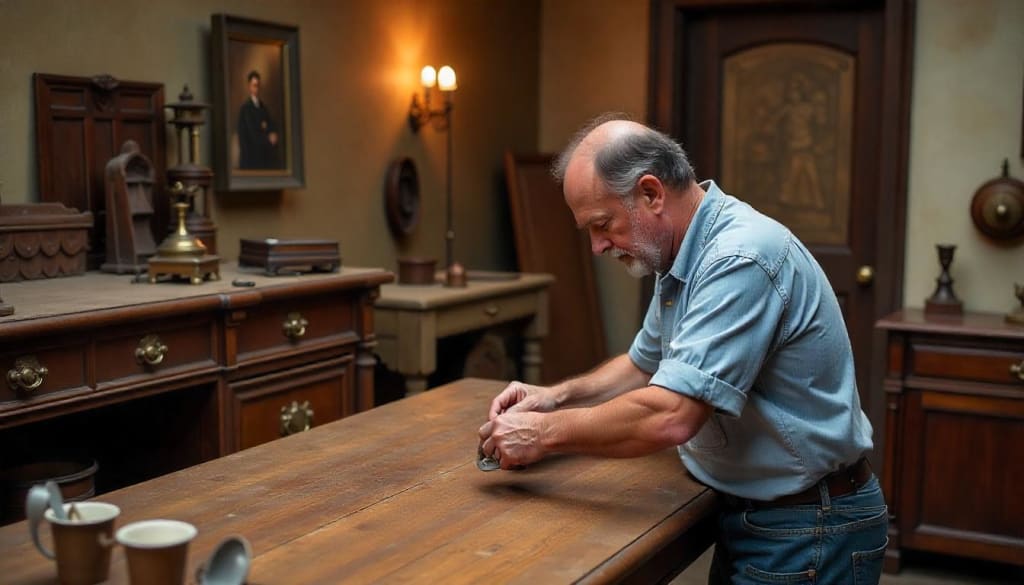
Antique furniture is more than just functional—it’s a piece of history. Each item tells a story, reflecting the craftsmanship, style, and culture of its time. However, over the years, these treasured pieces can become worn, damaged, or outdated due to everyday use, environmental factors, or neglect. Furniture restoration is an art that involves bringing these pieces back to life, restoring their original beauty and preserving their historical significance. This process not only revives the aesthetics and functionality of antique furniture but also gives it a new lease on life, ensuring it can be enjoyed for many more years.
The Art of Furniture Restoration
Furniture restoration is a detailed and skilled process that requires both technical expertise and a deep appreciation for the history embedded in each piece. The first step in restoration is to thoroughly inspect the furniture. This involves assessing the condition of the wood, finish, joints, and any other parts of the piece. An experienced restorer will carefully examine the structure for any damage, such as cracks, dents, or loose joints. They will also inspect the finish to determine if it has worn away, faded, or been stained over time. Depending on the assessment, the restorer will determine what steps need to be taken.
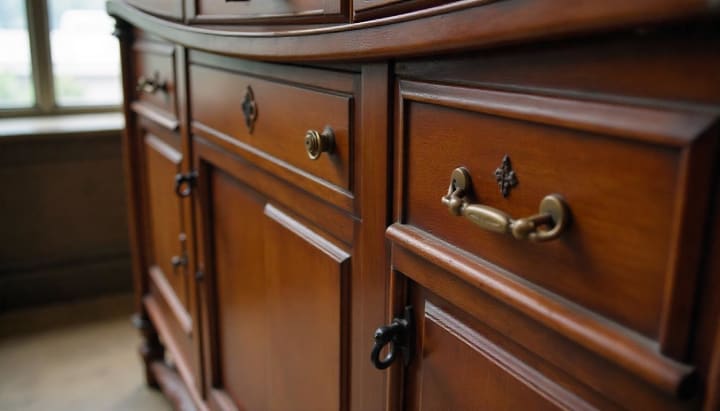
Once the evaluation is complete, the restoration process begins. The next phase often involves carefully disassembling the piece. This may include removing any hardware, drawers, or panels to ensure that each component can be properly cleaned and repaired. Depending on the piece’s age and condition, old varnishes, paints, or finishes are gently stripped away to reveal the original wood beneath. This delicate process helps to prevent any damage to the wood’s surface, allowing the natural grain and color to shine through.
Repairing and Refinishing
After cleaning and stripping the piece, it’s time for repairs. Damaged or worn parts of the furniture, such as broken legs, cracked surfaces, or weakened joints, are carefully mended. The restorer may need to replace parts of the wood or re-glue joints that have loosened over time. For some pieces, additional restoration might involve reconstructing decorative elements, such as inlays or carvings, that have been worn away or damaged. The goal is to ensure that the piece is as sturdy and structurally sound as it was when it was first crafted.
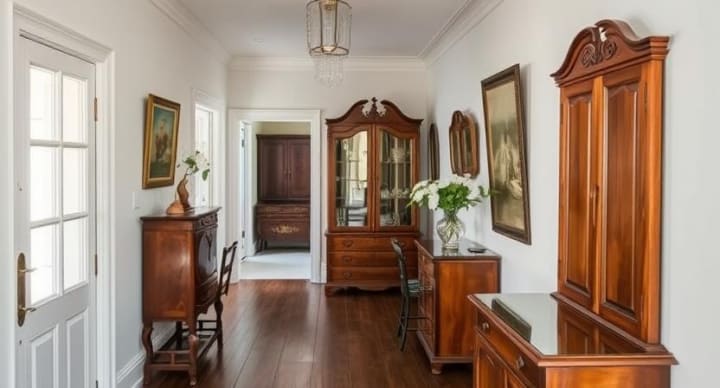
Once the repairs are complete, the furniture is ready for refinishing. This step is where the true beauty of the piece is brought back to life. The restorer will apply a new finish to the wood, such as stain, varnish, or lacquer, to enhance its natural color and texture. The choice of finish depends on the piece’s original style and the desired outcome. Some restorers prefer to keep the furniture’s patina, while others may choose to refresh the finish entirely. The refinishing process can also include polishing or waxing the piece to add a protective layer and bring out its shine.
The Importance of Restoring Antique Furniture
Restoring antique furniture is not just about making something old look new again—it’s about preserving a piece of history. Antique furniture often reflects the artistry and techniques of bygone eras, with intricate details and craftsmanship that can’t be replicated in modern mass-produced furniture. By restoring these pieces, we honor the skill of the artisans who created them and preserve their legacy for future generations.
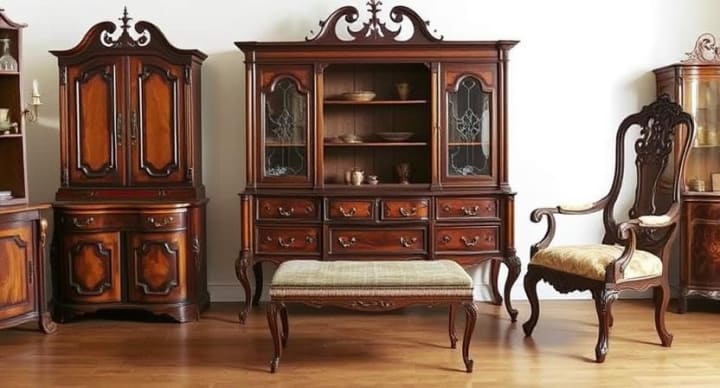
Moreover, restoring antique furniture can be an eco-friendly choice. Rather than discarding old furniture, restoration allows for the reuse of materials, reducing waste and lessening the environmental impact. Additionally, antique pieces are often of higher quality than modern mass-produced furniture, meaning they can be more durable and long-lasting once restored.
Conclusion
Furniture restoration is a delicate and thoughtful process that breathes new life into antique pieces. Whether it’s a beloved family heirloom or a rare find at an estate sale, restoration can revitalize a piece of furniture, allowing it to continue being used and appreciated for many more years. In restoring these treasures, we preserve their beauty, functionality, and historical value, ensuring that the artistry and craftsmanship of the past continue to be enjoyed for generations to come.
About the Creator
Keep reading
More stories from Opaa Homes and writers in Education and other communities.
Sustainably Sourced, Stylishly Designed: The Rise of Eco-Conscious Furniture
Over the past few years, eco-conscious furniture has seen a remarkable rise in popularity as more consumers recognize the environmental impact of their purchasing decisions. The growing awareness of sustainability has prompted a shift in the furniture industry, with an increasing number of consumers opting for furniture that is both functional and environmentally responsible. As the conversation around climate change and environmental preservation intensifies, people are becoming more mindful of their consumption patterns and are actively seeking out ways to reduce their carbon footprint.
By Opaa Homes10 months ago in Education
Smart Storage & Grading for U.S. Coin Collections: a Checklist
Phase 1: First Aid for Your Collection (The 24-Hour Triage) Before buying any special supplies, you need to perform some emergency triage. Think of this as stopping the bleeding. The goal here is to prevent any active damage right now.
By Laura Bennettabout 11 hours ago in Education
How Neuroscience Is Changing the Way We Learn
In recent decades, advances in neuroscience have reshaped our understanding of human learning. Rather than viewing learning as merely memorizing facts, researchers now see it as a biological process that physically and functionally changes the brain. This shift in perspective — from teaching content to understanding how the brain learns — is transforming educational theory, classroom practice, and lifelong learning strategies across the globe.
By Games Mode Onabout 10 hours ago in Education
Ludacris and Nelly draw backlash over bookings at MAGA-coded music festival
Ludacris and Nelly headlining a mostly right-wing event is good for them. It’s also great for the genre of hip hop. The two rap veterans have showcased their talents on other stages. Why can’t they perform for mostly MAGA folks and grab that bag?
By Skyler Saunders4 days ago in Beat



Comments
There are no comments for this story
Be the first to respond and start the conversation.