
Sustainably Sourced, Stylishly Designed: The Rise of Eco-Conscious Furniture
Blending Sustainability with Elegance: The New Wave of Green Furniture

Over the past few years, eco-conscious furniture has seen a remarkable rise in popularity as more consumers recognize the environmental impact of their purchasing decisions. The growing awareness of sustainability has prompted a shift in the furniture industry, with an increasing number of consumers opting for furniture that is both functional and environmentally responsible. As the conversation around climate change and environmental preservation intensifies, people are becoming more mindful of their consumption patterns and are actively seeking out ways to reduce their carbon footprint.
The growing demand for sustainable furniture has prompted manufacturers to innovate and adapt to these new preferences. Consumers now value products that align with their values, and eco-friendly furniture fits seamlessly into this demand. As a result, more brands and designers are focusing on offering sustainable products, and many are even integrating eco-friendly certifications and labels into their products to highlight their commitment to sustainability. This shift in consumer behavior is shaping the future of the furniture industry, with sustainability playing a key role in product design and material selection.

Materials That Make a Difference
A significant factor driving the growth of eco-conscious furniture is the use of responsibly sourced materials. Reclaimed wood, bamboo, and FSC-certified timber are just a few examples of materials that contribute to reducing environmental impact. These materials help reduce the demand for virgin resources, ensuring that forests and ecosystems are preserved for future generations. By utilizing reclaimed or recycled materials, the furniture industry can reduce waste and the energy needed for production, making it a more sustainable choice.
Additionally, many eco-conscious furniture brands prioritize using non-toxic finishes, paints, and adhesives, which reduces harmful chemicals in the production process and makes the furniture safer for consumers. Biodegradable materials, such as natural fibers and organic cotton, are also being incorporated into designs, ensuring that the entire lifecycle of the furniture—from production to disposal—is as environmentally friendly as possible.

These materials are not only better for the environment but also contribute to creating products that are durable and long-lasting. The emphasis on quality and sustainability ensures that the furniture lasts longer, reducing the need for replacements and, in turn, decreasing the amount of waste generated.
Design Meets Sustainability
One of the most exciting aspects of the rise of eco-conscious furniture is how sustainability and design are blending together. No longer do consumers have to choose between style and sustainability; today’s furniture offers both. Designers are embracing a more innovative approach, combining eco-friendly materials with sleek, modern aesthetics to create functional and stylish pieces that enhance home interiors. From minimalist designs to rustic, bohemian-inspired looks, sustainable furniture options are available to match a wide range of personal styles.
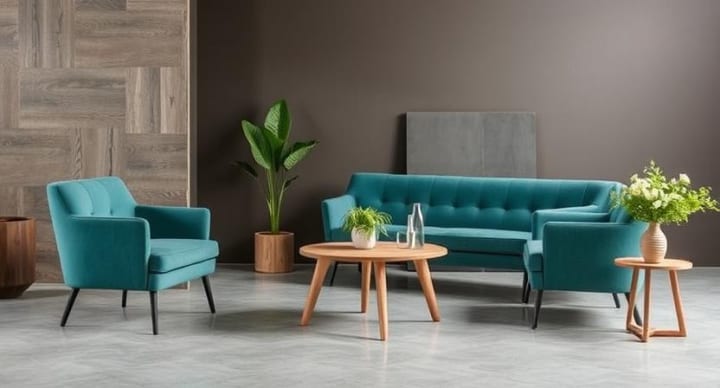
Incorporating sustainability into design doesn’t mean sacrificing beauty or quality. In fact, many designers are finding that the unique properties of eco-friendly materials, such as the rich textures of reclaimed wood or the natural warmth of bamboo, result in furniture that has a distinct, timeless charm. These pieces often become statement items within a home, adding both character and a sense of purpose to any space.
Furthermore, the growing trend of upcycling and repurposing materials has led to the creation of custom, one-of-a-kind pieces, giving consumers even more options to express their personal style while being mindful of the environment.

The Future of Eco-Conscious Furniture
As sustainability continues to gain traction, the eco-conscious furniture market is poised for significant growth. Today’s consumers are not only making more environmentally responsible choices but are also proving that sustainability and style can go hand in hand. The trend reflects a broader societal shift towards more sustainable living, where people are actively seeking ways to reduce their environmental impact and make more informed choices.
Looking ahead, the demand for eco-conscious furniture is expected to grow even further, with more companies adopting sustainable practices and materials. Brands are increasingly focusing on creating products that have a minimal environmental footprint, from the sourcing of materials to the manufacturing process and even to the packaging. As innovation continues in the design and production of sustainable furniture, consumers can expect more affordable, stylish, and eco-friendly options in the marketplace.

In conclusion, the rise of eco-conscious furniture marks a significant change in consumer behavior and the way we think about the products we use in our daily lives. By prioritizing sustainability, the furniture industry is not only helping to protect the planet but also creating products that are both functional and aesthetically pleasing. As more people embrace this shift toward greener choices, the future of furniture is bound to be both stylish and sustainable.
About the Creator
Keep reading
More stories from Opaa Homes and writers in Education and other communities.
How Digital Twin Technology is Changing Furniture Manufacturing
Digital twin technology is revolutionizing various industries by providing a virtual replica of physical assets, systems, or processes. In the context of furniture manufacturing, digital twin technology is transforming how companies design, produce, and manage their products. By creating digital models of physical furniture items and their production processes, manufacturers can enhance efficiency, reduce costs, improve customization, and streamline maintenance.
By Opaa Homes10 months ago in Education
Why Certification Protects Transcription Careers in the Age of AI
Artificial Intelligence has rapidly transformed the transcription industry. Speech-to-text tools now promise instant results, lower costs, and effortless productivity. For businesses focused purely on speed, AI often appears to be the perfect solution. However, beneath this promise lies a critical reality: speed without accuracy creates risk.
By Mahesh Kumar7 days ago in Education
How Japan Saved Its Biggest City from Collapse
400 years ago, modern-day Tokyo was known as Edo, and it was already one of the biggest cities in the world, with a population approaching 1 million. However, it was on the verge of ecological collapse. Years of intense logging had led to massive deforestation. The city now faced timber shortages and the impacts of severe erosion and frequent flooding that threatened food supplies. But over just a few decades, Edo will transform and become one of the most sustainable and efficient cities in history.
By Munesh Yadavabout 16 hours ago in Education




Comments
There are no comments for this story
Be the first to respond and start the conversation.