
Calibration Services for Maintaining Instrument Performance and Traceability
Supporting Regulatory Compliance and Process Integrity

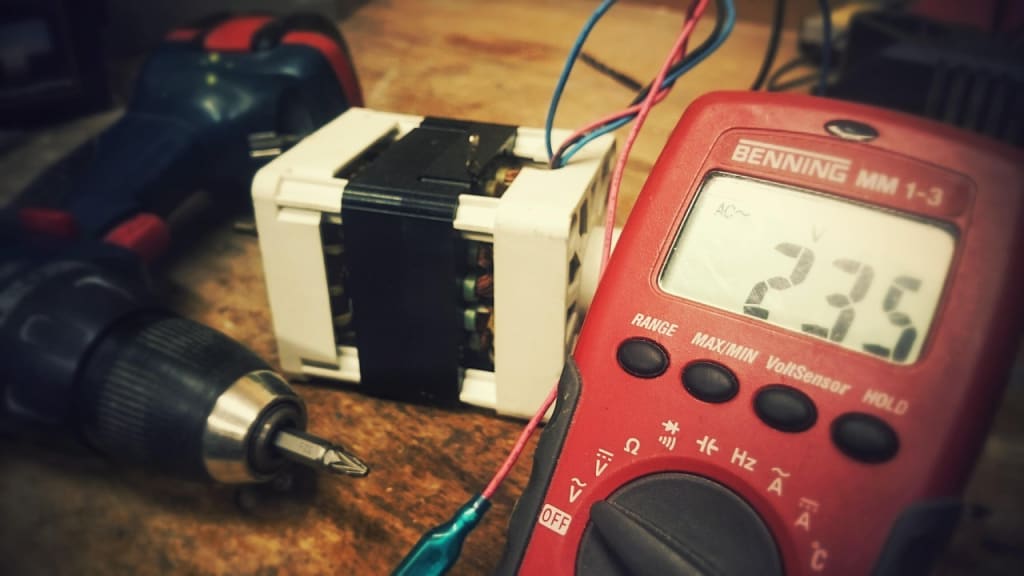
In today’s highly regulated and technology-driven world, accurate measurement is essential for quality, safety, and efficiency. From manufacturing plants and laboratories to healthcare facilities and energy operations, organizations rely heavily on instruments to measure temperature, pressure, flow, electrical signals, and countless other parameters. Calibration services play a critical role in ensuring that these instruments deliver precise and reliable results.
This article provides a comprehensive and easy-to-understand explanation of calibration services, their importance, types, processes, industry applications, benefits, challenges, and future trends.
What Are Calibration Services?
Calibration services market involve the comparison of a measuring instrument’s output against a known reference standard to determine accuracy. If deviations are found, adjustments are made to bring the instrument within acceptable limits. The reference standards used in calibration are traceable to national or international standards, ensuring consistency and reliability.
In simple terms, calibration confirms that a measuring device is giving correct readings and performing as expected. Without proper calibration, even high-quality instruments can produce inaccurate results over time due to wear, environmental conditions, or mechanical drift.
Why Calibration Services Are Important
Accurate measurement is the foundation of quality control, safety assurance, and regulatory compliance. Calibration services are essential because they:
• Ensure consistent and reliable measurement results
• Support compliance with international standards and regulations
• Reduce product defects and operational errors
• Improve process efficiency and productivity
• Enhance safety in critical operations
• Protect brand reputation and customer trust
In industries where small measurement errors can lead to major consequences, calibration is not optional—it is a necessity.
How Calibration Works
The calibration process follows a systematic and documented approach:
1. Instrument Identification
The instrument is identified by model, serial number, range, and application.
2. Comparison with Reference Standard
The instrument’s readings are compared with a calibrated reference standard under controlled conditions.
3. Measurement and Evaluation
Any deviation from the reference value is measured and evaluated against defined tolerances.
4. Adjustment (If Required)
If the instrument is outside acceptable limits, adjustments are made to restore accuracy.
5. Verification and Documentation
Final measurements are recorded, and a calibration certificate is issued.
This process ensures transparency, traceability, and repeatability.
Types of Calibration Services
Calibration services cover a wide range of measurement disciplines:
1. Mechanical Calibration
Includes calibration of:
• Pressure gauges and transmitters
• Torque tools
• Weighing scales and balances
• Dimensional measuring tools
Mechanical calibration is widely used in manufacturing, construction, and energy sectors.
2. Electrical Calibration
Involves instruments measuring electrical parameters such as:
• Voltage, current, and resistance
• Power and frequency
• Oscilloscopes and multimeters
Electrical calibration is critical for electronics, power generation, and telecommunications industries.
3. Temperature Calibration
Ensures accurate measurement of temperature using devices such as:
• Thermocouples
• Resistance temperature detectors (RTDs)
• Infrared thermometers
• Data loggers
Temperature calibration is essential in pharmaceuticals, food processing, and laboratories.
4. Flow Calibration
Used to verify the accuracy of flow meters measuring liquids and gases, commonly applied in oil & gas, water treatment, and chemical processing industries.
5. Dimensional Calibration
Focuses on precision measurement tools such as calipers, micrometers, and gauges, ensuring accuracy in manufacturing and machining processes.
Calibration Standards and Traceability
Calibration services must comply with recognized standards to ensure credibility and acceptance.
Common standards include:
• ISO/IEC 17025 – General requirements for calibration laboratories
• ISO 9001 – Quality management systems
• NIST (USA) traceability
• UKAS, NABL, and other national accreditation bodies
Traceability means that calibration results can be linked back to primary standards through an unbroken chain of comparisons, providing confidence in measurement accuracy.
On-Site vs Laboratory Calibration Services
On-Site Calibration
Performed at the client’s location, ideal for:
• Large or fixed equipment
• Reducing downtime
• Critical operational environments
Laboratory Calibration
Conducted in controlled laboratory conditions, offering:
• Higher accuracy
• Stable environmental controls
• Advanced reference standards
Organizations often choose a combination of both approaches based on operational needs.
Industries That Rely on Calibration Services
Calibration services are essential across numerous industries:
• Manufacturing and Engineering
• Oil and Gas
• Pharmaceuticals and Healthcare
• Food and Beverage
• Aerospace and Defense
• Power and Utilities
• Research and Testing Laboratories
Each industry has unique calibration requirements driven by safety, quality, and regulatory demands.
Benefits of Professional Calibration Services
Improved Accuracy and Consistency
Regular calibration ensures instruments provide consistent results over time.
Regulatory Compliance
Many industries are legally required to maintain calibrated equipment to meet audit and certification requirements.
Reduced Risk and Downtime
Accurate instruments reduce process failures, rework, and unplanned shutdowns.
Cost Savings
Early detection of measurement errors helps prevent costly defects and recalls.
Enhanced Customer Confidence
Reliable measurement supports product quality and builds trust with customers.
Calibration Frequency and Scheduling
Calibration frequency depends on factors such as:
• Instrument type and usage
• Manufacturer recommendations
• Industry regulations
• Environmental conditions
• Historical performance data
Establishing a calibration schedule helps organizations maintain control and prevent unexpected failures.
Common Challenges in Calibration Services
Instrument Downtime
Poor planning can disrupt operations when instruments are unavailable for calibration.
Environmental Influences
Temperature, humidity, and vibration can affect calibration accuracy.
Documentation and Record Management
Incomplete records can lead to audit failures and compliance issues.
Cost Management
Balancing calibration frequency with operational costs requires careful planning.
Role of Digitalization in Calibration Services
Modern calibration services increasingly use digital tools such as:
• Calibration management software
• Automated data collection
• Cloud-based record storage
• Digital calibration certificates
These technologies improve efficiency, accuracy, and traceability while reducing paperwork.
Future Trends in Calibration Services
The calibration industry continues to evolve with technological advancements and regulatory changes.
Key trends include:
• Increased automation and remote calibration
• Integration with Industry 4.0 systems
• Growing demand for accredited calibration services
• Expansion of calibration needs in renewable energy and advanced manufacturing
As measurement systems become more complex, the demand for specialized calibration expertise will continue to grow.
Choosing the Right Calibration Service Provider
When selecting a calibration service provider, organizations should consider:
• Accreditation and certifications
• Technical expertise and industry experience
• Turnaround time and flexibility
• Quality of documentation
• Customer support and reliability
A trusted provider becomes a long-term partner in quality and compliance.
Conclusion
Calibration services are a vital component of modern industrial and laboratory operations. By ensuring measurement accuracy, regulatory compliance, and operational efficiency, calibration supports quality, safety, and performance across industries. Regular and professional calibration not only protects equipment and processes but also strengthens organizational credibility and customer confidence.
As technology advances and regulatory requirements become more stringent, calibration services will remain an essential foundation for reliable measurement and sustainable business operations.
About the Creator
Bobby Yadav
Experienced research analyst with a strong background in market research, data analysis, and industry trend evaluation. Skilled in delivering actionable insights, market forecasts, and strategic recommendations to support business growth.
Keep reading
More stories from Bobby Yadav and writers in Education and other communities.
Foreign Exchange Systems Supporting International Trade and Finance
The foreign exchange market, commonly known as the Forex or FX market, is the backbone of the global financial system. Every day, trillions of dollars are exchanged as individuals, corporations, financial institutions, and governments trade currencies to support international trade, investment, travel, and economic stability. Unlike stock markets, the foreign exchange market operates continuously across time zones, making it the most liquid and dynamic financial market in the world.
By Bobby Yadavabout 4 hours ago in Education
Cultivating Resilient and Adaptable Mindsets for Entrepreneurial Success
Entrepreneurship is often portrayed as a path defined by innovation and independence, yet the reality is far more demanding. Entrepreneurs must navigate uncertainty, withstand repeated setbacks, and make decisions in rapidly changing environments. Success rarely follows a straight line, and challenges can arise without warning. In such conditions, resilience and adaptability become essential, not optional, competencies.
By Greg Warnockabout 4 hours ago in Education
Morgan Silver Dollars: A Beginner's Guide to Identifying Key Dates and Mint Marks
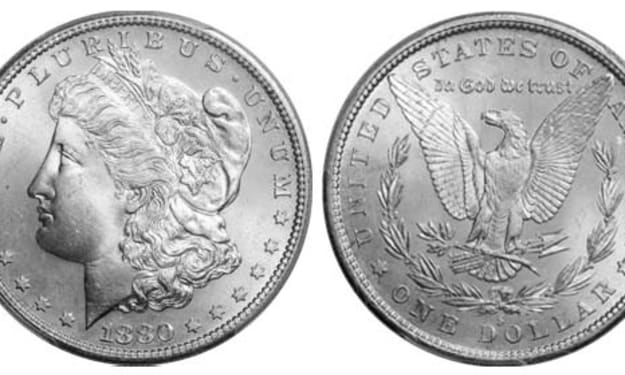
For over eight years as a Senior Numismatic Analyst, I've seen the glint in a new collector's eye when they hold their first Morgan Silver Dollar. It's a powerful feeling—the weight of 90% pure silver, the history in Lady Liberty's profile, the sheer size of America's most iconic coin. Yet, with hundreds of millions minted across 27 years and five mints, it's easy to feel overwhelmed. A common 1921 Morgan might be worth $50, while a pristine 1895 Proof commands over $100,000. The difference lies in the tiny details of dates and mint marks. This guide will give you the foundational map to navigate this classic series, turning confusion into confident identification.
By Laura Bennett6 days ago in Education



Comments
There are no comments for this story
Be the first to respond and start the conversation.