
Foreign Exchange Systems Supporting International Trade and Finance
Foreign Exchange and International Monetary Systems

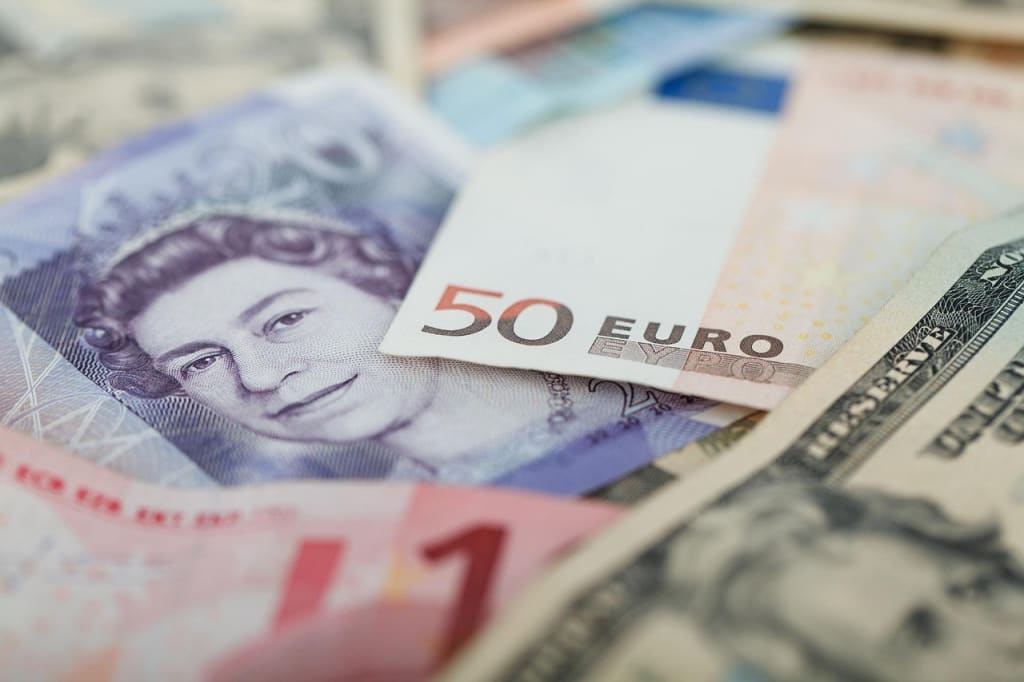
The foreign exchange market, commonly known as the Forex or FX market, is the backbone of the global financial system. Every day, trillions of dollars are exchanged as individuals, corporations, financial institutions, and governments trade currencies to support international trade, investment, travel, and economic stability. Unlike stock markets, the foreign exchange market operates continuously across time zones, making it the most liquid and dynamic financial market in the world.
This article provides a detailed and easy-to-understand explanation of the foreign exchange market, its structure, participants, key drivers, benefits, risks, and future outlook.
What Is the Foreign Exchange Market?
The foreign exchange market is a global decentralized marketplace where currencies are bought and sold. Its primary purpose is to enable currency conversion, allowing international transactions to take place smoothly. Whether a company imports goods, a tourist travels abroad, or an investor trades global assets, foreign exchange plays a critical role.
Currencies are traded in pairs, such as USD/EUR or GBP/JPY, where one currency is exchanged for another. The price of a currency pair reflects how much of the quote currency is needed to purchase one unit of the base currency.
Size and Importance of the Forex Market
The foreign exchange market is the largest financial market in the world, far exceeding equity and bond markets in daily trading volume. Its size and liquidity make it highly efficient, with tight spreads and rapid execution.
The market’s importance stems from its role in:
• Facilitating global trade and commerce
• Supporting international investment flows
• Enabling central banks to manage monetary policy
• Allowing businesses to hedge against currency risk
Because currencies influence inflation, interest rates, and economic growth, the forex market has a direct impact on global economic stability.
How the Foreign Exchange Market Works
Unlike centralized exchanges such as stock markets, forex operates through a network of banks, brokers, and financial institutions connected electronically. Trading takes place over-the-counter (OTC), meaning transactions occur directly between participants.
Market Hours
The forex market operates 24 hours a day, five days a week, following the global financial centers:
• Sydney Session
• Tokyo Session
• London Session
• New York Session
This continuous operation ensures constant liquidity and price discovery.
Major Participants in the Forex Market
1. Central Banks
Central banks play a vital role in the foreign exchange market. They influence currency values through:
• Interest rate decisions
• Monetary policy
• Direct market intervention
Examples include the Federal Reserve (USA), European Central Bank (ECB), and Bank of Japan.
2. Commercial Banks and Financial Institutions
Large banks dominate forex trading volume. They facilitate currency exchange for clients and trade on their own accounts. Interbank trading sets benchmark exchange rates used worldwide.
3. Corporations and Multinational Companies
Businesses involved in international trade use the forex market to:
• Pay suppliers in foreign currencies
• Receive payments from overseas customers
• Hedge against exchange rate fluctuations
Currency movements can significantly affect corporate profits.
4. Institutional Investors
Hedge funds, asset managers, and pension funds trade forex for diversification, speculation, and risk management.
5. Retail Traders
Advancements in online trading platforms have enabled individual traders to participate in forex markets. Retail trading has grown rapidly due to accessibility, leverage, and real-time market data.
Types of Foreign Exchange Markets
1. Spot Market
The spot market involves the immediate exchange of currencies at current market prices. Most retail forex trading occurs in this market.
2. Forward Market
In the forward market, contracts are used to exchange currencies at a predetermined rate on a future date. Businesses commonly use forwards to hedge currency risk.
3. Futures Market
Currency futures are standardized contracts traded on exchanges. They offer transparency and regulatory oversight.
4. Options Market
Forex options give traders the right, but not the obligation, to exchange currencies at a specified price before a certain date.
Key Factors Influencing Exchange Rates
1. Interest Rates
Interest rates are one of the most influential drivers of currency value. Higher interest rates tend to attract foreign capital, strengthening the currency.
2. Inflation
Low and stable inflation generally supports a strong currency, while high inflation reduces purchasing power and weakens currency value.
3. Economic Growth and GDP
Countries with strong economic performance typically experience higher demand for their currency.
4. Political Stability and Geopolitical Events
Political uncertainty, elections, conflicts, and policy changes can cause sharp currency movements.
5. Market Sentiment and Speculation
Trader expectations and risk appetite significantly influence short-term currency fluctuations.
Advantages of the Foreign Exchange Market
High Liquidity
Forex’s massive trading volume ensures easy entry and exit with minimal price distortion.
Accessibility
Online platforms allow traders to participate with relatively low capital requirements.
24-Hour Trading
Continuous trading enables participation across global time zones.
Leverage Opportunities
Forex brokers offer leverage, allowing traders to control larger positions with smaller investments (though this increases risk).
Diverse Trading Opportunities
Traders can profit from rising or falling markets by buying or selling currency pairs.
Risks and Challenges in Forex Trading
Market Volatility
Exchange rates can change rapidly due to economic news or geopolitical events.
Leverage Risk
While leverage magnifies gains, it also amplifies losses, potentially exceeding initial investment.
Emotional and Psychological Pressure
Forex trading requires discipline, patience, and risk management.
Regulatory Differences
Forex regulations vary by country, making broker selection critical.
Role of Technology in the Forex Market
Technology has transformed foreign exchange trading, making it faster, more transparent, and more accessible.
Key advancements include:
• Electronic trading platforms
• Algorithmic and high-frequency trading
• Mobile trading applications
• Artificial intelligence and data analytics
These tools enhance efficiency and improve decision-making for traders and institutions alike.
Forex Market and the Global Economy
The foreign exchange market is deeply connected to the global economy. Currency movements affect:
• Export and import competitiveness
• Inflation and interest rates
• Capital flows and investment decisions
Strong or weak currencies can reshape global trade dynamics and economic growth.
Regulation and Oversight
To ensure market integrity, forex trading is regulated by financial authorities such as:
• CFTC and NFA (USA)
• FCA (UK)
• ASIC (Australia)
• ESMA (European Union)
Regulation protects traders from fraud and promotes transparency.
Future Outlook of the Foreign Exchange Market
The foreign exchange market continues to evolve due to globalization, digitalization, and economic integration. Key future trends include:
• Increased use of AI and automation
• Growth in emerging market currencies
• Expansion of digital and central bank digital currencies (CBDCs)
• Greater regulatory harmonization
As global trade and cross-border investment expand, demand for foreign exchange services will continue to grow.
Conclusion
The foreign exchange market is a vital component of the global financial ecosystem. Its size, liquidity, and continuous operation make it unique among financial markets. From enabling international trade to providing investment and hedging opportunities, forex plays a central role in economic activity worldwide.
While the market offers significant opportunities, it also involves risks that require knowledge, discipline, and proper risk management. As technology advances and global economies become increasingly interconnected, the foreign exchange market will remain a cornerstone of the modern financial system.
About the Creator
Bobby Yadav
Experienced research analyst with a strong background in market research, data analysis, and industry trend evaluation. Skilled in delivering actionable insights, market forecasts, and strategic recommendations to support business growth.
Keep reading
More stories from Bobby Yadav and writers in Education and other communities.
Analytical Overview of Foreign Exchange Trading and Market Mechanisms
Foreign exchange, commonly referred to as Forex or FX, is the largest and most liquid financial market in the world. Every day, trillions of dollars are exchanged globally, involving currencies such as the US Dollar (USD), Euro (EUR), Japanese Yen (JPY), and many more. Understanding how foreign exchange works is essential for traders, businesses, and investors who seek to benefit from currency movements or hedge risks.
By Bobby Yadavabout 6 hours ago in Education
Menu Boards for Cafés: Design Ideas and Benefits
I'll never forget the first time I walked into a local coffee shop that had just upgraded from their hand-written chalkboard to a sleek digital menu display. The difference was striking—not just visually, but in how quickly I could scan the menu, see vibrant images of specialty drinks, and notice the seasonal promotions rotating in the corner. That experience opened my eyes to how much menu presentation actually matters in café environments.
By Jerry Kane a day ago in Education
Mastering the Mental Game: Pro Poker Strategies to Eliminate Tilt for Good
Avoiding tilt is one of the most crucial elements for long-term success in poker. Tilt, the emotional state that leads to poor decision-making, can unravel even the most skilled player’s efforts. Professional poker players understand that maintaining a calm, composed mindset is as important as knowing the odds or mastering bluffing techniques. Here’s how the best in the game stay mentally sharp and emotionally resilient.
By Micah Raskin Poker 5 days ago in Education



Comments
There are no comments for this story
Be the first to respond and start the conversation.