
AI in Entertainment: Creativity or Conformity?
Does Smart Tech Stifle Human Imagination?

Introduction
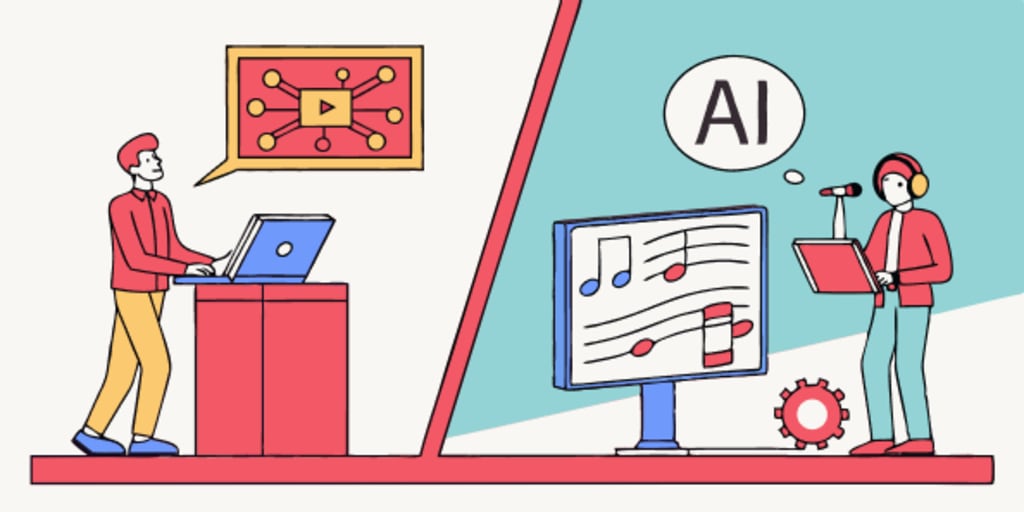
The integration of artificial intelligence (AI) into the entertainment industry has sparked intense debate about its impact on human creativity. While AI offers unprecedented opportunities for efficiency and innovation, it also raises concerns about whether it might stifle the very essence of human imagination. This article explores the dual nature of AI in entertainment, examining both its potential to enhance creativity and its risks of promoting conformity.
AI as a Creative Tool
Enhancing Human Creativity
AI is increasingly being used as a tool to augment human creativity rather than replace it. For example, in the film industry, AI tools like Runway AI's green screen technology and stable diffusion were used to create otherworldly scenes in the Academy Award-winning film "Everything Everywhere All at Once." This technology allowed the small visual effects team to achieve high-quality results within tight deadlines, enhancing the creative process without diminishing the human touch. Similarly, in music composition, AI tools like Soundverse's Text-to-Music enable filmmakers to generate quick drafts of scores, allowing directors to experiment with different emotional tones and styles efficiently.
Democratizing Access
AI has democratized access to high-quality production tools, enabling independent creators to produce content that rivals the work of major studios. For instance, the sci-fi thriller Zone Out used AI-generated atmospheric music to create its eerie tone, proving that even low-budget productions can achieve cinematic quality. This democratization allows a broader range of voices and perspectives to emerge in the entertainment industry.
Risks of Conformity
Algorithmic Bias and Homogenization
AI algorithms, when over-relied upon, risk promoting homogenized content. Since AI often gravitates toward familiar patterns or overused tropes, this can lead to music or visual effects that lack originality. To counter this, creators must use AI as a tool for inspiration rather than a crutch, ensuring that their unique voice and creativity remain at the forefront of the creative process.
Loss of Human Cultural Production
As AI systems generate more content, there is a risk of marginalizing human creativity. The rise of AI influencers, AI-generated art, and automated storytelling challenges the role of human authorship in creative industries. This shift raises ethical and epistemological questions about the value of human creativity and the authenticity of cultural production.
Ethical and Legal Considerations
Ownership and Copyright
The use of AI in content creation raises significant legal questions about ownership and copyright. The U.S. Copyright Office has provided guidance that human contributions to AI-generated works must be analyzed on a case-by-case basis to determine authorship. This ensures that human creators are recognized and compensated for their contributions, even when AI plays a role in the creative process.
Fair Compensation and Control
Platforms and tools that integrate AI must ensure fair compensation for human creators and maintain their control over the creative process. For example, the Screen Actors Guild-American Federation of Television and Radio Artists (SAG-AFTRA) has entered into agreements that allow performers to deploy their digital replicas safely while retaining full control over their AI voice models.
Conclusion
AI has the potential to revolutionize the entertainment industry by enhancing efficiency, democratizing access, and providing new tools for creativity. However, its integration must be carefully managed to avoid stifling human imagination and promoting conformity. By fostering ethical practices, ensuring fair compensation, and maintaining human control, the entertainment industry can harness AI's benefits while preserving the essence of human creativity. The future of entertainment depends on a balanced approach where technology and humanity work together to create meaningful and diverse cultural experiences.
Recommended books
Genesis: Artificial Intelligence, Hope, and the Human Spirit
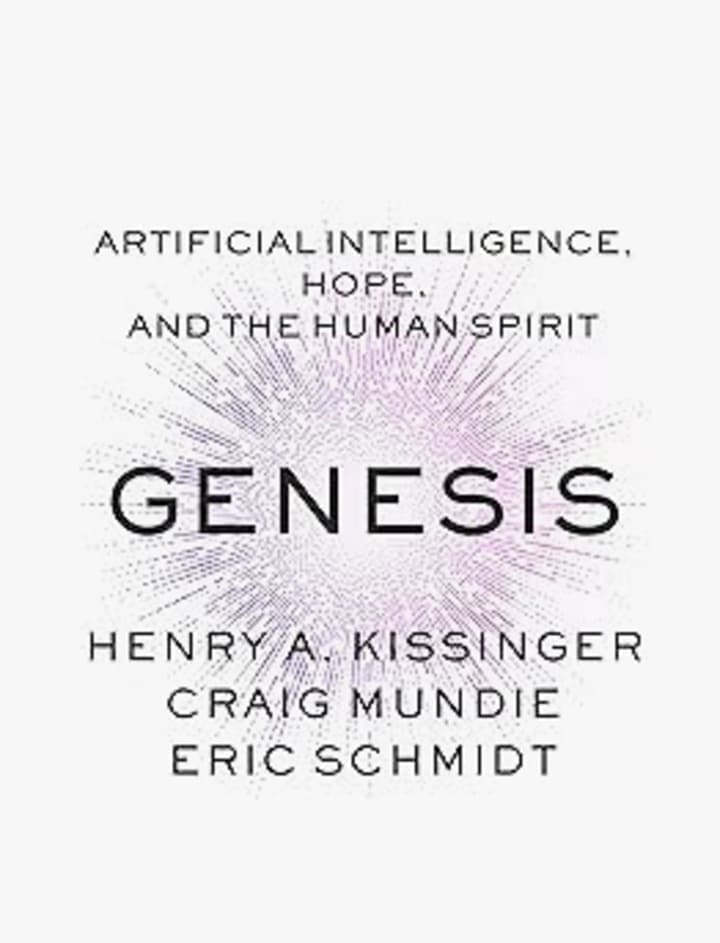
As Artificial Intelligence (AI) becomes more dynamic and ubiquitous, it is dramatically empowering people in all walks of life while also giving rise to urgent questions about the future of humanity—a historic challenge whose contours and consequences are revealed by three eminent thinkers in Genesis.
About the Author: With over a decade of experience as an internet product architect, I’ve spent my career crafting innovative application solutions that bridge technology and real-world needs. Now, as a passionate advocate for artificial intelligence, I focus on exploring its transformative applications. I’m committed to pushing the boundaries of AI to empower lives and shape a smarter future. Join me on this exciting journey as we uncover the endless possibilities of intelligent technology.
About the Creator
roc chiang
I'm a tech enthusiast and entrepreneur based in Vancouver. I share original articles on technology, business and other related topics on social media to showcase my passion and insights.
Editor-in-Chief:fengtou.ca
Keep reading
More stories from roc chiang and writers in Education and other communities.
AI Assistants: Helpful or Overbearing?
Introduction The integration of artificial intelligence (AI) assistants into daily life has transformed how we interact with technology, offering unprecedented convenience and efficiency. However, this convenience raises critical questions about whether AI assistants are subtly eroding human autonomy and critical thinking. This article explores the dual nature of AI assistants, examining their benefits and the risks of overreliance.
By roc chiang9 months ago in Education
Smart Storage & Grading for U.S. Coin Collections: a Checklist
Phase 1: First Aid for Your Collection (The 24-Hour Triage) Before buying any special supplies, you need to perform some emergency triage. Think of this as stopping the bleeding. The goal here is to prevent any active damage right now.
By Laura Bennetta day ago in Education
How Neuroscience Is Changing the Way We Learn
In recent decades, advances in neuroscience have reshaped our understanding of human learning. Rather than viewing learning as merely memorizing facts, researchers now see it as a biological process that physically and functionally changes the brain. This shift in perspective — from teaching content to understanding how the brain learns — is transforming educational theory, classroom practice, and lifelong learning strategies across the globe.
By Games Mode On2 days ago in Education



Comments
There are no comments for this story
Be the first to respond and start the conversation.