
AI Assistants: Helpful or Overbearing?
Are Smart Devices Taking Over Our Lives?


Introduction
The integration of artificial intelligence (AI) assistants into daily life has transformed how we interact with technology, offering unprecedented convenience and efficiency. However, this convenience raises critical questions about whether AI assistants are subtly eroding human autonomy and critical thinking. This article explores the dual nature of AI assistants, examining their benefits and the risks of overreliance.
AI Assistants as Helpful Tools
Enhancing Efficiency and Convenience
AI assistants like Alexa and Siri have become integral to modern life, streamlining tasks such as scheduling, answering questions, and controlling smart home devices. These tools free up cognitive resources, allowing users to focus on more creative or complex tasks. For example, AI assistants can help users plan travel, manage finances, and automate routine tasks, significantly improving productivity.
Democratizing Access to Information
AI assistants democratize access to information and services, making advanced tools available to a broader range of users. This is particularly beneficial for individuals with disabilities or limited resources, enabling greater independence and participation in daily activities.
Risks of Overreliance
Cognitive Decline and Loss of Autonomy
Research indicates that overreliance on AI assistants can lead to a decline in critical thinking and problem-solving abilities. A study by Microsoft and Carnegie Mellon University found that frequent users of AI tools often experience reduced engagement in deep, reflective thinking, potentially weakening their ability to independently solve problems. This cognitive decline is exacerbated when individuals rely on AI for tasks that require creativity or judgment.
The Illusion of Control
AI assistants often create an illusion of control, where users believe they are making autonomous decisions, but in reality, they are being guided by AI recommendations. This phenomenon, known as "control illusion," can lead to increased dependency and reduced awareness of decision-making processes.
Emotional and Social Impact
Overuse of AI assistants may also lead to emotional dependency, where individuals rely on AI for companionship or validation. This can erode real human connections and contribute to social isolation. Additionally, AI assistants may struggle to understand nuanced emotional cues, limiting their ability to provide meaningful emotional support.
Balancing Convenience and Autonomy
Mindful Use of AI
The key to harnessing AI's benefits while preserving human autonomy lies in mindful usage. Users should critically evaluate when and how they rely on AI assistants, ensuring that they retain control over decision-making processes. For example, using AI for routine tasks while reserving complex decisions for human judgment can strike a healthy balance.
Education and Critical Thinking
Promoting digital literacy and critical thinking skills is essential to ensure that users understand the limitations of AI assistants. Education can empower individuals to use AI tools effectively while maintaining their ability to think independently and critically assess AI outputs.
Conclusion
AI assistants offer remarkable convenience and efficiency but also pose significant risks to human autonomy and critical thinking. By fostering mindful usage, promoting digital literacy, and maintaining a balance between AI assistance and human judgment, we can harness the benefits of AI while preserving the essence of human creativity and independence. The future of AI integration depends on a thoughtful approach where technology enhances rather than replaces our ability to think and act freely.
Recommended books
Genesis: Artificial Intelligence, Hope, and the Human Spirit
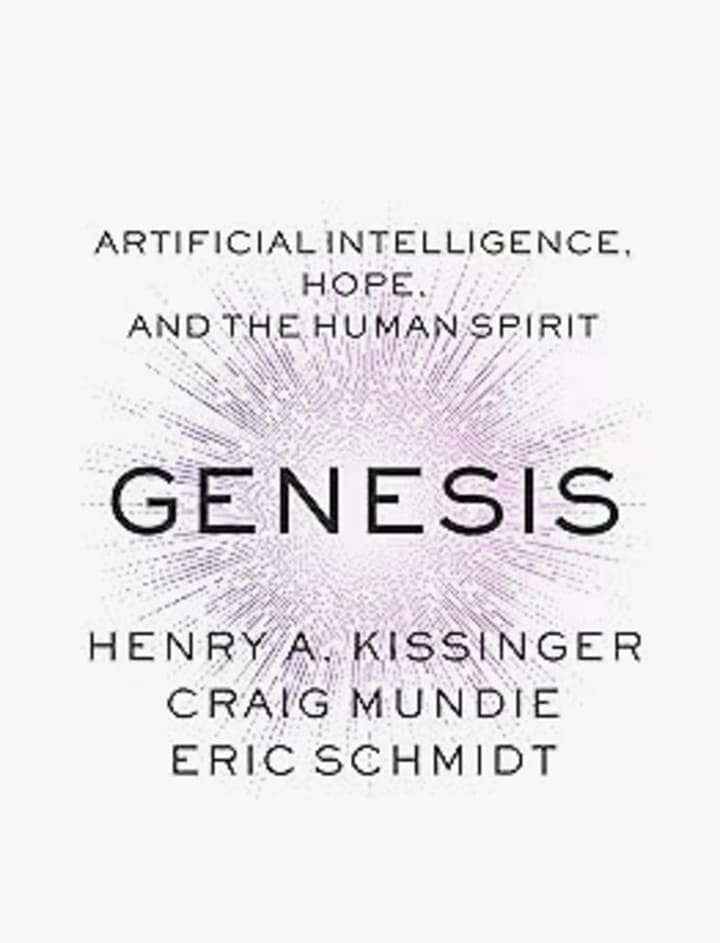
As Artificial Intelligence (AI) becomes more dynamic and ubiquitous, it is dramatically empowering people in all walks of life while also giving rise to urgent questions about the future of humanity—a historic challenge whose contours and consequences are revealed by three eminent thinkers in Genesis.
About the Author: With over a decade of experience as an internet product architect, I’ve spent my career crafting innovative application solutions that bridge technology and real-world needs. Now, as a passionate advocate for artificial intelligence, I focus on exploring its transformative applications. I’m committed to pushing the boundaries of AI to empower lives and shape a smarter future. Join me on this exciting journey as we uncover the endless possibilities of intelligent technology.
About the Creator
roc chiang
I'm a tech enthusiast and entrepreneur based in Vancouver. I share original articles on technology, business and other related topics on social media to showcase my passion and insights.
Editor-in-Chief:fengtou.ca
Keep reading
More stories from roc chiang and writers in Education and other communities.
AI in Education: Empowering or Controlling Students?
Introduction The integration of artificial intelligence (AI) into education has transformed traditional learning environments, offering unprecedented opportunities for personalized learning and efficiency. However, this technological advancement also raises critical ethical concerns, particularly regarding student privacy, autonomy, and the potential for surveillance. This article explores the dual nature of AI in education, examining its benefits and risks, and questioning whether AI is truly empowering students or subtly controlling them.
By roc chiang9 months ago in Education
The Confidence Advantage: How Transparent Communication Builds Lasting Investor Trust
Investor relationships thrive on more than financial returns. While performance attracts attention, trust sustains commitment over time. In an environment shaped by rapid information flow and shifting market conditions, transparency has become one of the most powerful tools for building and maintaining investor confidence. When organizations communicate clearly and consistently, they strengthen relationships that endure well beyond short-term results.
By Michael Christopher Venturino2 days ago in Education
Golf Handicap Reduction Without a Swing Overhaul: Smarter Ways to Play Better Golf
Lowering your handicap does not always require technical changes or hours on the range; it requires rebuilding your swing. Many golfers overlook the fact that scoring improvement often comes from strategic thinking, mental discipline, and better preparation. By focusing on how you play rather than how you swing, you can unlock consistent progress and enjoy the game more. This article explores practical, on-course methods that help you shoot lower scores while keeping your swing exactly as it is.
By Ian Schenkel Haliburton2 days ago in Education


Comments
There are no comments for this story
Be the first to respond and start the conversation.