
Your Comprehensive Guide to the Lares Trek to Machu Picchu
The Lares Trek to Machu Picchu is a beautiful Andean journey through stunning mountain landscapes and traditional villages, offering a quieter alternative to the Inca Trail. This trek combines breathtaking scenery, cultural encounters with local communities, and a rewarding visit to Machu Picchu. Perfect for those seeking a mix of adventure and cultural immersion, the Lares Trek provides a memorable experience that highlights the rich heritage and natural beauty of Peru.

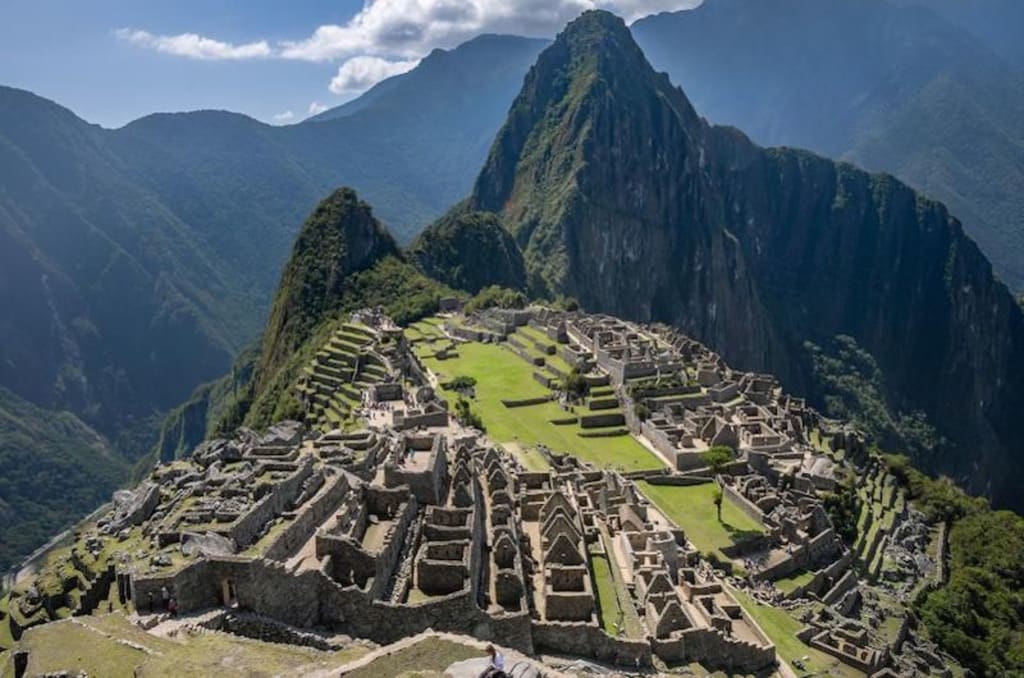
For those seeking a unique adventure through the Andes, the Lares Trek to Machu Picchu offers an incredible journey that combines breathtaking scenery, vibrant culture, and the stunning Inca ruins. Unlike the more popular Inca Trail, the Lares Trek takes travelers on a quieter, less-crowded route, passing through remote villages, shimmering lakes, and high mountain passes. This trek provides a special look into traditional Andean life, making it a memorable experience for anyone interested in exploring Peru’s rich heritage. Here’s a simple guide to help you plan your Lares Trek to Machu Picchu.
1. What is the Lares Trek?
The Lares Trek is a multi-day hike that leads through the beautiful Lares Valley in the Andes Mountains, eventually connecting to the legendary site of Machu Picchu. It’s known for its natural beauty, with scenic landscapes that include snow-capped mountains, clear lagoons, lush valleys, and farmlands. One of the highlights of the Lares Trek is that it passes through traditional Andean villages, where travelers can see locals weaving textiles, tending to llamas, and carrying on daily life much as they have for generations.
The Lares Trek offers various routes, so your journey can be customized based on your time, interests, and fitness level. Most routes take 3-4 days of hiking, followed by a visit to Machu Picchu on the last day.
2. What Makes the Lares Trek Special?
The Lares Trek is not only about reaching Machu Picchu; it’s about experiencing the journey itself. This trek is perfect for those who want to escape the crowds of the Inca Trail and enjoy a more serene and culturally enriching experience. A few things that make the Lares Trek special are:
Scenic Beauty: Hikers enjoy stunning Andean landscapes, from green valleys and waterfalls to towering mountain peaks.
Cultural Encounters: You’ll pass through remote villages where locals still wear traditional clothing and speak the Quechua language. It’s a unique opportunity to experience Andean culture up close.
Flexibility and Fewer Crowds: The Lares Trek is less regulated than the Inca Trail, so there’s more flexibility in planning the journey. Plus, there are fewer tourists, allowing for a more peaceful adventure.
3. How Challenging is the Lares Trek?
The Lares Trek is generally considered moderate in difficulty, though it can be challenging due to the high altitude. Most routes take trekkers to elevations over 4,000 meters (13,000 feet), so it’s important to be prepared for the thin air and take time to acclimate. While previous trekking experience is helpful, beginners who are physically fit and take time to acclimatize can also enjoy the trek.
Key points to consider:
Acclimatization: It’s best to spend a day or two in Cusco before starting the trek to adjust to the altitude.
Physical Condition: Prepare with some cardio exercises or hiking practice if you’re not a regular hiker.
Hydration: Staying hydrated is key to coping with altitude. Be sure to bring plenty of water and drink frequently.
4. What to Pack for the Lares Trek
Packing smartly can make a big difference in your trekking experience. Here’s a quick packing list for essentials:
Clothing: Layered clothing to adjust to changing temperatures, rain gear, warm socks, and a hat for sun and cold protection.
Hiking Boots: Comfortable, sturdy hiking boots with ankle support.
Sleeping Bag: Most treks include tents, but you’ll need a good-quality sleeping bag that’s rated for cold temperatures.
Sun Protection: Sunscreen, sunglasses, and a hat.
Snacks and Water: Although meals are usually provided by trekking agencies, it’s good to have high-energy snacks.
First Aid Kit: Basic first aid items, including altitude sickness medication if you’re prone to altitude symptoms.
5. The Route and Highlights of the Lares Trek
The Lares Trek has several routes, each offering unique views and experiences. The following is a general outline of the main highlights:
Day 1: Start from Cusco and travel to the village of Lares. From here, the trek usually begins with a gentle hike to the first campsite. Along the way, you’ll pass farms, meet locals, and see beautiful Andean scenery.
Day 2: This is typically the most challenging day, as you’ll reach the highest point of the trek, often above 4,400 meters (14,400 feet). From this vantage point, you’ll have incredible panoramic views of the mountains. After crossing the pass, you’ll descend to a lower campsite near a lake or in a village.
Day 3: The trek continues through valleys and villages, with time to interact with local communities. In the afternoon, you’ll complete the hike and catch a train or bus to Aguas Calientes, the town at the base of Machu Picchu.
Day 4: The highlight of the trip – a visit to Machu Picchu! Wake up early to catch the sunrise over this magnificent site, where you’ll have a guided tour and time to explore before heading back to Cusco.
6. Why Consider a Guided Tour?
Booking a guided trek can make the experience smoother, as many agencies arrange transportation, meals, permits, and equipment. A good guide can also enhance the trip with insights into the culture, history, and geography of the region.
While it’s possible to do the trek independently, a guided tour is often recommended for ease and safety, especially given the altitude and remote nature of the trail.
7. Final Tips for a Successful Lares Trek
Plan for the Weather: The weather in the Andes can change rapidly. Be prepared for sun, rain, and cold temperatures, especially at high altitudes.
Respect the Culture: The communities along the Lares Trek are traditional, and respecting their customs and environment is important.
Take Time at Machu Picchu: After days of trekking, it’s rewarding to take your time exploring Machu Picchu. Consider spending a night in Aguas Calientes to fully enjoy the site without rushing.
Conclusion
The Lares Trek to Machu Picchu is a rewarding way to experience the beauty and culture of the Andes. With its less-traveled routes, stunning scenery, and cultural encounters, it’s an adventure that offers a peaceful alternative to the busy Inca Trail. By preparing well, respecting the local communities, and taking the time to acclimatize, you can make this trek a truly unforgettable experience.
If you’re planning a trek to Machu Picchu and want a blend of adventure and cultural discovery, the Lares Trek could be your perfect choice. It’s not just about reaching Machu Picchu – it’s about enjoying every step along the way.
About the Creator
Happygringo Tours
Happy Gringo Tours offers the ultimate Machu Picchu Day Trip from Cusco, including round-trip Vistadome train, Aguas Calientes accommodation, and shuttle bus tickets straight to the citadel gates.
Keep reading
More stories from Happygringo Tours and writers in Earth and other communities.
Inca Trail Tours: A Journey Through History and Stunning Landscapes
The Inca Trail is one of the most famous treks in the world, offering travelers a unique opportunity to explore Peru’s rich cultural heritage and stunning natural beauty. This 4-day adventure takes hikers through ancient Inca sites, lush cloud forests, and breathtaking mountain views, all leading up to the awe-inspiring Machu Picchu. Whether you’re an experienced trekker or someone looking for a cultural experience, the Inca Trail has something to offer everyone.
By Happygringo Tours11 months ago in Earth
Inside Trump's $11 Billion Health Plan to Replace “Neo-Colonial” USAID
In the landscape of global health aid, few proposals have stirred as much debate as former President Donald Trump’s ambitious plan to restructure American assistance abroad. Dubbed an $11 billion health initiative aimed at replacing USAID’s current framework, the plan seeks to pivot away from what Trump and his allies have criticized as the “neo-colonial” approach of U.S. foreign aid. While the plan promises greater efficiency and impact, experts are split on whether it is a practical solution or a politically driven gamble. Trump’s Critique of USAID The United States Agency for International Development (USAID) has long been a central pillar of American foreign assistance, distributing billions in aid annually to address health crises, food insecurity, and development challenges worldwide. However, Trump’s administration and its supporters have often described USAID’s approach as bureaucratic, inefficient, and reflective of a “neo-colonial” mindset. In public statements, Trump argued that the U.S. was spending taxpayer dollars on programs that benefited foreign governments or contractors more than the intended local communities. Critics of the plan say that while USAID has flaws—as any large bureaucracy does—its extensive networks and decades of experience provide an unmatched capacity to deliver aid efficiently and safely. The Core of the $11 Billion Proposal At the heart of Trump’s proposal is an $11 billion fund designed to consolidate, modernize, and streamline U.S. health aid. Unlike the traditional USAID model, which relies heavily on long-term partnerships with governments and NGOs, the new plan emphasizes: Direct Impact Funding: Allocating resources to frontline health workers and local initiatives rather than intermediaries. Data-Driven Investments: Using real-time health data to target outbreaks and crises more efficiently. Private Sector Partnerships: Leveraging U.S. pharmaceutical companies, tech firms, and healthcare startups to deliver vaccines, treatments, and medical infrastructure. Shorter Program Cycles: Moving away from multi-year funding commitments in favor of more flexible, results-oriented programs. Proponents argue that this approach could reduce bureaucratic overhead and ensure U.S. aid reaches communities faster. By “cutting out the middlemen,” Trump supporters claim, America can avoid the pitfalls of slow-moving aid programs that sometimes fail to adapt to crises. Reactions from the Global Health Community Global health experts, however, have expressed concern about both the logistics and philosophy of the plan. Dr. Melissa Ortega, a senior researcher at the Global Health Policy Institute, explained, “The idea of bypassing established structures like USAID may sound appealing on paper, but in practice, it risks undermining decades of institutional knowledge. Health systems are complex, and short-term projects cannot replace long-term capacity building.” Some critics have also questioned the characterization of USAID as “neo-colonial.” While U.S. foreign aid has historically been tied to geopolitical interests, many programs today are designed collaboratively with recipient countries and local organizations. Reducing oversight could unintentionally increase the risk of misuse, corruption, or health inequities. On the other hand, supporters of Trump’s plan point to examples of inefficiency in USAID programs, citing cases where aid was delayed or mismanaged. By introducing more direct funding models, they argue, U.S. taxpayer dollars could achieve a higher “return on health outcomes.” Political Implications Trump’s health aid overhaul proposal is not just about international development—it is also deeply political. Framing USAID as a “neo-colonial” institution resonates with a populist narrative that America should prioritize its own citizens and assert greater control over how taxpayer money is spent abroad. Domestically, the $11 billion plan faces scrutiny from Congress. Lawmakers from both parties have questioned whether dismantling USAID’s systems could destabilize ongoing health programs in countries where the U.S. has long-term commitments. The potential impact on global health security—including the fight against pandemics like COVID-19—adds another layer of concern. Internationally, U.S. allies and partner nations are watching closely. Sudden shifts in aid delivery could disrupt health programs in low- and middle-income countries, many of which rely on predictable funding cycles to maintain vaccination campaigns, maternal health services, and disease surveillance. Possible Benefits and Risks If executed carefully, the Trump-backed model could bring several benefits: Faster Response Times: Direct funding could accelerate delivery of vaccines, treatments, and emergency support. Innovation Boost: By partnering with private sector companies, the plan could accelerate development of new health technologies. Accountability: With performance-based metrics, the plan may better measure the impact of U.S. aid. However, the risks are equally significant: Disruption of Existing Programs: Abrupt changes could destabilize ongoing health projects. Loss of Expertise: USAID’s decades of experience in navigating local governance, supply chains, and community engagement may be hard to replace. Geopolitical Fallout: Allies accustomed to collaborating with USAID might see the move as destabilizing, reducing cooperation on global health initiatives. Looking Ahead As Trump and his allies continue to advocate for this $11 billion overhaul, the debate over the future of U.S. health aid is intensifying. Proponents view it as a necessary modernization of an outdated system, while critics fear it could undercut decades of carefully built infrastructure and global partnerships. Ultimately, the success of this plan will hinge on its ability to balance efficiency with stability, innovation with oversight, and political objectives with humanitarian needs. For now, the proposal remains controversial, representing a dramatic departure from traditional approaches to U.S. foreign aid. Whether it will reshape global health for the better—or simply create more uncertainty—remains to be seen. In the end, the Trump health plan is as much about ideology as it is about dollars. It challenges the conventional wisdom of international development and asks whether a more streamlined, results-focused approach can truly replace a system built over decades. As the world watches, the stakes could not be higher: the future of U.S. global health aid—and the lives it touches—hangs in the balance.
By Muhammad Hassan3 days ago in Earth
Nitrogen is necessary for young tropical rain forests to combat climate change.
By absorbing carbon dioxide from the atmosphere and storing it in wood, tropical rainforests contribute to the slowing of climate change. Forests that develop quickly are even more important because they absorb carbon more quickly.
By Francis Damia day ago in Earth




Comments
There are no comments for this story
Be the first to respond and start the conversation.