
Why Your Fish Are Dying (Beginner Causes Ranked & How to Fix Each)
Learn the real reasons fish die and how to prevent every beginner mistake.


Most fish deaths aren't mysterious they're predictable, fixable, and completely preventable once you know what to look for.
Losing fish as a beginner hurts. You did everything right set up the tank, picked beautiful fish, added them carefully. Then they start dying.
Here's the truth: most beginner fish deaths aren't bad luck. They're not defective fish either. They're invisible water chemistry problems and common aquarium mistakes you can fix once you understand them.
The good news? Once you identify the real cause, fixing it is straightforward. Most fish deaths trace back to a handful of specific, measurable problems.
This guide ranks the top causes from deadliest to least common. It explains the science in plain English and gives you exact steps to fix each one. Whether you're dealing with fish dying in new tank setups or trying to figure out why are my fish dying after months of success, you'll find your answer here and the solution.
Ranked Causes of Fish Death
Not all problems kill fish equally. Some wipe out entire tanks in 24 hours. Others cause slow decline over weeks.
This ranking focuses on what kills the most beginner fish, starting with the #1 killer that catches nearly everyone off guard. Understanding this hierarchy helps you troubleshoot faster and focus on what actually keeps fish alive.

Cause 1: Ammonia & Nitrite Spikes (New Tank Syndrome) The #1 Killer
This is the silent assassin behind most beginner fish deaths.
Here's what happens: Fish produce waste (ammonia) through breathing and excretion. In nature, beneficial bacteria convert ammonia into nitrite, then into nitrate far less toxic. This is the nitrogen cycle.
In a new tank, these bacteria colonies haven't established yet. Without them, ammonia builds to lethal levels within days a condition known as new tank syndrome.
Ammonia burns fish gills and tissue at concentrations as low as 0.25 ppm. Nitrite blocks oxygen absorption in fish blood, suffocating them even in well-oxygenated water. Both are invisible and odorless. You won't know they're killing your fish until you test the water.
Symptoms: Gasping at the surface, red or inflamed gills, lethargy, loss of appetite. Fish hang near the filter output where oxygen is highest. These ammonia poisoning fish symptoms appear gradually, making them easy to miss until it's too late. In severe cases, fish die overnight with no warning.
How to fix ammonia and nitrite poisoning right now:
- Stop feeding immediately food creates more ammonia
- Perform a 50% water change using dechlorinated water matched to tank temperature
- Add a bacterial supplement like Seachem Stability or API Quick Start
- Test water daily with a liquid test kit (strips are inaccurate)
- Continue 25-50% daily water changes until ammonia and nitrite read 0 ppm
Prevention:
Cycle your tank before adding fish. Add an ammonia source like this one (fish food or pure ammonia), let bacteria grow for 4-6 weeks, and only add fish when ammonia and nitrite stay at 0 ppm for a week straight.
Already have fish? Use daily water changes and bacterial supplements to complete a "fish-in cycle." It's harder, but it works if you stay consistent. Understanding why fish die from ammonia poisoning helps you prevent this leading cause of tank crashes.
Cause 2: Overfeeding
Beginners almost always overfeed. It seems caring to give multiple meals or large portions, but fish have tiny stomachs and slow metabolisms.

Uneaten food sinks, decomposes, and spikes ammonia creating the exact problem from Cause #1. Overfed fish also struggle to process excess food, leading to bloating, swim bladder issues, and constipation.
Signs: Distended bellies, long stringy feces, fish struggling to maintain position. Even if overfeeding doesn't kill them directly, the ammonia it creates will.
The fix is immediate:
Skip feeding for 2-3 days. Fish can easily go a week without food they'll survive and their digestive systems will clear out.
Then restart with this rule: Feed only what fish consume completely in 2-3 minutes, once per day. Watch closely. If any food reaches the substrate, you fed too much.
Long-term feeding rules:
Feed small amounts once daily, or split into two tiny meals. One or two fasting days per week keeps fish healthy and reduces waste. Quality food matters cheap flakes dissolve quickly and cloud water.
Use high-protein pellets or quality flakes sized for your fish species. Remember: in the wild, fish spend hours searching for food. They're built for scarcity, not abundance.
Cause 3: Wrong Water Parameters (pH, KH, Temperature Swings)
Beginners obsess over hitting "perfect" pH numbers, but stability matters far more than perfection. Fish adapt to a wide range of parameters if they're consistent.
What kills them? Sudden changes. A pH crash from 7.5 to 6.0 overnight. Temperature dropping 5 degrees because the heater failed. These are deadly.
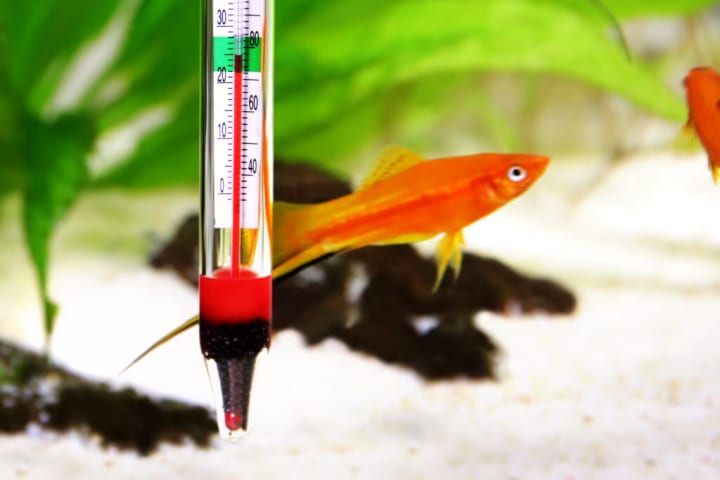
Temperature shock happens when new fish are added without proper acclimation, or when tanks sit near windows or AC vents. Even a 3-degree sudden shift can kill sensitive species. pH crashes often occur in new tanks with low KH (carbonate hardness), where buffering capacity collapses once acids from fish waste accumulate.
Symptoms: Fish gasping, darting erratically, hiding, refusing food, showing stress stripes, or lying on the bottom. Deaths usually happen 6-24 hours after the parameter swing.
How to fix it:
Test your water with a liquid test kit. Check pH, KH, GH, and temperature.
If pH crashed below 6.5, perform a 25% water change with water that has higher KH. You can add baking soda at 1 teaspoon per 5 gallons to raise KH temporarily.
If temperature is off, adjust your heater and bring it back gradually no more than 2 degrees per hour.
Stability tips:
Keep tanks away from windows and vents. Use a reliable adjustable heater with a thermometer to verify accuracy. Test KH monthly if it's below 3 dKH, your pH will swing.
Add crushed coral to the filter or substrate to stabilize KH naturally. Don't chase "ideal" pH numbers from care sheets. Focus on keeping whatever pH you have rock-solid stable.
Many beginners wonder why fish die even when parameters look "correct" on paper. The answer is almost always sudden fluctuations rather than the actual numbers.
Cause 4: Overstocking the Tank
Too many fish means too much waste. Waste means ammonia. Even a perfectly cycled tank has limits.
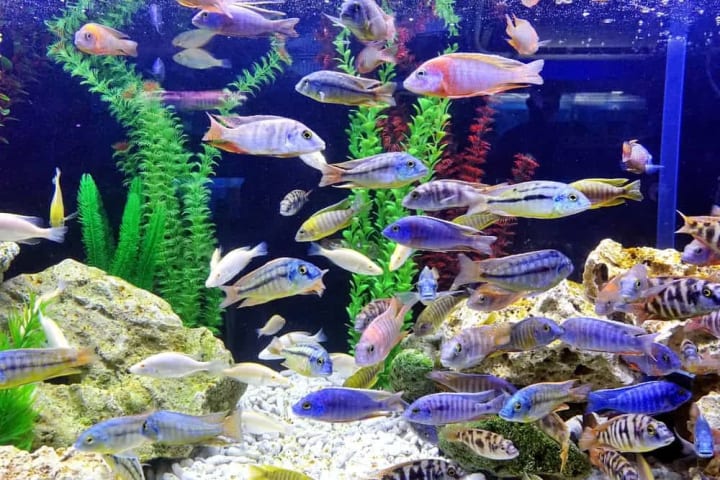
Overloading the biological filtration causes ammonia to rise faster than bacteria can process it. Crowded fish also experience chronic stress from competition for space, food, and territory. Stress suppresses immune systems, making disease outbreaks far more likely.
Signs your tank is overstocked:
Constant algae blooms despite low light and feeding. Aggressive behavior even among peaceful species. Fish hovering near the surface. Ammonia or nitrite creeping above 0 ppm even after cycling.
How to fix it:
Three options: Upgrade to a larger tank, rehome excess fish to local stores or online communities, or add a second tank. Don't just increase filtration a bigger filter helps, but it doesn't create more space or reduce territorial stress.
Stocking rules:
Use "one inch of fish per gallon" as a rough starting point, but account for adult size, not current size. Research bioload for specific species a 6-inch goldfish produces far more waste than a 6-inch tetra.
Prioritize fewer fish with proper space over cramming the tank full. Vertical swimmers like angelfish need height. Bottom dwellers like corydoras need floor space.
Cause 5: Incorrect Acclimation
New fish experience shock when moved from store water to your tank if parameters differ significantly. Temperature shock is most common, but pH and hardness differences also cause stress.
Dumping fish straight from the bag into the tank can kill them within hours, especially sensitive species like discus, shrimp, or wild-caught fish.

The acclimation method that works:
Float the sealed bag in your tank for 15-20 minutes to match temperature. Open the bag and add 1/4 cup of tank water every 5 minutes for 30-45 minutes.
This slowly adjusts fish to your parameters. Use a net to transfer fish—never pour store water into your tank, as it may contain unwanted microorganisms or medications.
For sensitive species, use the drip method: place fish in a bucket, run airline tubing from your tank with a valve to control drip rate, and let it drip slowly for 1-2 hours. Patience during acclimation prevents deaths that would otherwise happen 12-48 hours after adding new fish.
Cause 6: Aggression & Compatibility Issues
Mixing incompatible species causes invisible stress that weakens fish over time. A betta will kill guppies. Cichlids will harass tetras. Even "community" fish like tiger barbs nip fins relentlessly if kept in small groups.
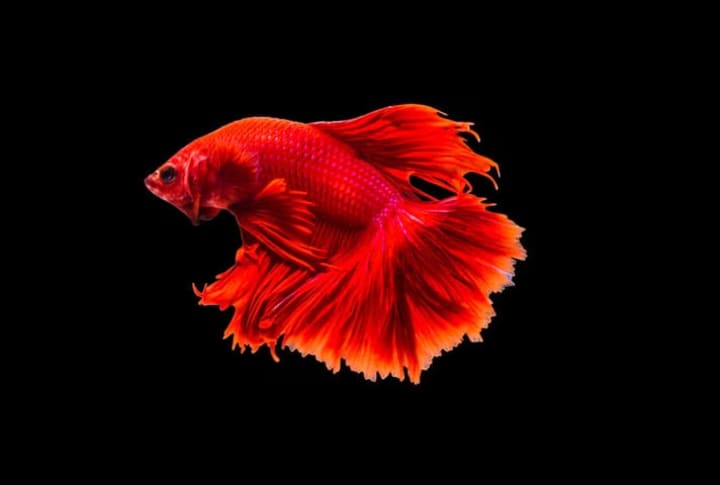
Chronic stress from bullying suppresses immune function, leading to illness and death even if no physical wounds are visible.
Signs: Torn fins, missing scales, fish hiding constantly, one fish chasing others relentlessly, or submissive fish refusing to eat because dominant fish control feeding areas.
How to fix it:
Rearrange all décor to break territorial claims this works for cichlids and other territorial species. Add more hiding spots with plants, rocks, or driftwood to create visual barriers.
If aggression continues, remove the aggressor permanently. Research compatibility before buying ask store staff or check reputable online resources.
Avoid mixing fin-nippers with long-finned species. Never house aggressive species with peaceful ones. When beginners ask why fish die in seemingly peaceful tanks, aggression is often the hidden culprit.
Cause 7: Poor Oxygenation
Fish breathe dissolved oxygen from water. Without adequate oxygen, they suffocate.
Oxygen enters water through surface agitation the more surface movement, the better gas exchange. Beginners often run filters too gently or position outputs poorly, creating still water surfaces that limit oxygen.

Warm water holds less oxygen than cold water, so tropical tanks need extra attention. Overstocked or heavily planted tanks deplete oxygen faster, especially at night when plants switch from producing oxygen to consuming it.
Symptoms: Fish gasping at the surface (especially in the morning), staying near filter outputs, lethargy, rapid gill movement. In severe cases, fish die overnight when oxygen drops during darkness.
How to raise oxygen immediately:
Point your filter output toward the surface to create ripples and splashing. Add an air stone connected to an air pump cheap and effective. Lower water temperature by 2-3 degrees if possible.
Perform a water change fresh water contains more dissolved oxygen. Reduce feeding to decrease oxygen demand from decomposing waste.
Long-term, ensure your filter creates visible surface movement. Avoid completely still water. If you have live plants, ensure there's enough surface agitation to compensate for nighttime oxygen consumption.
Cause 8: Diseases Introduced From Stores
Store fish commonly carry parasites, bacterial infections, and other issues that your healthy fish have never been exposed to. Ich (white spot disease), velvet, and fin rot are the most common. Beginners often miss early symptoms until the entire tank is affected.

Early warning signs:
White spots on body or fins (ich). Gold or rust-colored dust on skin (velvet). Frayed or disintegrating fins (fin rot). Flashing or rubbing against objects. Clamped fins. Rapid breathing. White stringy feces (internal parasites).
How to respond early:
Quarantine new fish for 2-3 weeks in a separate tank before adding them to your main display. If issues appear in your main tank, raise temperature to 78-80°F to speed up parasite life cycles (only if your species tolerate it).
Add aquarium salt at 1 tablespoon per 5 gallons for external parasites. Perform daily 25% water changes.
The quarantine method:
Set up a small 10-gallon tank with a sponge filter and heater. Add new fish here for 2-3 weeks. If they show no symptoms, they're safe to move. If problems appear, treat them here without risking your entire community.
Quarantine isn't exciting, but it prevents disasters.
How to Fix a Dying Fish (Beginner Rescue Guide)
When fish are actively dying, here's your emergency protocol for how to save dying fish.

Step 1: Test water immediately for ammonia, nitrite, nitrate, pH, and temperature.
Step 2: If ammonia or nitrite are above 0 ppm, perform a 50% water change right now with temperature-matched, dechlorinated water. This single action saves more fish than anything else.
Step 3: Increase oxygen by adding an air stone or pointing your filter output toward the surface. Higher oxygen helps fish recover from almost any stress.
Step 4: Stop feeding entirely food creates ammonia, and sick fish won't eat anyway.
Step 5: If tests show 0 ammonia and nitrite but fish are still struggling, add aquarium salt at 1 tablespoon per 5 gallons. (Skip this if you have scaleless fish like plecos or corydoras.) Salt helps fish maintain osmotic balance when stressed and addresses many external parasites.
Isolate struggling fish only if they show contagious symptoms (white spots, fluffy growths, open sores). Otherwise, keep them in the main tank moving them causes additional stress. Observe closely for 24 hours while maintaining pristine water through daily partial changes.
Do not add medications unless you've identified a specific problem. Most beginner "cure-all" medications do more harm than good, stressing fish further and killing beneficial bacteria.
Pristine water quality, stable parameters, and high oxygen resolve most problems without medication. If fish haven't improved after 48 hours of perfect water conditions, then consider targeted medications based on specific symptoms.
Beginner-Safe Weekly Maintenance Routine
Following this routine prevents most fish deaths.
Every week:
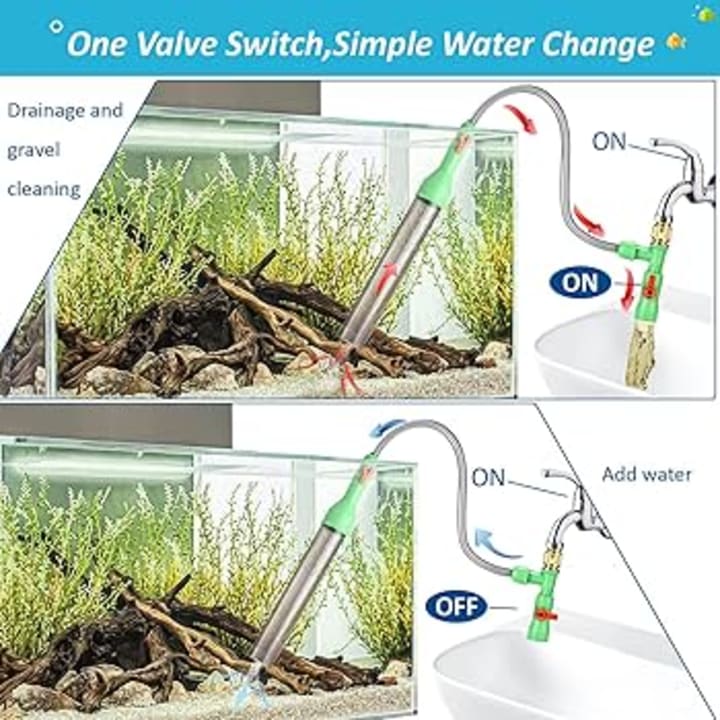
Perform a 25% water change using a gravel vacuum. Siphon waste from the substrate while removing water this eliminates decomposing food and fish waste before they create ammonia.
Refill with dechlorinated water matched to tank temperature within 2-3 degrees. Never add cold tap water directly it shocks fish. Let water sit for 30 minutes with dechlorinator, or heat it in a clean bucket before adding.
Clean algae from glass with a scraper or magnet cleaner. Leave some algae on back and side walls it's natural and helps consume nitrates. Trim dead plant leaves and remove visible debris.
Check filter flow. If it's slowed, rinse filter media in old tank water (never tap water chlorine kills beneficial bacteria). Replace cartridges only when falling apart. Rinse and reuse as long as possible to preserve bacterial colonies.
Feed once daily, only what fish eat in 2-3 minutes. Test water weekly for ammonia, nitrite, and nitrate with a liquid test kit. Ammonia and nitrite should always read 0 ppm. Nitrate below 20 ppm is ideal.
If nitrate rises above 40 ppm, increase water change frequency to 30-40% weekly.
Observe fish behavior daily. Healthy fish swim actively, show bright colors, and eat eagerly. Changes in behavior are early warnings of problems catching them early means easy fixes instead of emergency rescues.
Regular aquarium maintenance for beginners keeps fish tank water quality stable and prevents the cascading failures that lead to fish loss.

Frequently Asked Questions
Why did all my fish die overnight?
Sudden total loss usually indicates severe ammonia or nitrite poisoning, or complete oxygen depletion. Test water immediately. In rare cases, contamination from cleaning chemicals, medications, or tap water additives causes overnight crashes.
Do I need to cycle a tank before adding fish?
Yes. Cycling establishes the bacterial colonies that process ammonia and nitrite. Without cycling, toxic buildup kills fish within days. If you already added fish, perform daily water changes and add bacterial supplements to complete a fish-in cycle.
Can stress really kill fish?
Absolutely. Chronic stress from aggression, poor water quality, or parameter swings suppresses immune systems. Stressed fish develop problems they'd normally fight off and become more susceptible to ammonia poisoning.
Why do new fish die in 24 hours?
This usually means improper acclimation caused parameter shock, or the new fish brought issues that your tank's existing conditions worsened. Always acclimate slowly and consider quarantining new arrivals.
Conclusion
Most fish deaths are preventable once you understand the real causes. The overwhelming majority of beginner losses trace back to invisible water chemistry ammonia spikes from new tank syndrome or overfeeding.
Get these fundamentals right and your fish thrive instead of struggle.
You don't need expensive equipment or years of experience. You need consistent habits: weekly water changes, controlled feeding, regular testing, and proper research before adding new fish. These simple routines eliminate the causes responsible for most deaths.
Every experienced fishkeeper started where you are now losing fish and learning hard lessons. The difference between beginners who quit and those who succeed isn't luck. It's understanding that fishkeeping is about water chemistry first, and fish second.
Master the basics in this guide, and you'll rarely lose fish again. When you understand why fish die and commit to proper aquarium maintenance, your tank becomes the thriving ecosystem you imagined when you started.
About the Creator
Arjun
Aquarium hobbyist sharing simple, real-world fixes for snail, shrimp, and plant problems. Clear guides, no fluff just practical tips to keep your tank healthy and thriving.
The Ongoing Search for Water on Mars
For decades, scientists have been fascinated by the possibility of water on Mars. Known for its dry, dusty landscape and reddish appearance, Mars was once thought to be a completely barren world. However, modern discoveries have revealed that the planet may have once had abundant water—and scientists are still searching for evidence of it today.
By Irshad Abbasi about 10 hours ago in Earth
The Politics of Playing Dress-Up
Well, to start off I'd like to say a happy world book day to all who celebrate. I know I haven't really posted anything on my socials about it but I'm not a jubilant kind of person. I lay low most of the time. Let's start off with a popular anecdote from the vaults...
By Annie Kapur7 days ago in Geeks


Comments
There are no comments for this story
Be the first to respond and start the conversation.