
Why Climate Change Denialism is Dangerous and How to Combat It
The Battle for Truth: Unveiling the Dangers of Climate Change Denialism and Strategies for a Resilient Future

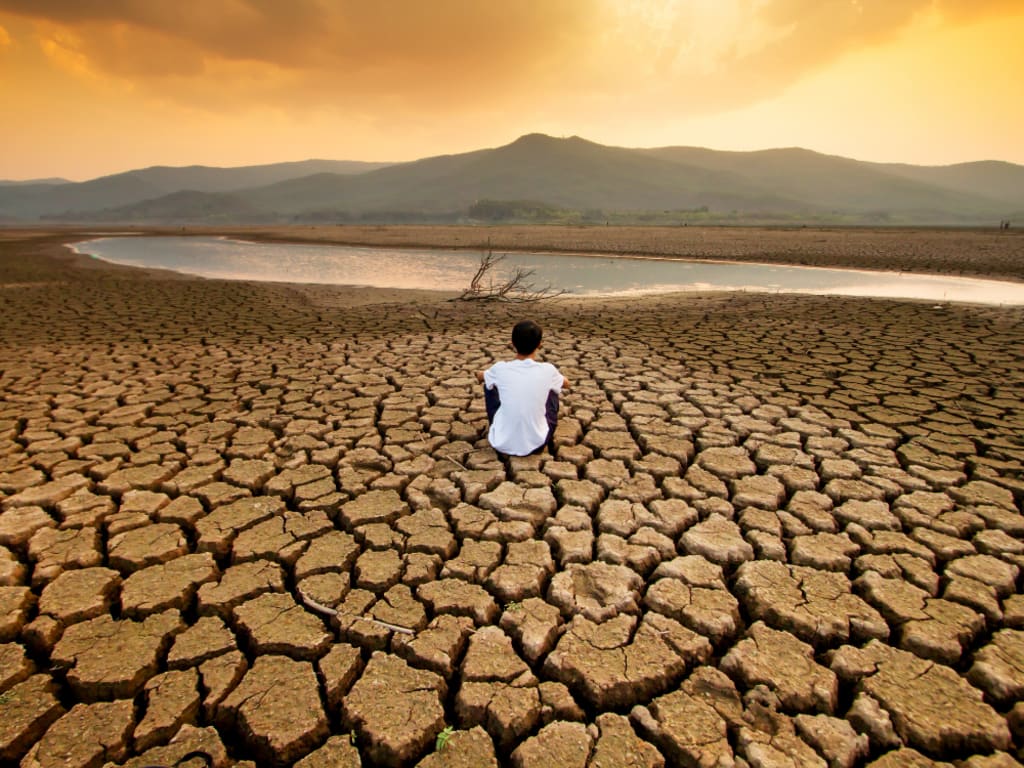
Climate change is a global crisis with far-reaching implications for our planet and future generations. However, despite overwhelming scientific consensus on the reality and severity of climate change, there remains a persistent phenomenon of climate change denialism. Climate change denialism is the rejection, dismissal, or distortion of scientific evidence and consensus on climate change, often fueled by ideological, political, or economic motivations. In this article, we will explore why climate change denialism is dangerous and discuss strategies to combat it effectively.
Undermining Scientific Consensus
Climate change denialism undermines the overwhelming scientific consensus on climate change. Numerous scientific organizations, including the Intergovernmental Panel on Climate Change (IPCC), have concluded that human activities, primarily the burning of fossil fuels, are the primary drivers of global warming. Denialist rhetoric creates confusion and doubt among the public, eroding trust in scientific institutions and impeding meaningful action on climate change.
Delaying Urgent Action
By sowing doubt and skepticism, climate change denialism hinders the implementation of urgent measures to mitigate and adapt to climate change. Delaying action further exacerbates the impacts of climate change, making it more challenging and costly to address in the long run. Denialism often aligns with vested interests in industries that contribute to greenhouse gas emissions, allowing for the perpetuation of business-as-usual practices that contribute to the climate crisis.
Disregarding Environmental and Humanitarian Consequences
Climate change denialism disregards the severe environmental and humanitarian consequences of a warming planet. Rising temperatures lead to more frequent and intense heatwaves, extreme weather events, sea-level rise, biodiversity loss, and disruptions to ecosystems. Additionally, denialism dismisses the disproportionate impacts of climate change on vulnerable communities, exacerbating existing social and economic inequalities.
Impeding Climate Policy and International Cooperation
Denialism poses a significant obstacle to the formulation and implementation of effective climate policies and international cooperation. By casting doubt on the scientific basis of climate change, denialist arguments create divisions and gridlock in political discourse, hindering the development of comprehensive climate strategies. This obstructionism impedes the global efforts needed to mitigate greenhouse gas emissions, transition to renewable energy, and foster international collaboration on climate action.
Promoting False Balance and Misinformation
One of the tactics employed by climate change denialism is the promotion of false balance and misinformation. Denialist arguments often receive unwarranted attention in the media, presenting a false equivalence between scientifically supported findings and baseless claims. This misrepresentation creates confusion among the public and distorts the perception of climate change as a contentious debate, rather than an established scientific reality.
Fostering Inaction and Complacency
Climate change denialism fosters inaction and complacency among policymakers and the public. When the seriousness of climate change is undermined, there is a tendency to downplay its urgency and prioritize short-term economic interests over long-term sustainability. This complacency hinders the adoption of necessary policies, technological advancements, and behavioral changes required to address climate change effectively.
Combating Climate Change Denialism:
- Enhancing Science Communication: Scientists, educators, and communicators play a crucial role in effectively conveying the science of climate change to the public. Clear, accessible, and compelling messaging that emphasizes scientific consensus and evidence-based findings can help counter denialist narratives.
- Strengthening Climate Education: Investing in climate education at all levels, from schools to universities and beyond, is vital for fostering climate literacy and critical thinking skills. Education empowers individuals to discern reliable information, understand the complexities of climate change, and make informed decisions.
- Promoting Science-Based Policy Making: Encouraging policymakers to base their decisions on scientific evidence is essential for combating denialism. Governments and international institutions should prioritize evidence-based policy-making, ensuring that climate policies are grounded in scientific research and expertise.
- Engaging Communities and Stakeholders: Building partnerships and engaging diverse stakeholders, including communities, businesses, and civil society organizations, can help counter denialism. By promoting dialogue, understanding local perspectives, and incorporating diverse voices, we can foster consensus and collective action on climate change.
- Holding Denialist Misinformation Accountable: Fact-checking and debunking denialist misinformation is crucial to combat its spread. Media organizations, journalists, and fact-checking initiatives play a vital role in holding denialist claims to account and ensuring accurate reporting on climate change.
- Empowering Grassroots Movements: Grassroots movements, such as climate justice organizations, youth-led initiatives, and community-based groups, are powerful agents of change. Supporting and amplifying these movements can counter denialist narratives, raise awareness, and mobilize collective action.
- Encouraging Sustainable Business Practices: Engaging businesses to adopt sustainable practices and transparency in their operations is crucial. By promoting responsible corporate behavior, divestment from fossil fuels, and investment in clean technologies, we can address denialism at the economic level.
- Promoting Climate Resilience and Adaptation: Highlighting the tangible impacts of climate change and the importance of adaptation measures can counter denialist claims. Emphasizing the benefits of resilience-building, such as economic opportunities, protection of livelihoods, and enhanced community well-being, can foster support for climate action.
- Addressing Inequities and Just Transitions: Recognizing and addressing the social and economic inequities exacerbated by climate change is essential. Ensuring just transitions, promoting equity in climate policies, and addressing the needs of vulnerable communities can garner broader support for climate action.
- Celebrating Success Stories: Highlighting success stories, innovative solutions, and positive outcomes of climate action can inspire hope and overcome denialist narratives. Showcasing examples of communities, cities, and countries that have successfully implemented climate initiatives can inspire others to take action.
In conclusion, climate change denialism poses significant risks to our planet, hindering necessary action and perpetuating environmental and social inequalities. Combating denialism requires a multi-faceted approach that emphasizes scientific consensus, promotes climate education, engages diverse stakeholders, and fosters evidence-based policy-making. By taking decisive action and countering denialist narratives, we can accelerate the transition to a sustainable and resilient future for all.
Enjoyed the read? Show your support for my future pieces with a small contribution. Every gift counts!
About the Creator
Gokhan Polard
As an experienced ERC Referral Specialist, my primary dedication lies in assisting businesses in the journey towards financial success. https://ercsolutionshub.com/
Keep reading
More stories from Gokhan Polard and writers in Earth and other communities.
The Connection Between Environmental Degradation and Income Inequality
Environmental degradation and income inequality are two pressing global challenges that are intricately connected. While environmental degradation refers to the deterioration of ecosystems and the natural environment, income inequality refers to the unequal distribution of wealth and resources among individuals or groups within a society. This article explores the complex relationship between environmental degradation and income inequality, highlighting the ways in which they influence and reinforce each other.
By Gokhan Polard3 years ago in Earth
The Sky Adorned with Stars: Nature’s Most Beautiful Crown
On a clear night, when the lights of cities fade and the air grows still, the sky reveals one of nature’s most breathtaking sights — a vast canvas filled with shining stars. The phrase “the sky adorned with stars” perfectly captures the beauty of this moment, as if the heavens themselves are wearing a glittering crown. For thousands of years, humans have gazed upward in awe, wondering about the countless lights scattered across the darkness.
By Irshad Abbasi 4 days ago in Earth
Silken Chains
Silhouettes of the female form were given flesh and bone. Silken skin glistened under the spotlight. Dry ice rose around our Icons as they danced atop their podiums in the Square. Heralded for their beauty, their movements were slight, powerful, and sensual.
By Paul Stewart6 days ago in Fiction


Comments
There are no comments for this story
Be the first to respond and start the conversation.