
The Connection Between Environmental Degradation and Income Inequality
Inequity's Environmental Toll: Exploring the Interplay Between Environmental Degradation and Income Inequality


Environmental degradation and income inequality are two pressing global challenges that are intricately connected. While environmental degradation refers to the deterioration of ecosystems and the natural environment, income inequality refers to the unequal distribution of wealth and resources among individuals or groups within a society. This article explores the complex relationship between environmental degradation and income inequality, highlighting the ways in which they influence and reinforce each other.
Unequal Access to Environmental Resources
Income inequality often results in unequal access to environmental resources. Wealthier individuals and communities have better access to clean air, clean water, green spaces, and other environmental amenities. In contrast, low-income individuals and marginalized communities may experience disproportionate exposure to pollution, inadequate sanitation, and degraded environments. This disparity in access to environmental resources exacerbates health disparities and perpetuates social and economic inequalities.
Differential Vulnerability to Environmental Hazards
Income inequality can heighten vulnerability to environmental hazards. Low-income communities, especially those living in areas with high levels of pollution or climate change impacts, face greater health risks and economic hardships. Limited resources and infrastructure in these communities make them more susceptible to the adverse effects of environmental degradation, such as increased air pollution, water contamination, and natural disasters. This further widens the gap between the rich and the poor, deepening income inequality.
Environmental Injustice
Environmental degradation often disproportionately affects disadvantaged communities. Marginalized groups, including racial and ethnic minorities, indigenous peoples, and low-income populations, bear a disproportionate burden of pollution, hazardous waste sites, and other environmental hazards. This phenomenon, known as environmental injustice, highlights the intersectionality of environmental degradation and income inequality, as marginalized communities face both economic and environmental challenges.
Impacts on Livelihoods and Employment Opportunities
Environmental degradation can adversely affect livelihoods and employment opportunities, particularly for low-income individuals who rely on natural resources for their economic well-being. Deforestation, overfishing, and land degradation, for example, can deplete vital resources and disrupt traditional livelihoods, pushing vulnerable populations further into poverty. Conversely, income inequality can drive unsustainable practices, such as overconsumption and exploitative resource extraction, leading to environmental degradation.
Feedback Loop: Environmental Degradation and Economic Inequality
Environmental degradation and income inequality can reinforce each other in a feedback loop. Environmental degradation, such as climate change and natural resource depletion, can disrupt ecosystems, reduce agricultural productivity, and impact natural resource-dependent industries. These disruptions disproportionately affect low-income communities that rely heavily on these sectors for employment and income. The resulting economic hardships can further perpetuate income inequality, making it difficult for marginalized communities to adapt and recover from environmental crises.
Sustainable Development Goals and Environmental Equity
The United Nations' Sustainable Development Goals (SDGs) highlight the interconnectedness between environmental sustainability and reducing income inequality. SDG 10 calls for reducing inequalities within and among countries, emphasizing the importance of addressing income disparities. Additionally, SDG 15 focuses on protecting, restoring, and promoting sustainable use of terrestrial ecosystems, highlighting the need for equitable access to environmental resources and ensuring environmental justice.
Policy Interventions and Equitable Solutions
Addressing the link between environmental degradation and income inequality requires comprehensive policy interventions and equitable solutions. This includes implementing regulations to reduce pollution and environmental hazards, promoting inclusive environmental decision-making processes, and creating sustainable development strategies that prioritize social equity and environmental sustainability. It also entails investing in renewable energy, sustainable agriculture, and green job creation to foster economic opportunities while minimizing environmental impacts.
In conclusion, the connection between environmental degradation and income inequality is a complex and multidimensional issue. Environmental degradation reinforces income inequality, while income inequality exacerbates vulnerability to environmental hazards. Recognizing and addressing this interconnection is crucial for achieving both environmental sustainability and social equity. By promoting inclusive policies, fostering environmental justice, and pursuing sustainable development practices, we can work towards a future where both the environment and society thrive in harmony.
Enjoyed the read? Show your support for my future pieces with a small contribution. Every gift counts!
About the Creator
Gokhan Polard
As an experienced ERC Referral Specialist, my primary dedication lies in assisting businesses in the journey towards financial success. https://ercsolutionshub.com/
Keep reading
More stories from Gokhan Polard and writers in Earth and other communities.
How Traditional Ecological Knowledge Can Inform Sustainable Resource Management?
Traditional Ecological Knowledge (TEK) is the accumulated knowledge, practices, and beliefs developed by indigenous and local communities over generations through their interactions with the natural environment. This knowledge system is deeply rooted in cultural traditions and reflects a profound understanding of ecosystems, biodiversity, and the sustainable use of natural resources. In the face of pressing environmental challenges, incorporating TEK into resource management strategies offers valuable insights and pathways for achieving sustainable and equitable outcomes. In this article, we will explore the significance of TEK and how it can inform and enhance sustainable resource management efforts.
By Gokhan Polard3 years ago in Earth
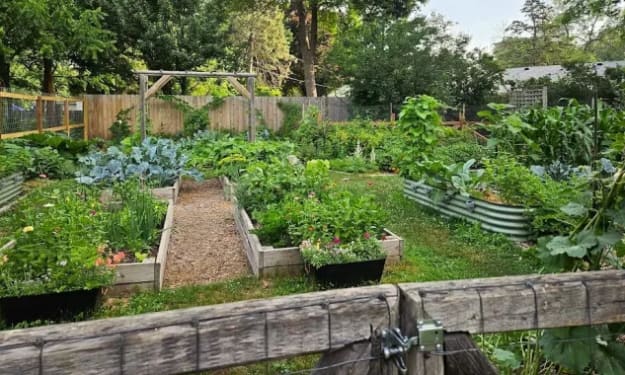
Planning a Vegetable Garden Layout: Sun, Space, and Succession
You've decided to grow your own food. You've cleared a space, bought seeds, and imagined baskets overflowing with tomatoes and zucchini. Then reality intervenes. The tomatoes shade the basil. The zucchini engulfs the carrots. By midsummer, you have more lettuce than you can eat, followed by a gap of nothing until frost.
By Emma Wallace7 days ago in Earth



Comments
There are no comments for this story
Be the first to respond and start the conversation.