
What is Sustainability?
Vital thing for our future.
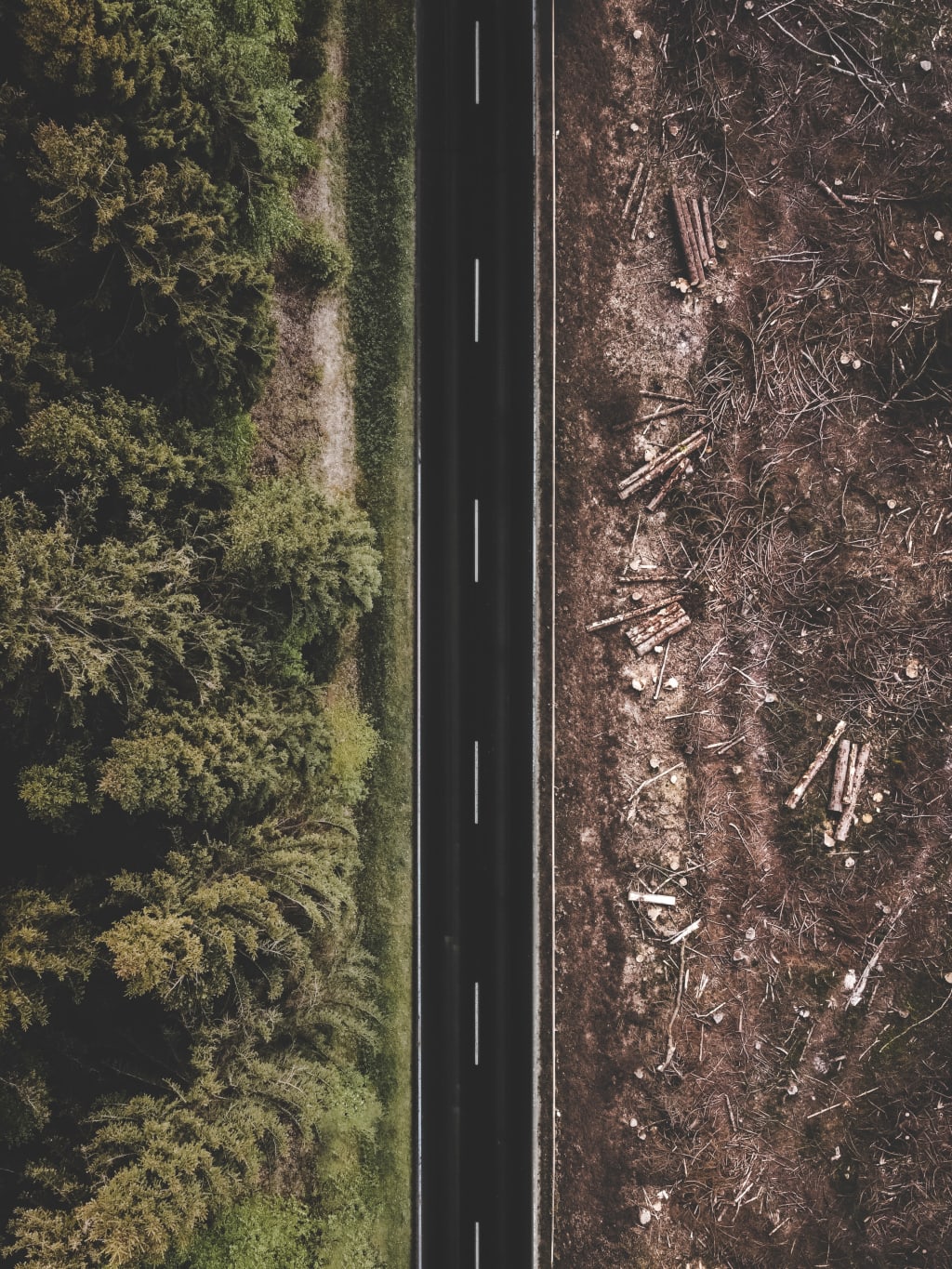
What is sustainability? One of the widely accepted definitions of sustainability, endorsed by the UN Brundtland Commission, posits that sustainable development is the kind that caters to the needs of the present without imperiling the capacity of future generations to cater to their own needs. In simpler terms, sustainability revolves around safeguarding the well-being of our progeny. How we conduct our lives today should be guided by the principle of enabling them to flourish and enjoy a good quality of life as well. Our planet boasts numerous resources essential for sustenance, such as food and shelter. Many of these resources are renewable. For instance, you can fell a tree and replace it with new growth; similarly, fishing can be sustainable if managed within replenishable limits. This hinges on adhering to a pace at which these ecosystems can naturally restore themselves—a concept termed the "replacement rate." Imagine this as a bathtub: water being drained and filled at an equilibrium, maintaining a stable water level. This analogy highlights that while resources are utilized, it must align with the systems' capacity to remain relatively stable.
However, recent decades have brought to light a concerning trend: our resource consumption has outpaced the rate of renewal. This mismatch between depletion and replenishment has led to a decline in resource levels. Evidence of this imbalance is evident in the depletion of fish stocks and other marine life, as well as the reduction in forested areas. Climate change's repercussions are all too familiar, alongside issues like plastic pollution in oceans. In essence, sustainability encapsulates recognizing the intricate interconnections between various phenomena. Decisions as commonplace as purchasing a smartphone reverberate globally, impacting individuals engaged in mining the materials required for its production. Thus, sustainability necessitates a holistic approach—a systems thinking perspective.
Another pivotal framework frequently invoked to discuss sustainability is the three E's: Environment, Economy, and Equity. In the business realm, this is often referred to as the "triple bottom line." Some liken it to a three-legged stool, where each leg is indispensable for balance. This framework underscores the importance of comprehending not only the necessity of managing these facets but also recognizing their interdependencies. Focusing solely on short-term economic gains, for instance, can jeopardize long-term economic prosperity. Similarly, preserving the environment without factoring in economic considerations and societal well-being might not yield a prosperous society. Lastly, neglecting equity can result in resource disparities and a fragmented society. True sustainability encompasses addressing all these dimensions and perceiving the intricate web of relationships among them.
Moreover, the concept of sustainability extends beyond the environmental and social aspects. It also encompasses cultural preservation and technological advancement. Cultures, traditions, and indigenous knowledge are vital components of the human experience. Sustainable development respects and integrates these aspects, understanding that they contribute to the fabric of a diverse and thriving society. In addition, technological innovation plays a crucial role in steering us toward a sustainable future. The creative application of technology can catalyze efficiency, reduce waste, and enhance renewable resource utilization.
As we navigate the challenges of the 21st century, a forward-looking perspective on sustainability is essential. This involves not only rectifying the damage incurred but also proactively devising strategies for resilience and progress. By reevaluating consumption patterns, embracing renewable energy alternatives, promoting responsible production practices, and fostering education and awareness, we can collectively strive for a world where the delicate balance between human prosperity and planetary well-being is harmonized. In this pursuit, sustainability emerges as a guiding ethos, inspiring us to envision a future in which generations to come inherit a planet that is abundant, vibrant, and capable of sustaining their aspirations.
About the Creator
Keep reading
More stories from writers in Earth and other communities.
Hopes Dashed as ‘Waspi Women’ Again Denied State Pension Compensation
Thousands of women across the UK have once again been left disappointed after fresh hopes of compensation over state pension age changes were dashed. The issue, which has been debated for years, centres on women born in the 1950s who say they were not properly informed about increases to their state pension age.
By Aarif Lashari5 days ago in Earth
Damage and Disruption in Storm-Battered Counties
Severe storms have left a trail of destruction across several counties, causing widespread damage to homes, infrastructure, and essential services. Heavy rainfall, strong winds, and flash flooding have combined to create one of the most disruptive weather events in recent years. Local authorities continue to assess the full scale of the damage as emergency crews work around the clock to restore normal life for affected communities.
By Fiaz Ahmed 6 days ago in Earth
Self Help: Grifters' Gospel
On Self-Help, Snake Oil, and the Illusion of Change Psychology professionals and students can be imagined on two opposite sides of a line called self-help books: likely a larger group opposes pop-science and step-by-step manuals filled with talk of success, journaling, and not giving a f**k; others love them, but they aren’t many.
By Avocado Nunzella BSc (Psych) -- M.A.P 4 days ago in BookClub


Comments (1)
Hello, AI is permitted on Vocal. It is a Vocal policy that content created with AI is identified as such at the start of the story/article. Your article/story has many hallmarks of AI-assisted/generated content. You can find the details of the Vocal policy here: https://shopping-feedback.today/resources/an-update-from-vocal-on-ai-generated-content%3C/span%3E%3C/span%3E%3C/span%3E%3C/a%3E, Please amend your piece to be in compliance. If you are not a Vocal+ member you will need to contact Vocal here ([email protected]) and ask them to edit your story/article/poem for you. If you don’t correct this the content may be removed by Vocal and/or you may be deleted from the platform.