
Hopes Dashed as ‘Waspi Women’ Again Denied State Pension Compensation
Campaigners vow to continue fight as thousands remain affected by pension age changes
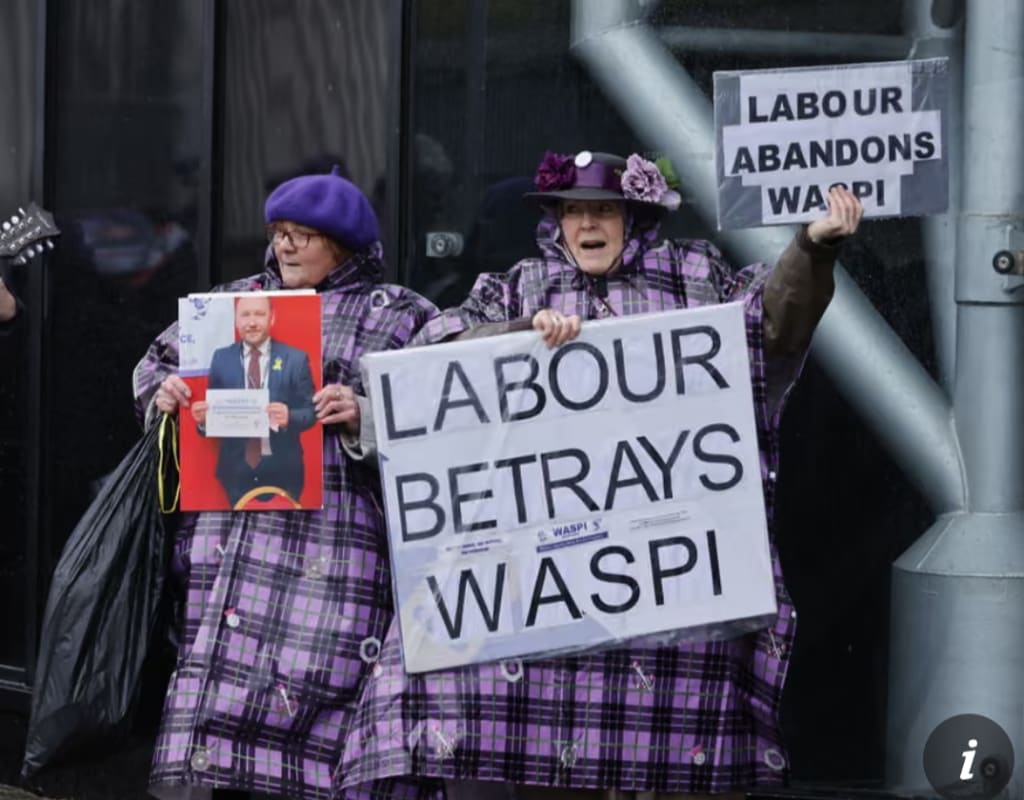
Thousands of women across the UK have once again been left disappointed after fresh hopes of compensation over state pension age changes were dashed. The issue, which has been debated for years, centres on women born in the 1950s who say they were not properly informed about increases to their state pension age.
Known widely as Waspi women—short for Women Against State Pension Inequality—campaigners argue they suffered financial hardship because of sudden changes to retirement timelines. The latest developments have reignited anger, frustration, and calls for justice from affected women and advocacy groups.
What Is the Waspi Campaign?
The Waspi campaign began after changes to the UK state pension age were introduced to equalise retirement ages between men and women. Historically, women could claim state pensions earlier than men, but legislation gradually increased women’s pension age to match men’s.
While many agree with pension age equalisation in principle, Waspi campaigners argue the problem lies in how the changes were communicated. Many women say they received little or no notice, leaving them unable to prepare financially.
For some, retirement plans built over decades were suddenly disrupted.
Why Compensation Has Been Debated
Campaigners argue that lack of clear communication caused financial and emotional hardship. Some women were forced to:
Continue working longer than planned
Use savings earlier than expected
Experience stress and uncertainty about financial security
Advocates say compensation would not reverse pension age changes but would acknowledge the way they were implemented.
Government officials, however, have repeatedly stated that changes were necessary to ensure long-term sustainability of the pension system, especially given rising life expectancy and pressure on public finances.
Latest Decision Sparks Disappointment
The most recent decision rejecting compensation has been described by campaigners as a devastating blow. Many women had hoped growing political pressure and public awareness would lead to financial redress.
Waspi campaign representatives argue that affected women are not asking for special treatment but for recognition of what they describe as administrative failures in communication.
Some campaigners say the issue is about fairness and trust in government systems.
Government Position
Successive governments have maintained that while communication may not have been perfect, pension age changes were publicly announced over many years through official channels, media coverage, and government correspondence.
Officials also point to the significant cost of compensation schemes. Estimates have suggested that large-scale compensation could cost billions of pounds—money that would need to be found through taxes or spending cuts elsewhere.
The government position remains focused on balancing fairness to individuals with responsibility to taxpayers and future pension sustainability.
Human Impact Behind the Statistics
Behind the political debate are individual stories of disruption and financial anxiety. Many Waspi women say they feel overlooked after decades of paying into the system.
Some report struggling to find employment later in life, while others say caring responsibilities made extended working years difficult. Advocacy groups have highlighted cases where women entered poverty or relied heavily on family support.
Supporters of the campaign say the issue highlights broader concerns about retirement planning and financial literacy across society.
Public and Political Reaction
Public opinion remains divided. Some support Waspi women, arguing that governments have a duty to communicate major life-changing policy shifts clearly and directly.
Others believe pension reforms were necessary and that compensation could create financial strain for younger generations already facing economic pressures.
Politically, the issue has appeared repeatedly in parliamentary debates and election campaigns, showing its continuing relevance.
The Future of the Waspi Campaign
Despite setbacks, campaign groups say they will continue pushing for recognition and potential compensation. Options discussed by campaigners include:
Legal challenges
Political lobbying
Public awareness campaigns
The movement has already succeeded in bringing pension policy into national conversation and raising awareness of retirement planning risks.
Lessons for Future Pension Policy
Experts say the Waspi issue highlights key lessons for governments and policymakers:
Clear Communication Matters
Major policy changes affecting millions must be communicated clearly and repeatedly.
Long Transition Periods Are Crucial
Gradual changes allow individuals to adjust financial plans.
Transparency Builds Trust
Public confidence depends on clear, consistent information.
Wider Context: Ageing Population Challenges
The UK, like many developed countries, faces challenges linked to ageing populations. Governments must balance:
Pension sustainability
Fairness across generations
Economic pressures
Social care demands
The Waspi issue sits within this broader challenge, showing how difficult pension reform can be.
Conclusion
The latest denial of compensation has left many Waspi women feeling frustrated and unheard. While governments stress economic realities and long-term sustainability, campaigners argue that fairness and accountability remain unresolved.
As the debate continues, the Waspi case serves as a reminder of how deeply policy decisions can affect individual lives. It also highlights the importance of communication, transparency, and trust between governments and citizens.
For now, the fight for recognition and compensation continues, ensuring the issue remains part of the UK’s political and social conversation.
About the Creator
Keep reading
More stories from Aarif Lashari and writers in Earth and other communities.
Can You Guess Our Screen Time? A Priest, Pensioner, Tech CEO, and Teenager Reveal All
In today’s digital age, screen time affects everyone—whether you’re managing a company, leading a community, staying in touch with family, or navigating school life. To understand how much time people really spend staring at devices, we spoke to four individuals from different walks of life: a priest, a pensioner, a tech CEO, and a teenager. Their answers highlight just how varied—and sometimes surprising—screen habits can be.
By Aarif Lashariabout 21 hours ago in Earth
Orlando experiences a rare prolonged cold as colder temperatures return to central Florida.
Orlando — a city known for warm breezes, sunshine, and mild winter days — has been experiencing a winter chapter more reminiscent of northern states than Central Florida. Residents have been bundled up in coats and reaching for heaters that are typically hidden during this time of year, as what began as a brief burst of cold air has grown into a "frigid, multi-day cold spell." The cold arrived without much fanfare, but it has stuck around for a remarkable amount of time. Forecasters say the chill is likely to last longer than most Floridians can remember. Instead of a brief dip, the thermometer has been well below seasonal norms for several days. Locals are pondering the question of when the temperature in Orlando last dropped to such lows.
By Raviha Imran5 days ago in Earth
Instructions Included Challenge Winners
For the Instructions Included challenge, we asked writers to tell a story through instructions and to trust the form to carry what could not be said outright. Across the top entries, that trust paid off in many different ways.
By Vocal Curation Team4 days ago in Resources




Comments
There are no comments for this story
Be the first to respond and start the conversation.