
Damage and Disruption in Storm-Battered Counties
Severe weather leaves communities facing flooding, power outages, and massive losses

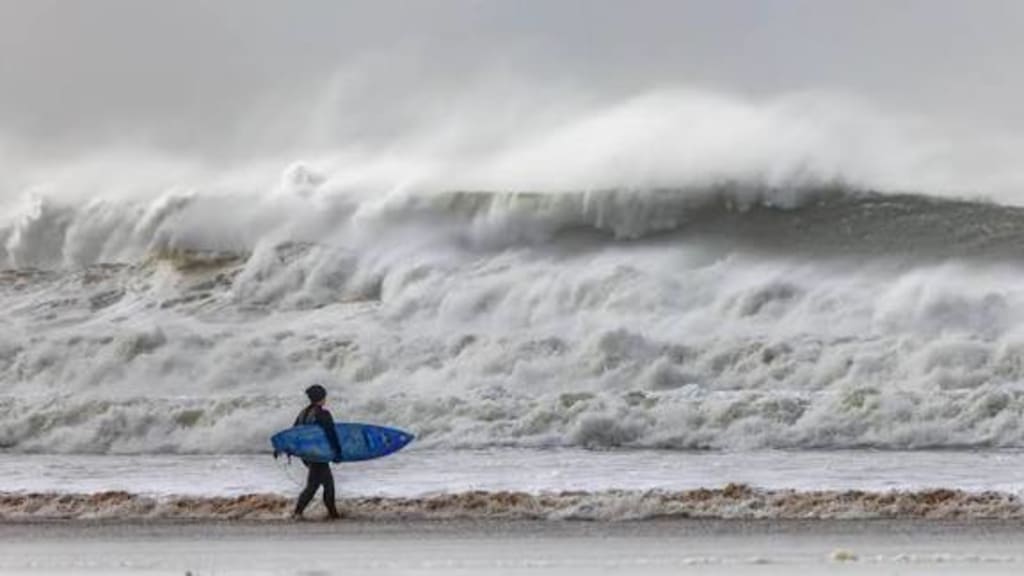
Severe storms have left a trail of destruction across several counties, causing widespread damage to homes, infrastructure, and essential services. Heavy rainfall, strong winds, and flash flooding have combined to create one of the most disruptive weather events in recent years. Local authorities continue to assess the full scale of the damage as emergency crews work around the clock to restore normal life for affected communities.
The storm system moved rapidly across multiple regions, bringing record-breaking rainfall in a short period of time. Rivers overflowed their banks, roads turned into waterways, and entire neighborhoods were submerged. Many residents were forced to evacuate their homes with little warning, seeking shelter in schools, community centers, and emergency facilities set up by local governments.
Homes and Infrastructure Suffer Major Losses
One of the most visible impacts of the storm has been the destruction of residential areas. Dozens of homes were damaged or completely destroyed due to flooding and fallen trees. Roofs were torn apart by powerful winds, and walls collapsed under the pressure of rushing water. Families returned to their neighborhoods to find their belongings ruined by mud and debris.
Public infrastructure also suffered severe damage. Roads and bridges were washed away, cutting off access to several rural communities. Power lines were knocked down, leaving thousands without electricity for days. Water treatment plants and sewage systems were overwhelmed, raising concerns about clean drinking water and public health.
Schools and hospitals faced operational challenges as buildings were flooded and transportation routes became unsafe. Many schools announced temporary closures, while hospitals operated on emergency power systems to continue treating patients.
Economic Impact on Local Communities
The storm has taken a heavy toll on local economies. Small businesses, especially those located in low-lying areas, experienced significant losses as floodwaters destroyed inventory and equipment. Farmers reported damage to crops and livestock, with entire fields submerged under water. This has raised fears of food shortages and increased prices in the coming months.
Tourism-dependent counties were also affected. Hotels, restaurants, and recreational facilities suffered property damage just as they were preparing for peak seasons. The financial recovery process is expected to take months, if not years, depending on the availability of government aid and insurance support.
Insurance companies have begun processing claims, but officials warn that not all losses will be covered. Many residents lack adequate flood insurance, leaving them vulnerable to long-term financial hardship.
Emergency Response and Rescue Operations
Emergency services were quick to respond as the storm intensified. Firefighters, police officers, and rescue teams worked tirelessly to evacuate stranded residents and provide medical assistance. Boats and helicopters were deployed in flooded areas to rescue people trapped on rooftops and in vehicles.
Volunteers from neighboring counties and humanitarian organizations arrived to distribute food, water, blankets, and medical supplies. Temporary shelters provided a safe space for families who lost their homes or could not return due to unsafe conditions.
Local officials praised the courage and dedication of first responders, noting that their swift actions prevented further loss of life. Despite these efforts, the emotional toll on residents remains significant, as many face uncertainty about when they can rebuild and return to normal routines.
Environmental Consequences
Beyond the immediate human impact, the storm has also caused environmental damage. Floodwaters carried pollutants from industrial areas into rivers and farmland, threatening wildlife and ecosystems. Landslides occurred in hilly regions, destroying vegetation and altering natural landscapes.
Experts warn that repeated extreme weather events are putting long-term pressure on the environment. Soil erosion and water contamination could affect agriculture and drinking water supplies for years. Cleanup efforts must be handled carefully to avoid further environmental harm.
Climate Change and Extreme Weather
Meteorologists point to climate change as a major factor behind the increasing intensity of storms. Warmer temperatures allow the atmosphere to hold more moisture, resulting in heavier rainfall and stronger storms. Communities that were once considered low-risk are now facing frequent flooding and weather-related disasters.
This latest storm has reignited discussions about the need for better disaster preparedness and climate adaptation strategies. Authorities emphasize the importance of upgrading drainage systems, reinforcing buildings, and improving early warning systems to protect vulnerable populations.
Community Resilience and Recovery
Despite the devastation, stories of resilience and solidarity have emerged. Neighbors are helping each other clean debris, repair damaged homes, and share supplies. Local businesses are offering free meals and services to those affected. Faith groups and nonprofit organizations are organizing donation drives to support recovery efforts.
Government agencies have announced emergency funding and relief programs to assist displaced families and rebuild critical infrastructure. However, many residents worry that recovery will be slow and uneven, particularly in poorer counties that lack resources.
Mental health support has also become a priority. Counselors and social workers are being deployed to help individuals cope with trauma, stress, and loss. The psychological impact of losing homes and livelihoods can be just as severe as physical damage.
Looking Ahead
As cleanup operations continue, officials stress that rebuilding will require cooperation between local governments, federal agencies, and communities. Long-term planning is essential to reduce the impact of future storms and strengthen resilience against extreme weather.
The damage and disruption in storm-battered counties serve as a powerful reminder of nature’s force and the importance of preparedness. While the road to recovery may be long, the strength and unity shown by affected communities offer hope that they will rebuild stronger than before.
In the face of destruction, these counties are not only repairing structures but also redefining their commitment to safety, sustainability, and mutual support. The lessons learned from this disaster will shape how regions prepare for storms in the future and protect lives and livelihoods for generations to come.
About the Creator
Fiaz Ahmed
I am Fiaz Ahmed. I am a passionate writer. I love covering trending topics and breaking news. With a sharp eye for what’s happening around the world, and crafts timely and engaging stories that keep readers informed and updated.
Keep reading
More stories from Fiaz Ahmed and writers in Earth and other communities.
Heatwave Warnings Across Australia as Millions Celebrate National Day
Scorching temperatures challenge celebrations as authorities urge caution As Australia prepares to celebrate its National Day, millions of citizens are facing an unexpected challenge: extreme heat across large parts of the country. Weather authorities have issued heatwave warnings, urging residents to take precautions while enjoying holiday events, including outdoor gatherings, parades, and fireworks displays. The timing is unfortunate, as Australia typically celebrates its national day with widespread outdoor festivities. This year, however, soaring temperatures and record-breaking conditions are forcing people to reconsider how they celebrate safely. Heatwave Conditions Across the Country Meteorologists report that much of southeastern and central Australia is experiencing temperatures well above the seasonal average. Cities such as Sydney, Melbourne, and Canberra are seeing daytime highs reaching 40°C (104°F) or more. The Australian Bureau of Meteorology has classified the conditions as a significant heatwave, noting that: High humidity combined with extreme heat can pose health risks. Urban areas are particularly vulnerable due to the heat island effect, which makes cities hotter than surrounding rural regions. Fire risks are elevated in many regions due to dry vegetation. Authorities are advising the public to stay hydrated, avoid prolonged sun exposure, and check on vulnerable family members, especially the elderly and children. Impact on National Day Celebrations Australia Day is typically marked by community events, barbecues, concerts, and outdoor activities. The heatwave, however, is forcing organizers to make adjustments: Some fireworks shows have been rescheduled or canceled in high-risk areas. Public swimming pools and beaches are seeing higher attendance as people try to cool off safely. Local governments are opening cooling centers for residents who may not have access to air conditioning. Despite these precautions, officials warn that large outdoor gatherings could be dangerous if people do not follow heat safety guidelines. Health Risks of Extreme Heat Heatwaves are not just inconvenient; they can be serious health hazards. Common risks include: Heat exhaustion, which can cause dizziness, nausea, and fainting Heatstroke, a life-threatening condition if not treated promptly Dehydration, which can lead to kidney issues or worsen chronic conditions Medical professionals emphasize the importance of limiting strenuous outdoor activities, wearing light, breathable clothing, and drinking plenty of water. Even short exposure to extreme temperatures can be harmful, especially for vulnerable populations. Environmental and Safety Concerns The heatwave is also raising concerns about wildfires, particularly in rural and bushland areas. Dry conditions combined with strong winds make fires more likely to start and spread quickly. Firefighters are on high alert, and authorities are warning residents to follow fire safety regulations, including restrictions on open flames. Additionally, transportation authorities are monitoring road and rail infrastructure, as extreme heat can cause asphalt to soften and rails to expand, posing potential hazards for commuters. Government Response and Precautions Australian authorities are taking a proactive approach to minimize risks during the heatwave: Emergency services have issued heatwave alerts and are coordinating response plans. Public health campaigns are educating citizens about heat safety and hydration. Local councils are distributing water and cooling options for communities in urban heat islands. Authorities also encourage residents to check on neighbors, particularly the elderly, who may be at higher risk during prolonged heatwaves. The Bigger Picture: Climate Change and Heatwaves Experts say that heatwaves like this are becoming more frequent and intense due to climate change. Rising global temperatures increase the likelihood of extreme heat events, which can disrupt daily life, public health, and critical infrastructure. Australia, with its vast and diverse climate, is particularly vulnerable. Long-term projections suggest that more frequent, longer-lasting heatwaves could become a norm, making public awareness and preparedness even more crucial. Tips for Staying Safe During the Heatwave Officials and health experts recommend several strategies for staying safe: Stay indoors during peak heat hours (usually 11 a.m. to 4 p.m.). Use fans or air conditioning to maintain a cool environment. Drink water regularly; avoid alcohol and caffeinated beverages that can increase dehydration. Wear lightweight, loose-fitting clothing and use sunblock if venturing outdoors. Check on neighbors and family members, especially children and the elderly. By following these measures, Australians can still enjoy National Day celebrations safely despite extreme weather. Conclusion Australia Day is a time for community, celebration, and reflection, but this year’s heatwave reminds citizens of the power of nature and the importance of preparedness. With millions expected to participate in festivities, officials urge the public to balance celebration with safety. While the extreme temperatures may create challenges, Australians have shown resilience in the past. By following guidelines and taking precautions, communities can enjoy the national holiday without compromising health or safety, proving once again that preparation and awareness are key in the face of extreme weather.
By Fiaz Ahmed 6 days ago in Earth
Ukrainian President Zelenskyy Invites Putin to Kyiv for Talks
Ukrainian President Volodymyr Zelenskyy has publicly invited Russian President Vladimir Putin to Kyiv for direct talks, marking one of the most striking diplomatic gestures since the outbreak of the war between Russia and Ukraine. The invitation, unprecedented in both symbolism and political risk, immediately drew global attention and sparked intense debate among diplomats, analysts, and citizens alike.
By Aarif Lasharia day ago in Earth



Comments
There are no comments for this story
Be the first to respond and start the conversation.