
What is Cancer?Causes,types,prevention and hope for the future
Information and resources about Cancer
Understanding Cancer: Causes, Types, Prevention, and Hope for the Future
Cancer is one of the most complex and feared diseases in the world, affecting millions of lives each year. Despite advances in medical research, it remains a leading cause of death globally. Understanding cancer—its causes, types, prevention strategies, and emerging treatments—can empower individuals to take proactive steps toward reducing their risk and supporting those affected by the disease.
What Is Cancer?
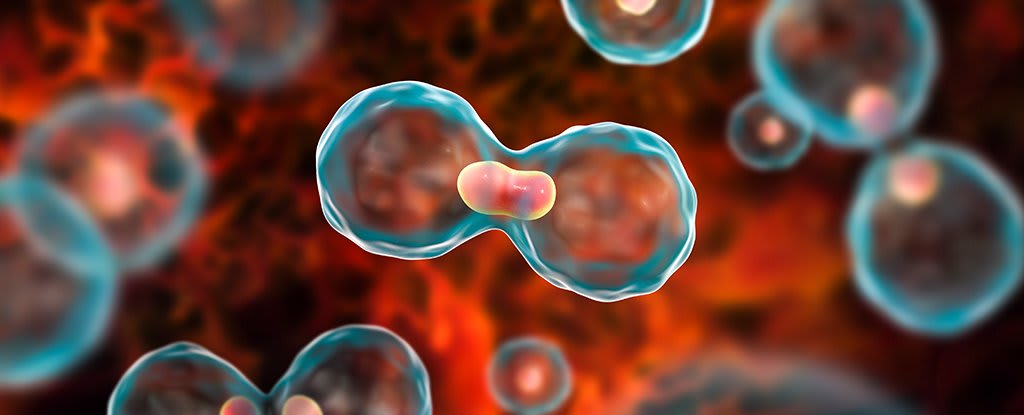
Cancer is a group of diseases characterized by the uncontrolled growth and spread of abnormal cells. Normally, cells grow, divide, and die in a controlled manner. However, when genetic mutations disrupt this process, cells may multiply uncontrollably, forming tumors. These tumors can be benign (non-cancerous) or malignant (cancerous). Malignant tumors invade nearby tissues and can metastasize, spreading to other parts of the body.
Common Types of Cancer
There are over 100 types of cancer, each classified by the organ or tissue where it originates. Some of the most prevalent types include:
1. Breast Cancer – Affects both women and men, though it is more common in women. Early detection through mammograms improves survival rates.
2. Lung Cancer – Strongly linked to smoking but can also occur in non-smokers due to environmental factors like radon or air pollution.
3. Prostate Cancer – The most common cancer in men, often growing slowly and detectable through PSA tests.
4. Colorectal Cancer – Affects the colon or rectum and is highly preventable with regular screenings like colonoscopies.
5. Skin Cancer – Includes melanoma, basal cell carcinoma, and squamous cell carcinoma, primarily caused by UV radiation exposure.
6. Leukemia – A blood cancer that affects bone marrow and blood cells, leading to abnormal white blood cell production.
Causes and Risk Factors
Cancer arises from a combination of genetic, environmental, and lifestyle factors. Some key contributors include:
* Genetic Mutations – Inherited gene changes (like BRCA1 and BRCA2 in breast cancer) can increase risk.
* Tobacco Use – Responsible for nearly 22% of cancer deaths worldwide, linked to lung, throat, and bladder cancers.
* Poor Diet & Obesity – Diets high in processed meats and low in fiber may raise colorectal cancer risk.
* Alcohol Consumption – Excessive drinking is associated with liver, breast, and esophageal cancers.
* Exposure to Carcinogens – Asbestos, benzene, and certain chemicals increase cancer risk.
* Chronic Infections – Viruses like HPV (cervical cancer) and Hepatitis B/C (liver cancer) play a role.
* Radiation – UV rays from the sun and medical imaging (in high doses) can damage DNA.
Early Detection and Diagnosis
Early detection significantly improves treatment success. Common diagnostic methods include:
* Imaging Tests (X-rays, MRIs, CT scans)
* Biopsies (tissue sample analysis)
* Blood Tests (e.g., PSA for prostate cancer)
* Genetic Testing (identifying inherited risks)
Screening programs, such as mammograms and Pap smears, help detect cancer before symptoms appear.
Treatment Options
Cancer treatment depends on the type, stage, and patient’s overall health. Common approaches include:
1. Surgery – Removing tumors when possible.
2. Chemotherapy – Using drugs to kill rapidly dividing cells (but also affects healthy cells).
3. Radiation Therapy – High-energy beams target and destroy cancer cells.
4. Immunotherapy – Boosts the immune system to fight cancer (a breakthrough in treating melanoma and lung cancer).
5. Targeted Therapy – Drugs attack specific cancer cell mutations with fewer side effects.
6. Hormone Therapy – Used for breast and prostate cancers that rely on hormones to grow.
Prevention Strategies
While not all cancers are preventable, lifestyle changes can reduce risk by up to 50%:
* Avoid Tobacco – Quitting smoking lowers lung cancer risk over time.
* Healthy Diet – Eat more fruits, vegetables, whole grains, and lean proteins. Limit processed foods.
* Regular Exercise – Physical activity reduces the risk of colon, breast, and other cancers.
* Sun Protection – Use sunscreen, wear protective clothing, and avoid tanning beds.
* Vaccinations – HPV and Hepatitis B vaccines prevent virus-related cancers.
* Limit Alcohol – Moderate consumption reduces cancer risks.
* Screenings – Regular check-ups catch cancer early.
The Future of Cancer Research
Medical advancements are transforming cancer treatment:
* Precision Medicine – Tailoring treatments based on a patient’s genetic profile.
* CAR-T Cell Therapy – Reprogramming immune cells to attack cancer (successful in blood cancers).
* Liquid Biopsies – Detecting cancer DNA in blood for early diagnosis.
* AI in Oncology – Machine learning helps predict treatment responses and drug discoveries.
Conclusion
Cancer remains a formidable challenge, but progress in research, early detection, and innovative therapies offers hope. By understanding risk factors, adopting preventive measures, and supporting ongoing research, we can move closer to a world where cancer is no longer a death sentence but a manageable condition.
For those battling cancer—patients, survivors, and caregivers—know that science is advancing, and every step forward brings us closer to a cure. Stay informed, stay proactive, and never lose hope.
About the Creator
Keep reading
More stories from Ahnaf Sami and writers in Earth and other communities.
Google Photos on Android can now give your old pics a whole new life.
Google Photos on Android Revitalizes Your Old Memories with AI-Powered Enhancements. In this day and age of smartphones, we take countless snapshots of countless occasions—birthdays, vacations, family get-togethers, and everyday moments—that frequently end up in our photo libraries. Poor lighting, blurry images, or images with an out-of-date resolution may cause these images to lose their appeal over time. However, with the help of cutting-edge AI enhancements, Google Photos on Android is now bringing your old photos back to life and turning them into stunning, high-quality images. Google Photos and AI's Potential Google Photos is not an exception to the company's long history of incorporating AI and machine learning into its products. The most recent updates make use of cutting-edge artificial intelligence (AI) algorithms to analyze and enhance old photos in ways that were previously only possible with advanced editing software. How Google Photos is reviving your old photos is as follows: 1. Sharpening the Past with Photo Unblur. Motion blur or camera shake, especially in low light, is one of the most annoying things about old photos. AI is used by Google Photos' "Photo Unblur" feature to sharpen details and reduce blurriness. This tool can make faces and objects clearer and reconstruct missing details from any photo, whether from your childhood or one you took on the spur of the moment years ago. 2. Enhanced Color Correction and Lighting. Poor exposure or fading can cause photos to lose their original vibrancy over time. Auto-enhancement tools that change brightness, contrast, and saturation to make old photos look newer are now available in Google Photos. The artificial intelligence can even bring back the richness of the original moment by recovering faded photographs' lost colors. 3. Using a Magic Eraser to get rid of unwanted objects. Have you ever wished you could get rid of distracting elements or photobombs from an old photo? On Google Photos for Android, the Magic Eraser tool, previously only available on Pixel devices, is now more widely available. After removing unwanted objects, it intelligently fills in the background using AI, making your old photos appear cleaner and more polished. 4. Portrait Light – Adding Professional Lighting Effects
By Ahnaf Sami11 months ago in Photography


Comments
There are no comments for this story
Be the first to respond and start the conversation.