
What Are Whales? Understanding the Biology of These Giant Mammals.
Whales are a diverse group of marine mammals that are found in all of the world's oceans.
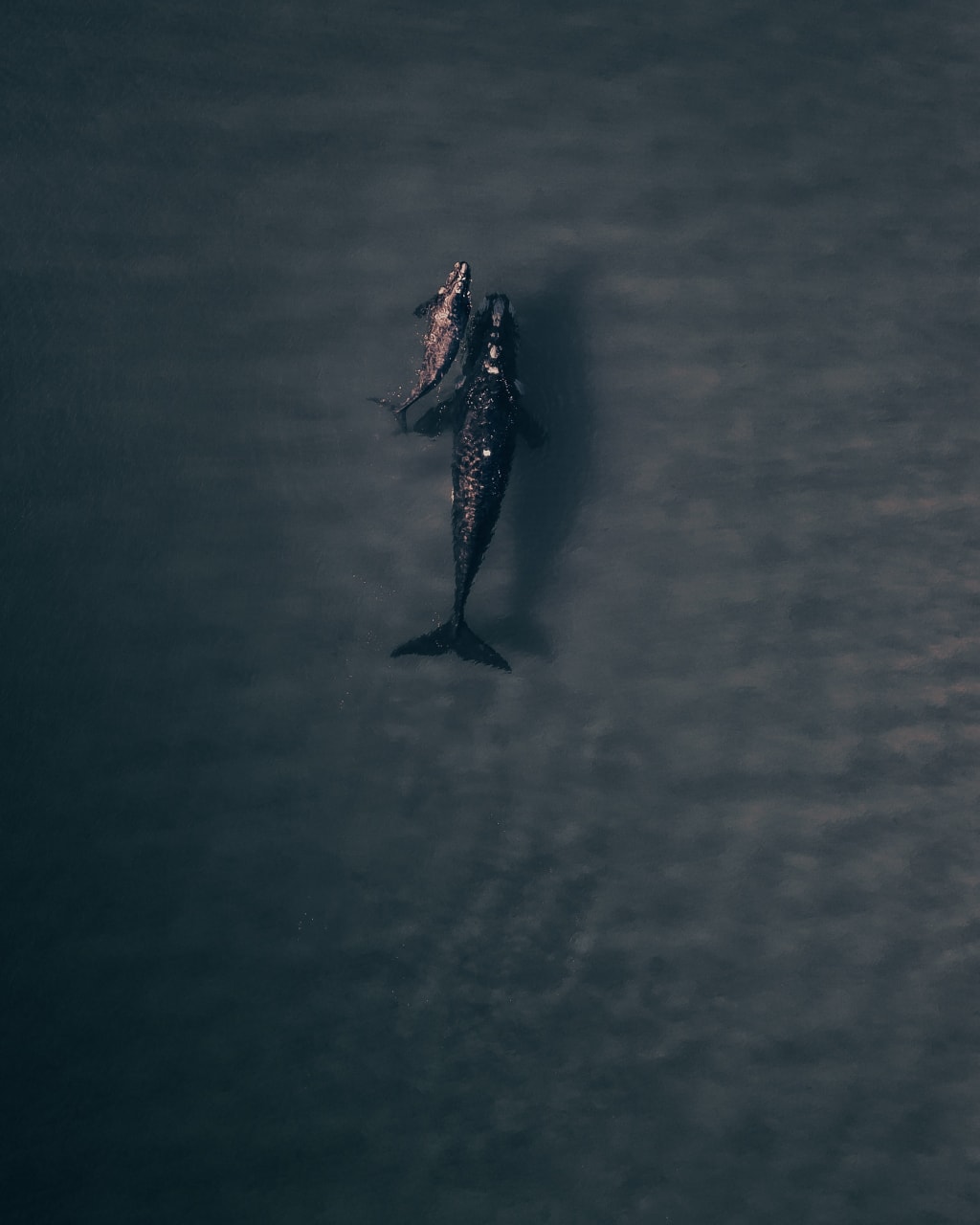
les are a diverse group of marine mammals that are found in all of the world's oceans. These majestic creatures are known for heir impressive size, ranging from the small dwarf sperm whale, which measures about 9 feet long, to the massive blue whale, which can grow up to 100 feet long and weigh as much as 200 tons.
Whales are members of the order Cetacea, which also includes dolphins and porpoises. Cetaceans are believed to have evolved from terrestrial mammals that returned to the sea around 50 million years ago. Over time, they developed a range of adaptations that allowed them to thrive in an aquatic environment, including streamlined bodies, flippers for steering and propulsion, and a blowhole for breathing.
One of the most striking adaptations of whales is their ability to dive to great depths for extended periods. Many whale species can stay underwater for up to an hour and dive to depths of over 1000 feet. To achieve this, they have developed a number of specialized physiological adaptations, including the ability to store large amounts of oxygen in their muscles and blood, and the ability to slow down their metabolism to conserve energy while underwater.
There are two main groups of whales: baleen whales and toothed whales. Baleen whales are so named because they have a comb-like structure called baleen in their mouths that they use to filter small fish and other planktonic creatures from the water. These whales are often large and slow-moving, and include species such as the humpback, gray, and blue whale.
Toothed whales, on the other hand, have teeth and are generally more agile and faster-moving than baleen whales. They include species such as the killer whale, sperm whale, and dolphin. Toothed whales hunt a variety of prey, including fish, squid, and other marine mammals.
One of the most iconic species of whale is the humpback whale. These whales are known for their acrobatic displays, including breaching (jumping out of the water), tail-slapping, and fin-slapping. They are also famous for their haunting songs, which are complex patterns of moans, cries, and whistles that can last up to 30 minutes. Scientists believe that these songs are used by males to attract females during the mating season.
Another well-known species of whale is the sperm whale. These whales are the largest of the toothed whales, and can grow up to 60 feet long. They are known for their distinctive, box-shaped heads and their ability to dive to great depths in search of squid, their primary food source. Sperm whales are also famous for their role in the novel Moby-Dick, in which the protagonist, Captain Ahab, becomes obsessed with hunting down a giant sperm whale.
Despite their impressive size and intelligence, many whale species are threatened by human activities such as hunting, fishing, and pollution. In the past, whales were hunted for their blubber, which was used to make candles, soap, and other products. Commercial whaling was banned by the International Whaling Commission in 1986, but some countries, such as Japan and Norway, still engage in whaling for scientific or cultural reasons.
Whales are also threatened by bycatch, which occurs when they become trapped in fishing nets and drown. Noise pollution from shipping and naval activities can also interfere with their ability to communicate and navigate, and pollution from plastics and other waste products can harm their health and disrupt their food supply.
Despite these threats, there are a number of conservation efforts underway to protect whale populations. These include the establishment of marine protected areas, restrictions on whaling and fishing practices, and efforts to reduce pollution and noise in the oceans.
In conclusion, whales are fascinating and unique creatures that have captured
About the Creator
Keep reading
More stories from Mr Royal Honey and writers in Earth and other communities.
Whale Songs: Understanding the Melodic Communication of Humpbacks.
Whale songs have captivated the imagination of humans for centuries, but it wasn't until the 1960s that researchers first began to uncover the secrets of these underwater melodies. Among the most famous of these songs are those of the humpback whale, a species known for its elaborate and haunting vocalizations that can last for hours at a time.
By Mr Royal Honey 3 years ago in Earth
Beckhams Spotted Together in Paris After Brooklyn Row
A Family Reunion in the City of Light David and Victoria Beckham were recently spotted together in Paris, drawing attention from fans and media alike. The appearance comes shortly after reports of a disagreement between the famous couple and their eldest son, Brooklyn Beckham, who has been navigating his own professional and personal endeavors.
By Aarif Lashari2 days ago in Earth




Comments
There are no comments for this story
Be the first to respond and start the conversation.