
Polar Vortex Collapse Forecast: What It Means and Why It Matters
Understanding the Arctic Disruption That Can Reshape Global Weather Patterns
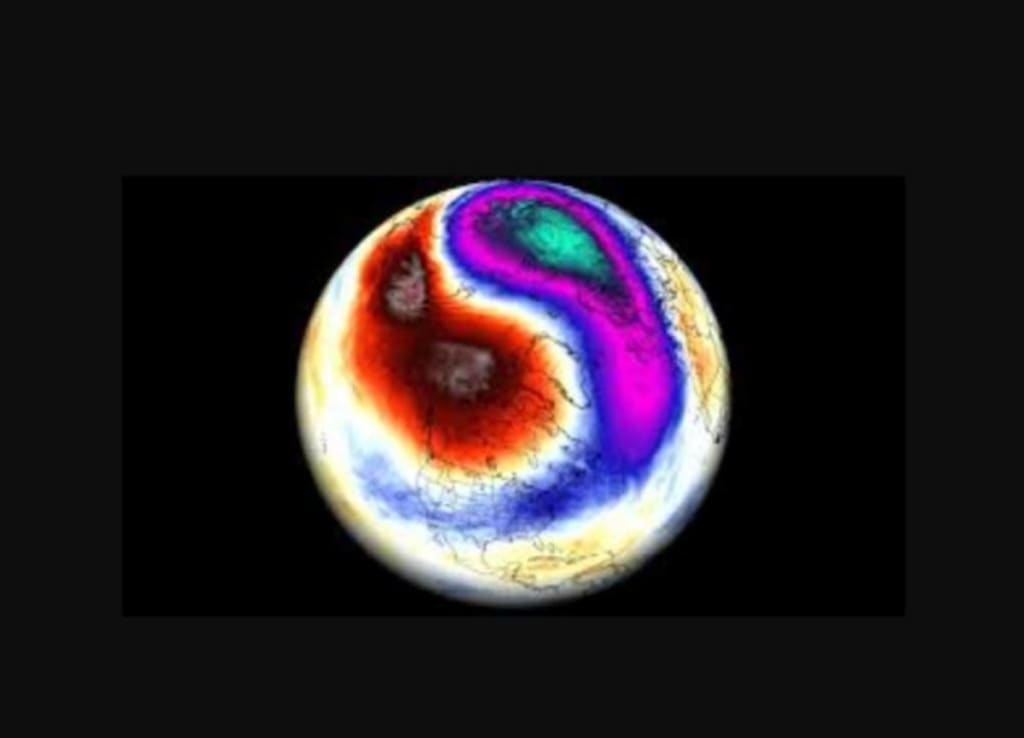
Every winter, weather headlines start throwing around dramatic phrases like “Arctic blast,” “deep freeze,” and increasingly, “polar vortex collapse.” While the term may sound like something out of a disaster movie, it refers to a very real atmospheric event—one that can have serious consequences for weather patterns across the globe. As scientists now forecast a potential polar vortex collapse, understanding what it means and why it matters has never been more important.
This phenomenon doesn’t just affect scientists or meteorologists. It can influence daily life, energy bills, travel safety, and even long-term climate discussions. So let’s break it down in a clear, practical way.
What Is the Polar Vortex?
The polar vortex is a large area of low pressure and extremely cold air that circles the Earth’s poles, high up in the atmosphere. It exists year-round, but it becomes strongest during winter. Under normal conditions, strong winds keep this cold air locked near the Arctic, preventing it from spilling southward.
Think of it as a spinning wall of wind that contains freezing temperatures. When the polar vortex is strong and stable, winter weather in many regions remains relatively predictable. But when it weakens, stretches, or collapses, that cold air can escape and travel far beyond the Arctic.
What Does “Polar Vortex Collapse” Mean?
A polar vortex collapse doesn’t mean the vortex disappears entirely. Instead, it refers to a major disruption in its structure, often caused by a sudden warming of the stratosphere—a layer of the atmosphere above where most weather occurs.
During this event, known as Sudden Stratospheric Warming (SSW), temperatures in the upper atmosphere can rise rapidly. This warming weakens the winds that hold the polar vortex together. When those winds slow down or reverse direction, the vortex can split or shift, allowing frigid Arctic air to move southward.
Meteorologists are currently forecasting conditions that could trigger such a collapse, raising concerns about significant weather changes in the weeks that follow.
Why Scientists Are Watching Closely
The reason experts pay close attention to polar vortex behavior is simple: what happens high above the Arctic can shape weather across entire continents.
Forecast models suggest that atmospheric patterns are aligning in a way that increases the likelihood of a vortex disruption. If it occurs, its effects may not be immediate, but they often unfold over several weeks. This delayed impact makes forecasting tricky, but it also provides valuable lead time for preparation.
For meteorologists, a potential polar vortex collapse is a signal that extreme or unusual weather may soon follow.
How a Polar Vortex Collapse Affects Weather
When the polar vortex weakens, the jet stream—the fast-moving band of air that guides weather systems—becomes more unstable. Instead of flowing smoothly west to east, it begins to dip and wave.
This shift can lead to several noticeable weather impacts:
Extreme Cold Outbreaks
Arctic air can surge southward, bringing dangerously low temperatures to regions unaccustomed to such cold.
Heavy Snow and Ice Storms
The interaction between cold air and moist systems can produce intense snowfall, freezing rain, and prolonged winter storms.
Weather Whiplash
Some areas may experience rapid temperature swings, bouncing between deep freezes and unusually mild conditions.
These effects are not limited to one country. North America, Europe, and parts of Asia often feel the consequences of a disrupted polar vortex.
Why It Matters to Everyday Life
A polar vortex collapse isn’t just a weather story—it’s a human story.
Public Safety
Extreme cold increases the risk of frostbite, hypothermia, and accidents caused by icy roads. Vulnerable populations, including the elderly and unhoused individuals, face the greatest danger.
Energy and Infrastructure
Cold snaps push heating demand to its limits, stressing power grids and fuel supplies. Frozen pipes, damaged roads, and disrupted transportation systems can create costly problems for cities and households alike.
Economic Impact
Severe winter weather can shut down businesses, delay shipments, and drive up energy costs. Even short-term disruptions can ripple through local and national economies.
The Climate Change Connection
One of the most debated questions surrounding polar vortex collapses is their relationship to climate change. While it may seem counterintuitive, a warming planet doesn’t eliminate cold weather. In fact, rapid Arctic warming may destabilize atmospheric patterns, making the polar vortex more prone to disruption.
As the temperature difference between the Arctic and lower latitudes decreases, the jet stream may weaken, increasing the chances of extreme weather events. Scientists are still studying this connection, but many agree that climate change is altering how these systems behave.
How Communities Can Prepare
While no one can prevent a polar vortex collapse, preparation can reduce its impact:
Local governments can issue early warnings and open warming shelters.
Residents can insulate homes, check heating systems, and keep emergency supplies.
Utility providers can strengthen infrastructure and plan for peak energy demand.
Awareness and readiness are key to minimizing risks when extreme cold strikes.
Final Thoughts
The polar vortex collapse forecast serves as a reminder of how interconnected Earth’s systems truly are. Changes in the upper atmosphere can influence weather thousands of miles away, shaping daily life in ways we often take for granted.
Understanding what a polar vortex collapse means—and why it matters—helps communities move from confusion to preparedness. As climate patterns continue to evolve, staying informed is one of the most powerful tools we have to face an increasingly unpredictable world.
About the Creator
Humans and Machines
Zarar Ahmed Beg was sitting in his office when accountant Abdul Haseeb entered. “Assalamu Alaikum, Sir! My son has been very ill for several days. His fever won’t go down. Please grant me a few days off, as he needs to be admitted to the hospital…”
By Sudais Zakwan5 days ago in Earth
One Hard Thing
Stop me if you’ve heard this one before: You have the number, you know your schedule- you’ve even picked out the perfect day and time to make this appointment. Shoot, you’ve even picked out alternative days and times just in case their schedules can’t accommodate you!
By Taylor Rigsby3 days ago in Motivation




Comments
There are no comments for this story
Be the first to respond and start the conversation.