
WATER IS LIFE
Water is Life, but now we're turning off the faucet
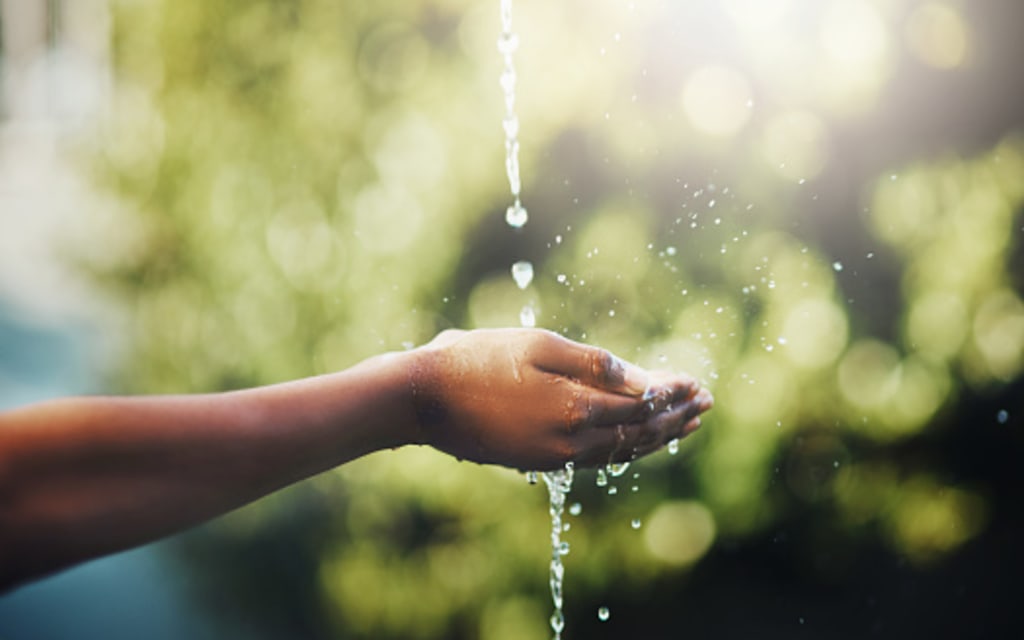
WATER IS LIFE
Water is Life, but now we're turning off the faucet
Water is the most precious resource on Earth, and for good reason. It's the foundation of all life as we know it, and without it, we would simply cease to exist. Water is the substance that makes up the majority of our bodies, and it plays a crucial role in virtually every biological process that takes place within us. From regulating our body temperature and maintaining healthy organ function to flushing out toxins and delivering vital nutrients, water is truly the lifeblood of our existence.
But what would happen if we were to suddenly stop drinking water? How long would it take for our bodies to start shutting down, and what kind of physical and mental effects would we experience? In this article, we'll take a closer look at the devastating consequences of dehydration and explore the vital role that water plays in our lives.
The Importance of Water in the Human Body
As we mentioned earlier, water makes up a significant portion of the human body. In fact, the average person is composed of anywhere from 50 to 70 percent water, depending on their age, sex, and overall health. This essential substance is found in every cell, tissue, and organ in the body, and it's involved in a vast array of physiological processes.
One of the most important functions of water is to help regulate body temperature. When we're hot, we sweat, and the evaporation of sweat from our skin helps to cool us down. This process requires water, and if we don't have enough of it in our bodies, we can quickly overheat and suffer from heat exhaustion or heatstroke.
Water also plays a vital role in maintaining healthy organ function. Our kidneys, for example, rely on water to filter waste and excess fluids from the blood, which is then excreted in the form of urine. Without enough water, our kidneys can't do their job effectively, and waste products can build up in our bodies, leading to a range of health problems.
In addition to its role in regulating body temperature and supporting organ function, water also helps to transport nutrients throughout the body. When we eat food, the nutrients it contains are broken down and absorbed into the bloodstream. Water helps to carry these nutrients to the various parts of the body where they're needed, ensuring that our cells and tissues have the fuel they need to function properly.
Finally, water is also crucial for removing waste products from the body. When we metabolize food, our cells produce waste products that need to be eliminated. Water helps to flush these waste products out of the body, keeping our system clean and healthy.
What Happens When You Stop Drinking Water?
Given the vital role that water plays in our bodies, it's easy to see why dehydration can be so dangerous. When we don't drink enough water, our bodies can't function properly, and a range of physiological and psychological effects can occur.
In the first few hours after you stop drinking water, you may not feel thirsty yet. However, this will quickly change as your body starts to realize that it's not getting enough fluids. You may start to feel dryness in your mouth and throat, and you may feel a little lightheaded or dizzy.
Over the next few days, your body will start to react more strongly to the lack of water. Your kidneys will slow down their production of urine, which means that you won't be able to go to the bathroom as much. This is your body's way of holding onto as much water as possible in order to keep you hydrated.
However, as your body becomes more and more dehydrated, your blood will start to thicken and become more sluggish. This can lead to a range of symptoms, including headaches, fatigue, and nausea, by day three of not drinking water.
About the Creator
Keep reading
More stories from Agnes Tusabe and writers in Earth and other communities.
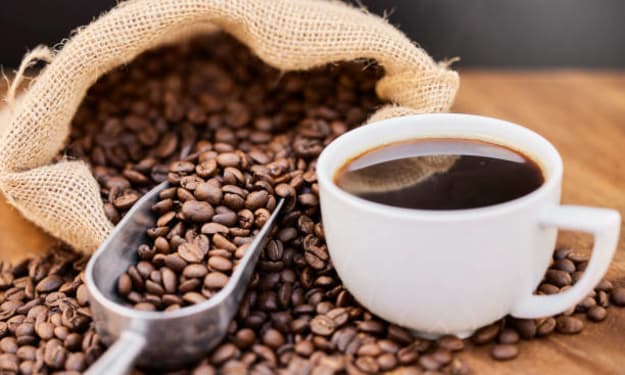
A BAD IDEA TO HAVE COFFEE ON AN EMPTY STOMACH?
If you love starting your day with a cup of coffee, you are not alone. But you may have asked yourself whether it's better to avoid drinking coffee on an empty stomach. While coffee can help you feel more alert and less tired, and caffeine may boost your brain function, mood, and exercise performance, the bitterness of this drink can make your stomach produce more acid. Some people say it can irritate the stomach or even cause further stomach issues. Others believe that drinking coffee on an empty stomach is particularly bad because there's no other food that can prevent that acid from causing problems. However, there is no research that has found any connection between coffee and digestive problems, whether you drink it on an empty stomach or not. Nevertheless, it's important to pay attention to how your body reacts to coffee and whether you feel better drinking it before or after breakfast.
By Agnes Tusabe3 years ago in Lifehack
Pakistan and China Seek to Boost Bilateral Agricultural Trade
Pakistan and China are taking steps to enhance their bilateral agricultural trade, reflecting a growing focus on food security, technological exchange, and economic cooperation. This initiative comes as both countries look to strengthen ties within the framework of the China-Pakistan Economic Corridor (CPEC) and broader trade agreements, while addressing domestic and global challenges in the agricultural sector.
By Muhammad Hassan3 days ago in Earth
Birds with Wild Hairdos
Cockatoos are known for their expressive crests, which they raise or lower depending on their mood. The crests can be white, yellow, or pink. These charismatic birds are native to the Australian continent, the islands of the Indo-Australian archipelago, and parts of New Guinea. There are 21 different species of cockatoo, varying in size from the diminutive Galah to the imposing Sulphur-crested Cockatoo. Most cockatoo species are highly social birds, forming strong pair bonds that often last a lifetime. Cockatoos are primarily herbivores, with a diet consisting of seeds, nuts, fruits, roots, and occasionally insects and larvae.
By Rasma Raisters7 days ago in Earth
Autonomy Is The Real Privilege
Good morning, freedom-seekers! Today we’re gonna be looking at autonomy. A strange word, I know; one many would probably look at blankly and run away from on sight. We’re gonna figure out what it actually means, consider how it’s achieved, and decipher just how deeply most of us are tangled up in dependence without realising it.
By That ‘Freedom’ Guy4 days ago in Humans



Comments
There are no comments for this story
Be the first to respond and start the conversation.