
Pakistan and China Seek to Boost Bilateral Agricultural Trade
Strengthening Food Security and Economic Ties Through Expanded Agricultural Cooperation

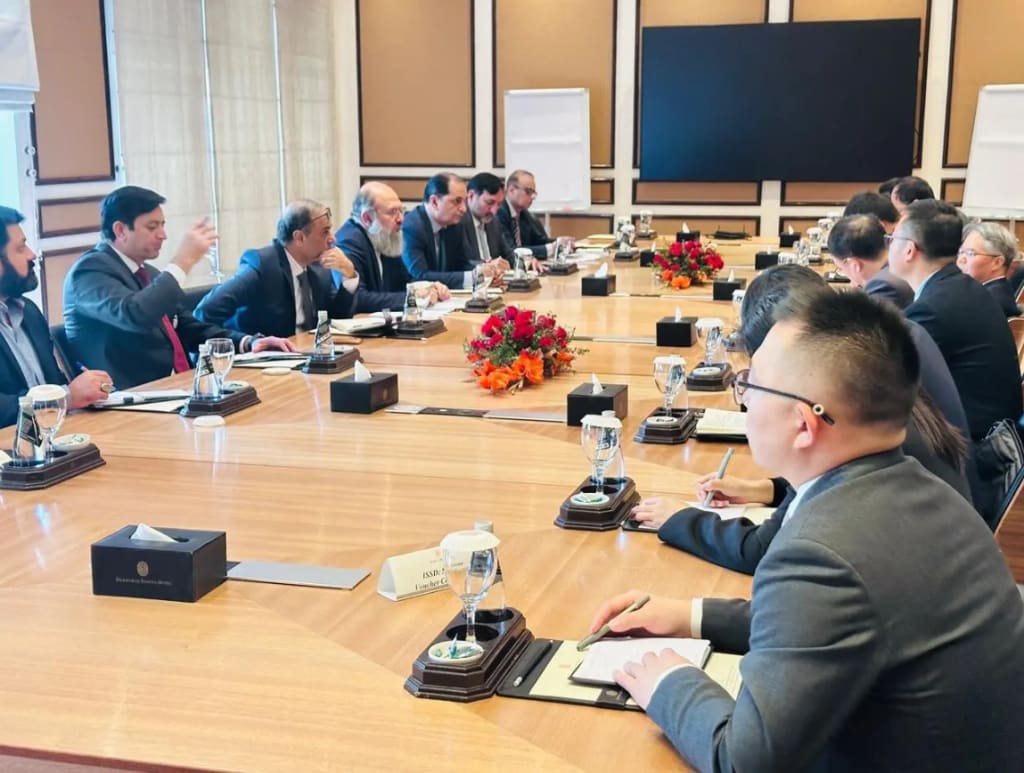
Pakistan and China are taking steps to enhance their bilateral agricultural trade, reflecting a growing focus on food security, technological exchange, and economic cooperation. This initiative comes as both countries look to strengthen ties within the framework of the China-Pakistan Economic Corridor (CPEC) and broader trade agreements, while addressing domestic and global challenges in the agricultural sector.
Agriculture remains a cornerstone of Pakistan’s economy, contributing nearly 19% of GDP and employing over 40% of the labor force. Meanwhile, China, as the world’s largest agricultural market, has significant demand for imported food and agricultural products, creating a natural complementarity for trade expansion.
Historical Context of Pakistan-China Agricultural Trade
Pakistan and China have maintained trade relations for decades, primarily focusing on textiles, machinery, and energy projects. While agricultural trade has historically been modest, there has been growing recognition of the potential benefits:
Pakistan can supply high-quality rice, fruits, vegetables, and dairy products.
China offers agricultural technology, machinery, fertilizers, and crop management expertise.
Past initiatives included small-scale export agreements and pilot projects under CPEC, but both governments now appear intent on formalizing and expanding trade channels, with a strategic focus on increasing agricultural exports from Pakistan to China.
Key Objectives of Enhanced Agricultural Cooperation
Officials from both countries have outlined several goals for strengthening trade:
Increasing Pakistani exports to China: By improving product quality, packaging, and meeting Chinese regulatory standards, Pakistan aims to capture a larger share of China’s agricultural import market.
Technology transfer: China can provide expertise in mechanized farming, irrigation techniques, and high-yield crop production to help modernize Pakistan’s agricultural sector.
Food security: Diversifying sources of agricultural imports and exports strengthens food security in both nations.
Joint investment: Encouraging Chinese investment in Pakistani farms, processing plants, and cold storage facilities to improve supply chain efficiency.
Officials have emphasized that mutual benefit and sustainability are key guiding principles for this collaboration.
Potential Agricultural Products for Trade
Several categories have been identified as having strong growth potential:
Rice: Pakistan is one of the world’s largest exporters of basmati and non-basmati rice varieties, which are increasingly in demand in China.
Fruits and vegetables: Citrus fruits, mangoes, and kinnow from Pakistan can meet China’s growing demand for fresh produce.
Dairy products: There is potential for high-quality milk, cheese, and yogurt exports.
Cotton and pulses: Both are staples of Pakistan’s agricultural production with market potential in China.
By focusing on these high-demand sectors, Pakistan hopes to diversify its export portfolio and reduce reliance on traditional markets in Europe and the Middle East.
Trade Infrastructure and Logistics
Enhancing agricultural trade between Pakistan and China will require investments in logistics, cold chains, and transportation networks. Officials are considering:
Upgrading rail and road links under CPEC to facilitate faster movement of perishable goods.
Establishing modern cold storage and packaging facilities to maintain product quality.
Simplifying customs and regulatory procedures to reduce delays and improve efficiency.
Experts say that without addressing these logistical challenges, increased trade volumes may not translate into sustainable growth.
Benefits for Pakistani Farmers
If successful, enhanced trade with China could bring significant benefits to Pakistani farmers:
Higher income: Access to a large, lucrative market could increase earnings for producers of rice, fruits, and vegetables.
Access to technology: Modern machinery, irrigation systems, and crop management tools could boost productivity and reduce costs.
Market stability: Long-term trade agreements with China can provide a stable market for agricultural products, reducing dependence on fluctuating domestic demand.
Government programs are expected to provide training and support to farmers to help them meet Chinese standards and quality requirements.
Environmental and Sustainability Considerations
Officials have highlighted the importance of sustainable agricultural practices to ensure that trade expansion does not harm the environment. This includes:
Promoting water-efficient irrigation techniques to address water scarcity in Pakistan.
Encouraging organic and pesticide-free cultivation to meet China’s strict import standards.
Implementing crop diversification and soil management practices to maintain long-term productivity.
Sustainability will be a critical factor in ensuring that trade growth is both profitable and responsible.
Challenges Ahead
Despite the promising outlook, several challenges could impact the success of Pakistan-China agricultural trade:
Regulatory hurdles: Meeting Chinese import regulations and food safety standards can be complex.
Logistical constraints: Transportation delays and insufficient cold storage could reduce the quality of perishable goods.
Market competition: Other countries, such as India, Thailand, and Vietnam, are also competing for China’s agricultural import market.
Climate risks: Extreme weather events and water scarcity could affect crop yields in Pakistan, impacting export volumes.
Addressing these challenges will require coordinated efforts between government agencies, trade bodies, and private-sector partners.
Looking Ahead
With careful planning and strategic investments, Pakistan and China have an opportunity to significantly enhance bilateral agricultural trade. The partnership has the potential to:
Boost Pakistan’s export earnings
Strengthen China’s access to high-quality food products
Modernize Pakistan’s agricultural sector
Improve food security and sustainability for both nations
Officials from both countries are expected to finalize a roadmap for implementation, including trade agreements, technology-sharing initiatives, and infrastructure projects under CPEC.
Conclusion
Pakistan and China’s renewed focus on agricultural cooperation represents a win-win scenario: Pakistan gains access to a large and lucrative market, while China secures reliable imports of high-quality agricultural products. If successful, this collaboration could serve as a model for bilateral trade partnerships in agriculture, combining economic growth, technological advancement, and sustainable practices.
About the Creator
Muhammad Hassan
Muhammad Hassan | Content writer with 2 years of experience crafting engaging articles on world news, current affairs, and trending topics. I simplify complex stories to keep readers informed and connected.
Keep reading
More stories from Muhammad Hassan and writers in Earth and other communities.
Locked Exits, Panic, and Desperate Calls: Survivors Recount Mall Fire Horror
A tragic fire at a busy shopping mall has left the public in shock as survivors recount the harrowing moments when flames and smoke consumed the building. Eyewitness accounts describe locked exits, panicked crowds, and desperate calls for help, painting a chilling picture of the chaos inside.
By Muhammad Hassanabout 4 hours ago in Earth
El Niño is likely to return in 2026. Here's what that means for Houston and Texas.
La Niña has been active since mid-October. However, according to the January update from the National Oceanic and Atmospheric Administration, it’s likely to end over the next couple of months, and a transition to El Niño is likely to occur later this year.
By Dena Falken Esq7 days ago in Earth
High-Speed Train Crash in Southern Spain Leaves at Least 21 Dead
A devastating high-speed train crash in southern Spain has left at least 21 people dead and dozens injured, shocking the nation and triggering a major emergency response. The incident, which occurred on a busy rail route connecting key southern cities, has reignited concerns over railway safety, infrastructure maintenance, and emergency preparedness in one of Europe’s most advanced rail networks.
By Aarif Lashari3 days ago in Earth
The CEO of Everything
They say "jack of all trades, master of none," but they forgot to mention the part where the jack of all trades is also the camera woman, the makeup artist, and the person currently yelling at a tangled Wii microphone cable in a her own bathroom while recording herself singing and trying to make it look realistic and professional. (As professional as you can make it with nothing but a cell phone camera and a mic that doesn't work)
By Sara Wilson4 days ago in Humans


Comments
There are no comments for this story
Be the first to respond and start the conversation.