
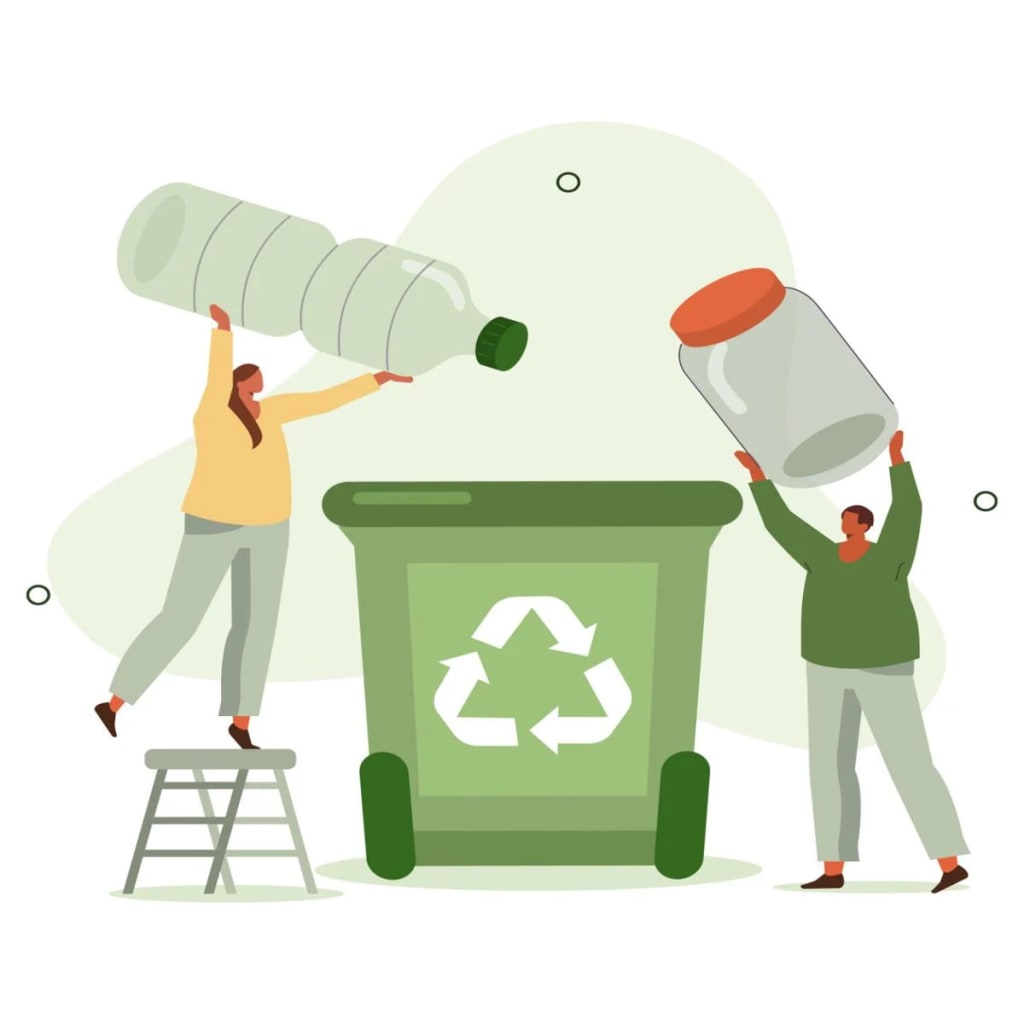
Recycling is a waste management method that is widely recognised and practised. Its primary objective is to gather and process diverse materials, such as paper, plastic, glass, and metal, in order to create new goods. The primary objective of recycling is to prevent the waste of precious resources and reduce the amount of dependency on the mining and processing of raw materials sourced from the natural environment.
In most cases, there are a number of critical stages involved in the recycling process. To begin, recyclable materials may be gathered at drop-off centres, curbside collection programmes, or other types of facilities specifically designed for recycling. After being gathered together, the components go through a process of classification based on the nature and grade of each component. This stage is essential to ensure that the recycling process is carried out in an effective and efficient manner. In order to simplify and expedite the sorting process, it is common practise to make use of cutting-edge technologies such as optical scanners and magnetic separators.
After being sorted, the recyclable materials go through a cleaning procedure that removes any impurities that may have been introduced during the sorting step. This procedure is essential to ensure that the final goods made from recycled materials satisfy quality requirements. For example, polymers go through a washing and drying process, while paper and cardboard may be de-inked in order to remove ink and other impurities. Both processes are intended to clean the material. The procedure for cleaning differs from one type of recyclable material to another because of this.
After being cleaned, the materials next go through the process of being turned into raw materials so that they can be used in the manufacturing of new products. The different kinds of materials require different approaches to the transformation process. For instance, paper and cardboard can be converted into new paper goods via the process of pulping and processing. Plastics are melted down and reshaped to generate new plastic products, whereas glass must first be crushed before being melted down to make new glass goods. In order to create new metal goods, metals are frequently melted down and utilised in the process.
Recycling has a wide range of positive effects and a plethora of advantages to provide. To begin, it reduces the amount of waste that is sent to landfills, which eases the pressure that is placed on the available landfill space. This is especially essential given that landfills have the ability to both contribute to pollutants in the surrounding environment and offer possible risks to human health. Materials are given a new lease of life through the process of recycling, which reduces the need for the extraction of raw materials and the environmental problems that are involved with that process.
In addition to this, recycling helps reduce overall energy consumption. When compared to the manufacture of items made from virgin materials, the manufacturing of goods made from recycled materials often requires a lower amount of energy. For example, the amount of water and energy required to produce paper from recycled pulp is significantly lower than that required to produce paper from virgin wood pulp. In a similar vein, recycling aluminium can save around 95% of the energy that would have been used to manufacture aluminium from bauxite ore.
Recycling, in addition to other energy-saving measures, is a critical component in the process of lowering emissions of greenhouse gases. Emissions of carbon dioxide and other greenhouse gases are contributed to by the mining, processing, and shipping of virgin raw materials. Recycling lessens the need for virgin resources, which in turn leads to a reduction in the emissions associated with the manufacturing of those materials. To give just one example, the recycling of one tonne of plastic can prevent the release of nearly 1.8 tonnes of carbon dioxide.
In conclusion, recycling is a crucial waste management method that should be implemented in order to conserve resources and reduce negative consequences on the environment. It entails gathering, sorting, cleaning, and changing materials that can be recycled into raw materials that can be used in the manufacturing of new items. Recycling makes a substantial contribution to sustainable waste management and encourages an environmentally friendly future. It does this by preventing waste from being dumped in landfills, saving energy, and lowering emissions of greenhouse gases.
About the Creator
IN Seyha
I am the one who love to learn news things and love reading. I want to share what I have read with you too.
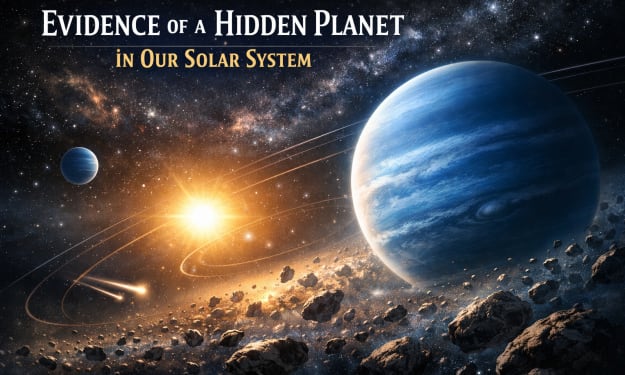
Evidence Suggests a Large Hidden Planet May Exist in Our Solar System
For centuries, scientists believed the major members of our Solar System were fully known. From the rocky inner planets to the gas giants and icy bodies beyond, astronomers thought they had mapped most of the significant objects orbiting the Sun. However, new research by American scientists suggests that a large, hidden planet may still be lurking in the distant reaches of our Solar System.
By Irshad Abbasi 3 days ago in Earth


Comments
There are no comments for this story
Be the first to respond and start the conversation.