
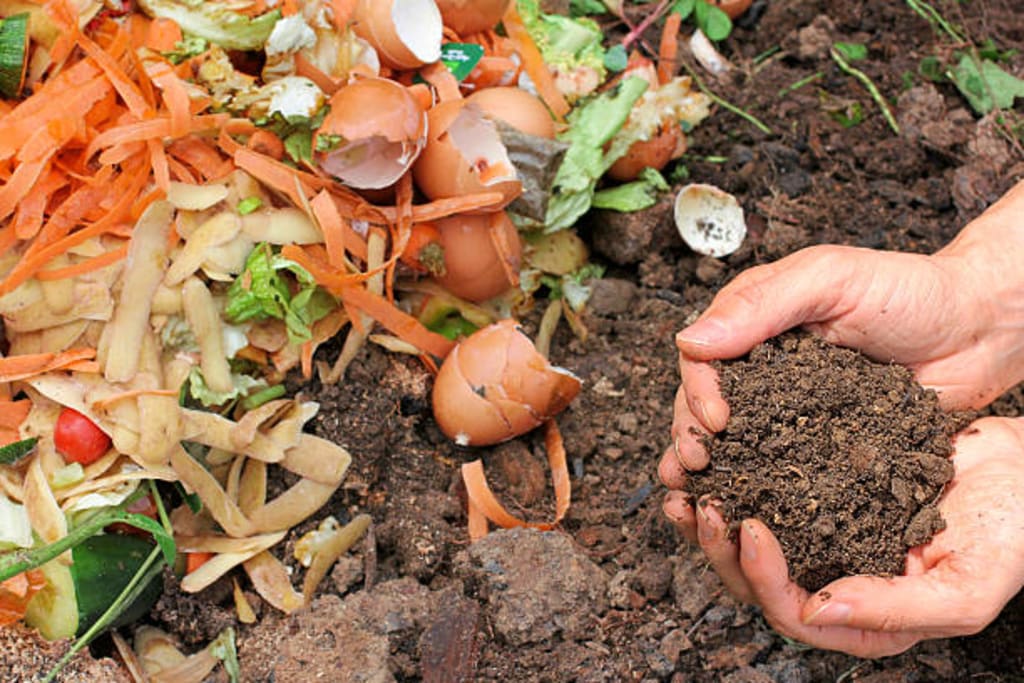
The transformation of organic waste into compost that is rich in nutrients is the goal of composting, which is a method of waste management that is gentler on the environment. It is a very efficient strategy for keeping organic waste out of landfills and transforming that trash into a useful resource.
A substantial percentage of organic matter is contained in organic waste, which includes food scraps, yard trimmings, leaves, and agricultural leftovers, among other things. When these items are put into landfills, they go through a process of anaerobic decomposition, which results in the production of methane gas. Methane is a powerful greenhouse gas that plays a role in the progression of climate change. Composting organic waste, as opposed to putting it in landfills, is an effective way to cut methane emissions and save money.
Composting can be done in a number of different ways, ranging from do-it-yourself projects in the garden to large-scale operations in municipal composting facilities. Composting in one's own backyard is a straightforward and convenient solution for individuals and households. Rather than throwing away food scraps and other organic materials, you can turn them into compost by utilising a compost container or making a compost pile. In order to supply oxygen for the process of decomposition, the pile or bin needs be turned or aerated on a regular basis. Compost is produced when organic matter is decomposed into its component parts by microorganisms such as bacteria, fungus, and other decomposers. This process takes some time.
Composting facilities on the municipal level are often larger-scale operations that process organic waste from a variety of sources, including households, corporations, and other types of institutions. Composting vast quantities of organic waste in an effective manner requires the use of specialised equipment and procedures, which are provided by these institutions. Before being placed in big composting mounds, the trash is often sorted through and processed in order to eliminate pollutants such as plastic and metal. The piles are turned and checked on a regular basis to ensure that the decomposition process is carried out correctly and that temperature regulation is maintained. After that, the compost that was produced is put to use in a variety of contexts, such as in agricultural endeavours, landscaping, and ground-improvement initiatives.
The fertility and health of the soil are both improved by compost to a significant degree. It is packed with a wide variety of nutrients, including nitrogen, phosphorus, potassium, and micronutrients, all of which are necessary for the development of plants. When compost is worked into soil, the soil's structure, ability to retain water, and capacity to hold nutrients are all improved. In addition to this, it stimulates the growth of microorganisms in the soil, which contributes to the maintenance of a balanced ecosystem in the soil. Gardeners, landscapers, and farmers can improve the overall health of their plants and increase their yields by increasing their use of compost. This will also minimise their reliance on synthetic fertilisers.
Composting not only helps to cut down on methane emissions and improve the health of soil, but it also helps cut down on waste and preserves resources. Composting helps to reduce the amount of space required for landfills and extends the useful life of existing landfills by diverting organic waste away from landfills. Additionally, it lessens the need for synthetic fertilisers, the production of which requires a lot of energy and frequently makes use of resources that aren't renewable. Because healthy soils that have been enhanced with compost are more resistant to pests and illnesses, composting can also help minimise the need for chemical pesticides and herbicides.
Composting is a sustainable waste management practise that may be performed at a variety of levels, ranging from individual houses to large-scale municipal operations. Composting can be done in a number of different ways. The promotion and support of composting programmes can come from a variety of sources, including individuals, communities, and governments. To achieve this goal, education and awareness campaigns, the provision of resources and infrastructure for composting, as well as the implementation of policies and regulations that encourage composting and prohibit the disposal of organic waste in landfills are all viable options.
In conclusion, composting is an effective waste diversion practise that enables the decomposition of nutrient-rich compost from organic waste. This compost can then be reused. It helps preserve resources, increases soil health and fertility, lowers methane emissions, and supports sustainable agricultural and landscaping practises. We may take steps towards a more sustainable and ecologically friendly future by embracing composting and implementing it into our systems for the management of garbage.
About the Creator
IN Seyha
I am the one who love to learn news things and love reading. I want to share what I have read with you too.
Australia Horticulture Market 2026: Climate-Smart Farming, Export Demand & Agri-Tech Innovation
Australia Horticulture Market Overview Australia’s horticulture market plays a crucial role in the country’s agricultural economy, supplying fresh fruits, vegetables, nuts, flowers and nursery products to both domestic and international markets. The sector is widely recognized for high-quality produce, strong biosecurity standards and advanced farming practices. Growing consumer demand for nutritious foods, expanding export opportunities and continuous technological innovation in agriculture are driving sustained development across Australia’s horticulture industry.
By Amyra Singh6 days ago in Earth



Comments
There are no comments for this story
Be the first to respond and start the conversation.