
Wall Street–Backed Landlords Become a Rare Target for Both Trump and Democrats
As housing costs soar, political rivals find common ground in criticizing powerful corporate property owners

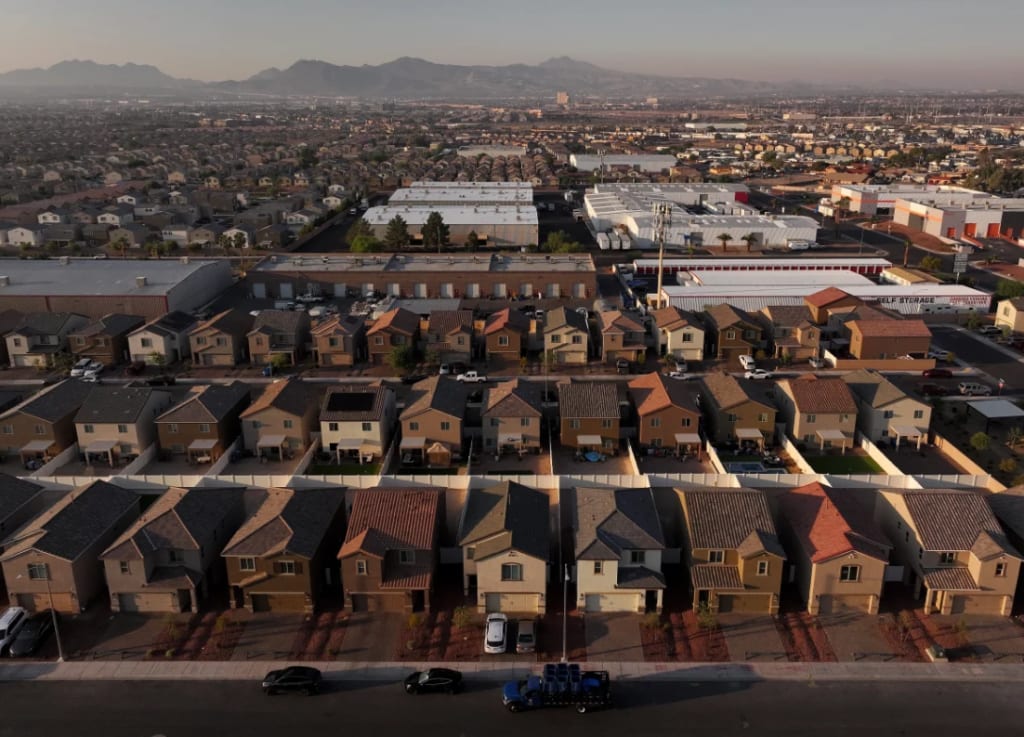
In an era of deep political polarization, agreement between Donald Trump and Democratic leaders is increasingly rare. Yet one issue has unexpectedly drawn criticism from both sides of the aisle: Wall Street–backed landlords. As housing affordability reaches crisis levels across the United States, large investment firms that own thousands of rental properties are facing growing political scrutiny—from conservatives and progressives alike.
Once praised for stabilizing housing markets after the 2008 financial crisis, institutional landlords are now accused of driving up rents, squeezing tenants, and prioritizing profits over people. With elections approaching and public frustration mounting, these corporate landlords have become a convenient—and powerful—symbol of what many see as a broken housing system.
Who Are Wall Street–Backed Landlords?
Wall Street–backed landlords are typically large investment firms, private equity groups, or real estate investment trusts (REITs) that own and manage massive portfolios of residential properties. These companies often buy single-family homes or apartment complexes in bulk, using sophisticated data tools to maximize returns.
Their rise accelerated after the housing crash of 2008, when foreclosed homes flooded the market. Large investors stepped in, purchasing properties at discounted prices and turning them into long-term rental assets. Over time, their footprint expanded, especially in fast-growing cities and suburban neighborhoods.
While proponents argue these firms bring efficiency and professionalism to property management, critics say their scale gives them excessive power over local housing markets.
Trump’s Criticism: Framing Corporate Landlords as Elites
Donald Trump’s criticism of Wall Street–backed landlords fits neatly into his broader populist messaging. Although often associated with business interests, Trump has increasingly portrayed himself as a defender of ordinary Americans against powerful elites.
In speeches and policy discussions, Trump and his allies have suggested that corporate landlords contribute to rising rents and reduced homeownership, particularly among working-class families. The argument resonates with voters who feel priced out of housing markets and resent distant corporations owning homes in their communities.
Trump’s criticism also reflects a strategic shift. By targeting Wall Street landlords, he can appeal to voters frustrated with high living costs without directly attacking small, individual property owners—many of whom form part of his political base.
Democrats’ Longstanding Concerns About Corporate Ownership
For Democrats, criticism of institutional landlords is nothing new. Progressive lawmakers have long argued that corporate ownership of housing turns a basic human need into a speculative asset. They point to rent hikes, aggressive eviction practices, and limited tenant protections as evidence that profit-driven landlords harm vulnerable communities.
Democrats have proposed measures such as stricter rent regulations, increased transparency in ownership, and limits on how many homes large investors can purchase in certain markets. Some have also called for higher taxes on institutional landlords or incentives for selling homes back to individual buyers.
From this perspective, Wall Street–backed landlords represent a broader problem of financialization—where housing is treated less as shelter and more as a financial instrument.
Why Housing Has Become a Political Flashpoint
The renewed focus on corporate landlords comes at a time when housing affordability is dominating public concern. Rents have surged in many cities, mortgage rates have risen, and home prices remain out of reach for millions.
Younger Americans, in particular, feel shut out of homeownership, while renters face limited options and rising monthly costs. This environment has made housing a powerful political issue—one that cuts across traditional party lines.
Blaming Wall Street–backed landlords allows politicians to channel public anger toward a visible target, rather than confronting the more complex mix of zoning laws, supply shortages, and economic inequality that also contribute to the crisis.
Do Corporate Landlords Really Drive Rent Increases?
The impact of institutional landlords on rent prices is still debated. Some studies suggest that in markets where large investors dominate, rents tend to rise faster and tenant complaints are more common. Critics argue that algorithm-driven pricing and limited competition give these firms an advantage over individual landlords.
Others counter that corporate landlords own only a small percentage of total housing stock nationwide and that broader economic factors—such as supply shortages and population growth—play a larger role in rising costs.
Still, perception matters in politics. For many renters, it feels different negotiating with a corporate entity than with a local owner, especially when rent increases appear automated and inflexible.
A Rare Area of Bipartisan Pressure
What makes this issue unusual is the overlap in rhetoric between Trump and Democrats, even if their motivations differ. Trump frames corporate landlords as part of an out-of-touch financial elite, while Democrats see them as a threat to housing justice.
This rare convergence does not necessarily mean shared solutions. Trump has generally opposed strong federal regulation, while Democrats favor a more interventionist approach. Yet the shared criticism signals that large landlords may face increased scrutiny regardless of which party gains power.
For Wall Street–backed firms, this bipartisan pressure represents a growing political risk.
What Comes Next for Housing Policy?
Whether this political attention leads to meaningful reform remains uncertain. Housing policy is complex, and targeting corporate landlords alone is unlikely to solve affordability issues. Still, the shift in tone suggests that policymakers are increasingly aware of public frustration.
Possible outcomes include greater oversight, new reporting requirements, or incentives aimed at boosting homeownership. Even modest changes could reshape how institutional landlords operate.
Conclusion
Wall Street–backed landlords have become an unlikely unifying target in American politics, criticized by both Trump and Democrats amid a worsening housing crisis. While their exact role in rising housing costs is debated, their growing influence has made them a symbol of broader economic frustration.
As voters continue to feel the pressure of high rents and limited housing options, corporate landlords are likely to remain in the political spotlight. Whether this attention results in real change—or simply campaign rhetoric—will depend on how seriously leaders confront the deeper challenges facing the housing market.
For now, one thing is clear: housing has become too important an issue to ignore, and even political rivals are taking notice.
About the Creator
Muhammad Hassan
Muhammad Hassan | Content writer with 2 years of experience crafting engaging articles on world news, current affairs, and trending topics. I simplify complex stories to keep readers informed and connected.
Keep reading
More stories from Muhammad Hassan and writers in Earth and other communities.
For Russia, Greenland Offers an ‘Ideal Solution’ to Its Ukraine Problem
In the complex chessboard of global geopolitics, some developments become unexpectedly powerful tools. One such flashpoint today is Greenland — the icy Arctic territory of Denmark that has suddenly captured international attention. While the world focuses on former U.S. President Donald Trump’s renewed interest in Greenland, Moscow is quietly calculating how this turmoil could serve its broader interests, particularly in the context of the war in Ukraine.
By Muhammad Hassan2 months ago in Earth
Pandora’s Burden
“My brother warned me to not accept gifts from the one who commissioned you,” said Epimetheus to the woman clad in silvery raiments standing at the entrance to the temple. Her silver tiara and the silver rings on her fingers and toes glinted in the firelight cast by torches set on either side of the doorway. Lingering in the shadows, beyond the reach of the flames as she was, he could not tell what she held in her hands. At first what appeared to be a box was perhaps a funerary urn, or maybe merely an apple.
By J. Otis Haas3 days ago in Fiction




Comments
There are no comments for this story
Be the first to respond and start the conversation.