
Understanding the Core Differences Between Pyrolysis and Carbonization
Sustainable Resource Recovery Solutions
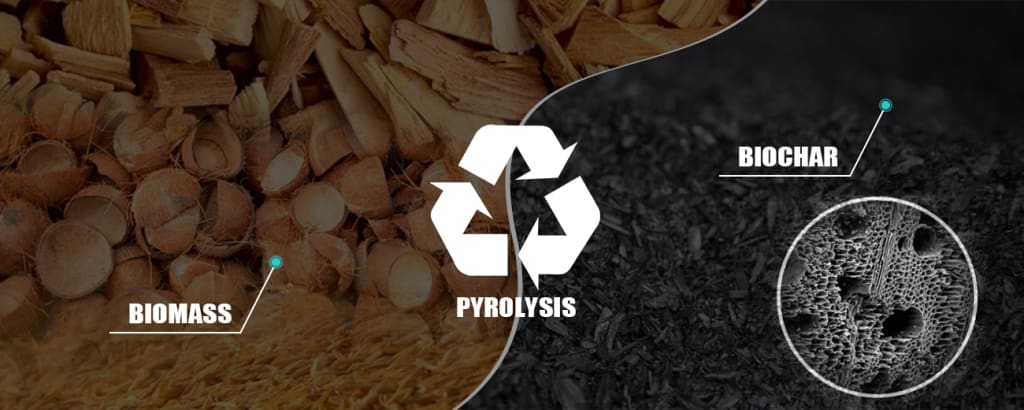
In the world of thermal processing of organic materials, two terms often come up: pyrolysis and carbonization. While both involve heating substances in low-oxygen or oxygen-free environments, they differ significantly in purpose, process, and end products. Understanding these differences is key for anyone working with waste management, renewable energy, or sustainable materials.
What is Pyrolysis?
Pyrolysis is a thermal decomposition process where organic materials are heated in the absence of oxygen. Its primary goal is to convert biomass, plastics, tires, or sludge into a variety of useful products. These products typically include bio-oil, combustible gases, and solid char.
The process works by breaking down large molecular chains into smaller ones under high temperatures, typically ranging from 400°C to 700°C. Because of this, pyrolysis is often referred to as a “cracking” process, as it cracks complex molecules into simpler, more energy-dense substances.
Pyrolysis has a wide range of applications. For example, waste plastics and tires, which are difficult to recycle conventionally, can be transformed into fuels and valuable chemicals. Similarly, pyrolysis of organic sludge can reduce waste volume while generating energy-rich byproducts. This versatility makes pyrolysis an important technology in both environmental management and the energy sector.
One of the defining characteristics of pyrolysis is its multi-product focus. Unlike other thermal treatments that aim for a single product, pyrolysis is designed to extract as many useful outputs as possible. Depending on the temperature, heating rate, and feedstock type, operators can adjust the process to favor gas, liquid, or solid outputs. For instance, slow pyrolysis generally produces more char, while fast pyrolysis tends to yield higher quantities of bio-oil.
What is Carbonization?
Carbonization, on the other hand, has a more specific goal: maximizing the carbon content in the final product. The process is widely used to produce charcoal or biochar from biomass such as wood, straw, or nutshells. Temperatures for carbonization are generally lower than those used in high-temperature pyrolysis, often ranging from 300°C to 600°C, and the process is carried out slowly to prevent burning.
The main principle behind carbonization furnace is the removal of non-carbon elements, primarily hydrogen and oxygen, as water vapor, carbon dioxide, and other gases. By doing so, the remaining material becomes enriched in carbon, resulting in a highly stable solid known as charcoal or biochar. This product has excellent combustion properties if used as fuel and is also valued in agriculture as a soil enhancer due to its ability to retain nutrients and improve soil structure.
Unlike pyrolysis, carbonization is product-focused rather than process-diverse. The goal is not to generate multiple types of energy products but to create a high-quality carbon-rich solid. This makes carbonization especially suited for applications where the stability and carbon content of the material are more important than liquid or gaseous outputs.
Key Differences Between Pyrolysis and Carbonization
The most significant difference lies in their objectives. Pyrolysis seeks to produce a variety of energy-rich products, including liquids, gases, and solids, while carbonization focuses on creating a solid product with the highest possible carbon content. This distinction also influences the operational parameters. Pyrolysis often involves higher temperatures and faster heating rates to favor oil and gas formation. In contrast, carbonization uses controlled, slower heating to ensure that the solid carbon structure is preserved and enhanced.
Another difference is the choice of feedstock. Pyrolysis is highly versatile and can process plastics, tires, sludge, and biomass, making it a tool for waste management and energy recovery. Carbonization, however, primarily uses biomass materials, such as wood chips, agricultural residues, and nutshells, because the aim is to produce a renewable carbon-rich solid.
Finally, the applications reflect these differences. Pyrolysis is central to renewable fuel production, chemical recovery, and waste reduction. Carbonization is more aligned with charcoal production, soil amendment through biochar, and carbon sequestration.
Overlap and Synergy
Despite these differences, the two processes are related. Carbonization can be considered a type of slow pyrolysis that is optimized for solid char production. In some modern systems, pyrolysis plants can adjust operational parameters to favor either liquid/gas outputs or solid carbon, effectively blending the two processes.
Understanding these nuances is essential for engineers, environmental scientists, and anyone involved in sustainable resource management. By selecting the right process for the desired outcome—whether it’s fuel, chemicals, or high-carbon solids—organizations can maximize efficiency and sustainability.
Conclusion
In summary, while pyrolysis and carbonization both involve heating organic materials in low-oxygen environments, their goals, methods, and products are distinct. Pyrolysis aims for multiple valuable products, including fuels and gases, making it a versatile tool for waste treatment and energy recovery. Carbonization, in contrast, focuses on producing carbon-rich solids such as charcoal and biochar, serving purposes in fuel use, agriculture, and carbon sequestration. Recognizing these core differences allows us to apply these thermal processes more effectively, contributing to a more sustainable and energy-conscious world.
About the Creator
Human Revenge: A Hidden Cause Behind the Decline of Snow Leopards
High in the rugged mountains of Central and South Asia lives one of the world’s most mysterious and beautiful big cats—the snow leopard. Known for its thick grey-white fur, long tail, and incredible ability to blend into rocky landscapes, this elusive predator has fascinated scientists and wildlife lovers for decades. Yet despite its beauty and ecological importance, the snow leopard faces a growing threat: human revenge.
By Irshad Abbasi a day ago in Earth
Bomb Scare
It was 2027, and the world never thought it would happen. A missle hit the United States, but it wasn't where they had anticipated. A little town in the northeast was hit by a missile strike, they didn't know why, and they didn't know exactly where it hit, but they did know it was a coastal community, somewhere between Maine and Delaware.
By Gregory Payton4 days ago in Fiction



Comments
There are no comments for this story
Be the first to respond and start the conversation.