
Volcanoes: Types, eruptions, and Geothermal energy
Volcanoes are one of the most fascinating and powerful Natural phenomena on Earth.

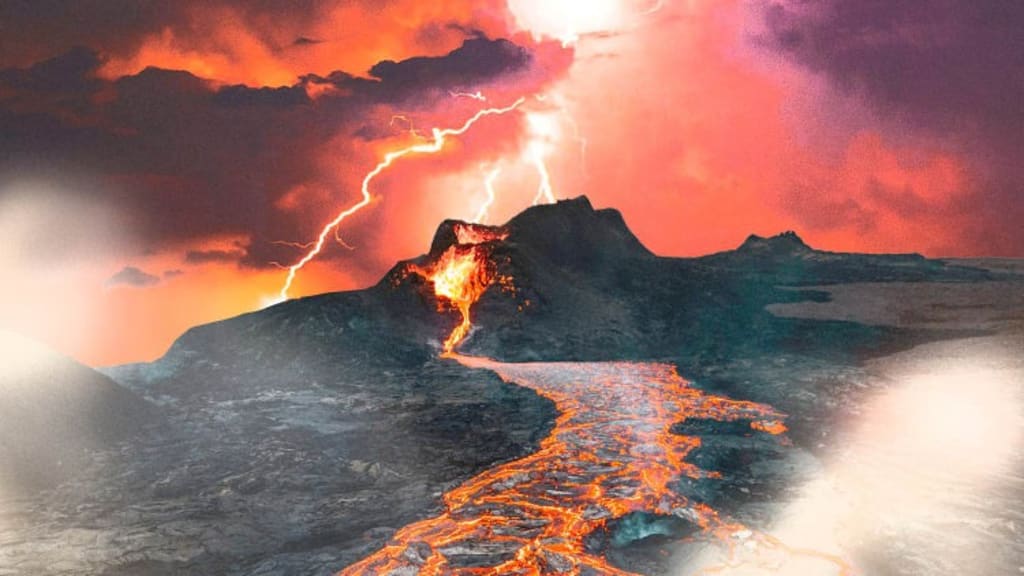
They play a crucial role in shaping the planet’s surface and influencing its climate. While volcanic eruptions can be destructive, they also contribute to the formation of new land and the production of geothermal energy, a valuable renewable resource. This article explores the different types of volcanoes, the nature of their eruptions, and the potential of geothermal energy.
(I)Types of Volcanoes
Volcanoes can be classified into several types based on their shape, formation process, and eruption style. The primary types include:
- Shield Volcanoes: These have broad, gently sloping sides formed by the flow of low-viscosity lava. They produce frequent but relatively mild eruptions. An example is Mauna Loa in Hawaii.
- Stratovolcanoes (Composite Volcanoes): These are tall, conical volcanoes built up by layers of lava, ash, and rock fragments. They produce explosive eruptions due to the high viscosity of their magma. Mount St. Helens and Mount Fuji are examples.
- Cinder Cone Volcanoes: These are the smallest type of volcanoes, characterized by steep, conical shapes formed by explosive eruptions that eject lava fragments. Paricutin in Mexico is a well-known example.
- Calderas: These are large volcanic craters formed when a volcano’s summit collapses after a massive eruption. Yellowstone Caldera in the U.S. is an example of such a volcanic structure.
(II)Volcanic Eruptions
Volcanic eruptions vary in intensity and style, depending on the composition of the magma, gas content, and other geological factors. The major types of eruptions include:
- Effusive Eruptions: These involve the steady flow of lava, creating extensive lava fields. Shield volcanoes typically exhibit this type of eruption.
- Explosive Eruptions: These occur when gas pressure builds up within a volcano, leading to violent explosions that eject ash, lava, and rock fragments. These eruptions are typical of stratovolcanoes.
- Phreatic Eruptions: These steam-driven explosions happen when magma heats groundwater, causing it to expand rapidly and explode. They often produce ash clouds but little to no lava.
- Plinian Eruptions: These are the most powerful eruptions, characterized by towering ash clouds, pyroclastic flows, and significant destruction. The eruption of Mount Vesuvius in 79 AD, which buried Pompeii, is an example.
- Hawaiian Eruptions: These are mild, characterized by steady lava fountains and flows, as seen in the Kilauea volcano in Hawaii.
(III)Geothermal Energy from Volcanoes
Volcanoes are not just sources of destruction; they also provide an abundant source of clean, renewable energy. Geothermal energy harnesses the heat stored beneath the Earth's surface to produce electricity and provide direct heating.
How Geothermal Energy Works:
Heat from magma warms underground water, forming geothermal reservoirs.
The cooled water is then reinjected into the ground to sustain the cycle.
(IV)Uses of Geothermal Energy:
- Electricity Generation: Many countries, including Iceland, the Philippines, and the U.S., use geothermal power plants to produce electricity.
- Direct Heating: Geothermal energy is used for heating buildings, greenhouses, and even swimming pools.
- Industrial Applications: Some industries use geothermal heat for drying food, pasteurizing milk, and processing minerals.
(V)Advantages of Geothermal Energy:
- Renewable and Sustainable: Unlike fossil fuels, geothermal energy does not deplete resources.
- Environmentally Friendly: It emits little to no greenhouse gases.
- Reliable and Consistent: Unlike solar and wind power, geothermal energy is available 24/7.
(VI)Challenges of Geothermal Energy:
- Geographic Limitations: Only regions with significant volcanic or tectonic activity can harness Geothermal energy efficiently.
- High Initial Costs: Drilling and setting up geothermal plants require substantial investment.
- Possible Environmental Concerns: Extracting geothermal fluids can sometimes trigger minor earthquakes and release trace amounts of harmful Gases.
IN THE END
Volcanoes are powerful natural formations that shape our planet in profound ways. While their eruptions can be dangerous, they also contribute to land formation and offer a significant source of renewable energy through geothermal power. As technology advances, harnessing geothermal energy from volcanic activity may play an even greater role in the world’s shift towards sustainable energy solutions. By understanding volcanoes better, we can mitigate their risks while benefiting from their vast potential.
About the Creator
Badhan Sen
Myself Badhan, I am a professional writer.I like to share some stories with my friends.
Keep reading
More stories from Badhan Sen and writers in Earth and other communities.
Earthquakes: Causes, measurement, and impacts
When the Earth's tectonic plates suddenly shift, releasing energy in the form of seismic waves. These seismic waves travel through the Earth, causing the ground to shake. Earthquakes can lead to severe consequences for both human populations and the natural environment. Understanding the causes, how earthquakes are measured, and their impacts is vital for disaster preparedness and response.
By Badhan Senabout a year ago in Earth
The Watering Wisdom: AI Creates a Custom Schedule Based on Your Home's Environment
The quest for the perfect watering routine is the holy grail of houseplant care. It’s a dynamic equation with variables that change with the seasons, your home’s climate, and even the plant's growth cycle. But what if you could stop guessing? Modern plant care, powered by artificial intelligence, is moving beyond static advice to create dynamic, personalized watering wisdom that responds to your environment.
By Emma Wallace4 days ago in Earth
Polar Vortex Collapse Forecast: What It Really Means and Why Experts Are Watching Closely
As winter settles in, a term that always seems to capture the attention of meteorologists and the public alike is the "polar vortex." And when experts talk about a polar vortex collapse, it's not just another weather pattern to be dismissed. In fact, the forecast of a potential collapse of the polar vortex is a serious matter that can have significant consequences on weather around the globe. But what exactly does this phenomenon mean, and why are so many experts paying close attention? Let’s break it down.
By Ayesha Lashari3 days ago in Earth


Comments
There are no comments for this story
Be the first to respond and start the conversation.