
Polar Vortex Collapse Forecast: What It Really Means and Why Experts Are Watching Closely
Informative & Clear How a Sudden Stratospheric Shift Could Trigger Extreme Winter Weather Across the Globe
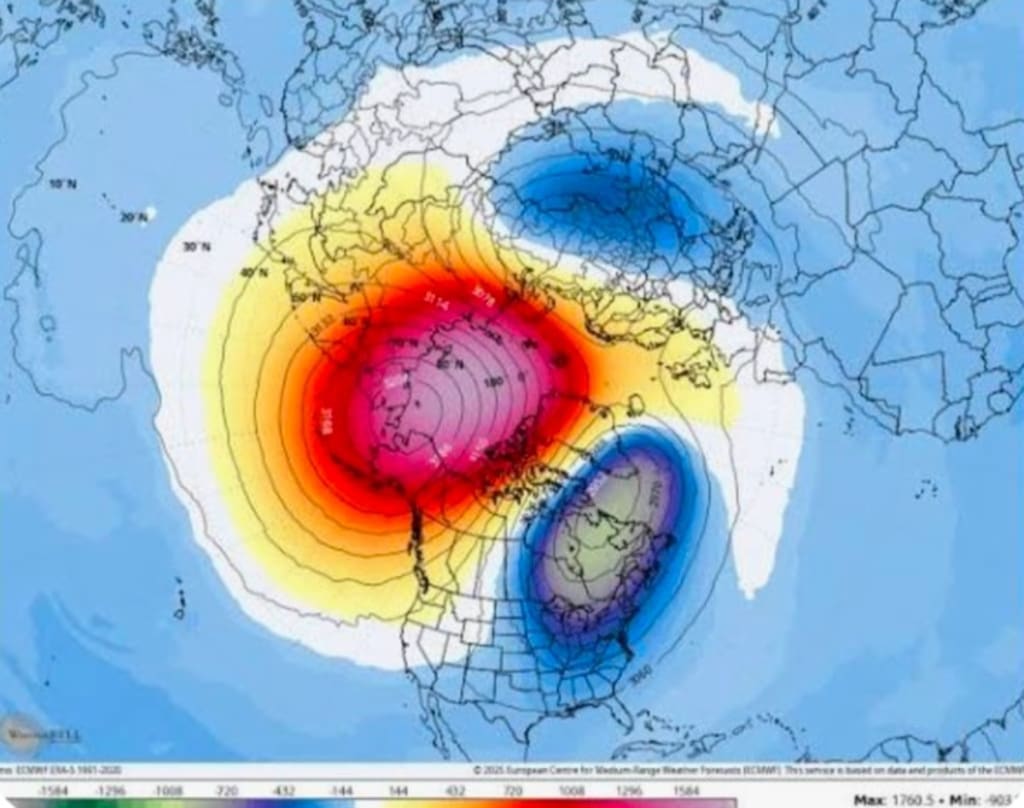
As winter settles in, a term that always seems to capture the attention of meteorologists and the public alike is the "polar vortex." And when experts talk about a polar vortex collapse, it's not just another weather pattern to be dismissed. In fact, the forecast of a potential collapse of the polar vortex is a serious matter that can have significant consequences on weather around the globe. But what exactly does this phenomenon mean, and why are so many experts paying close attention? Let’s break it down.
What is the Polar Vortex?
The polar vortex refers to a large area of low pressure and cold air that generally circulates over the Arctic region. Think of it as a massive, spinning “whirlpool” of cold air trapped above the North Pole, constantly circulating in a counterclockwise motion. This vortex helps to keep the cold air contained in the high latitudes and away from the milder southern regions.
But when things get a little out of balance, that cold air can break loose, creating major shifts in weather patterns. The polar vortex collapse is a disruption of this stable circulation, causing cold Arctic air to spill down into lower latitudes, including parts of North America, Europe, and Asia.
The Polar Vortex Collapse Explained
The collapse of the polar vortex isn't like the flip of a switch, but rather a gradual event that can be triggered by several factors, including changes in atmospheric pressure, solar activity, or even disturbances within the stratosphere. When the polar vortex weakens or breaks apart, it can cause a significant shift in weather patterns.
Imagine the polar vortex as a gigantic "lid" that keeps cold air contained at the top of the world. If the lid cracks or the vortex weakens, frigid air can escape and sweep down over more temperate regions. This is when extreme cold spells can occur—often with accompanying snowstorms, freezing temperatures, and even widespread disruptions to daily life.
Why the Polar Vortex Collapse is Such a Big Deal
The collapse of the polar vortex isn't something that happens every year. In fact, it’s a relatively rare event. When it does happen, however, it can create conditions that are much colder than what we typically experience in winter. But it's not just about cold; the collapse of the vortex can also bring severe weather events, like snowstorms, blizzards, and even power outages.
For regions that are accustomed to milder winters, the arrival of polar vortex-induced cold can be a massive shock. In the U.S., for example, parts of the Midwest and Northeast could experience bone-chilling temperatures that linger for days or even weeks. We’ve seen this in past winters, where cities like Chicago and New York experienced extreme cold snaps and even dangerous wind chills.
What makes these events particularly challenging is how unpredictable they can be. While scientists can forecast a potential collapse of the vortex days or weeks in advance, predicting the precise timing, strength, and geographic extent of the cold outbreak can be tricky.
How Experts Are Watching the Polar Vortex Collapse
Meteorologists and climatologists have become particularly keen on observing the signs of an impending polar vortex collapse because it provides critical clues to weather patterns. Thanks to advancements in climate modeling and observational technology, experts can monitor the behavior of the polar vortex in near real-time.
In particular, scientists focus on stratospheric warming events, which occur when the temperatures in the stratosphere (about 30-50 miles above Earth’s surface) rapidly increase. This warming can disrupt the polar vortex, weakening or even breaking it apart. These events are often precursors to what we observe in the lower atmosphere, including dramatic temperature shifts and colder-than-usual winters.
How Does the Collapse Affect the Weather?
While the exact impacts of a polar vortex collapse depend on the specific event, there are some common weather patterns that typically emerge when the vortex weakens. These include:
Arctic Cold Air: As the vortex breaks apart, cold air spills southward into regions that are not usually subjected to extreme winter conditions. This can cause sudden and prolonged cold spells that affect millions of people.
Snowstorms and Blizzards: The presence of cold air, combined with moisture from weather systems moving up from the Gulf of Mexico or the Atlantic, can lead to snowstorms and blizzards. These storms can drop heavy snowfall, leading to treacherous driving conditions, school closures, and major disruptions to everyday life.
Jet Stream Disruptions: The collapse of the vortex can also have a ripple effect on the jet stream, the fast-moving river of air high in the atmosphere that guides weather systems. A weakened vortex can cause the jet stream to dip further south, bringing cold air and precipitation to areas that typically see milder conditions.
Why Should We Care?
While it’s tempting to see the collapse of the polar vortex as just another quirky weather pattern, its effects can be far-reaching. Experts are particularly concerned about the long-term impact of these events, especially in light of climate change.
Climate Change and Polar Vortex
Recent studies suggest that global warming could be playing a role in increasing the frequency and severity of polar vortex disruptions. As the Arctic warms at an alarming rate, the difference in temperature between the Arctic and the mid-latitudes becomes smaller. This reduces the strength of the polar vortex, making it more prone to collapse or destabilization.
The more the polar vortex weakens, the more likely it is that cold air will leak out, causing extreme winter events. This could mean that places with historically mild winters could see more frequent and intense cold spells, increasing the risks for infrastructure, agriculture, and public health.
What Can We Expect in the Coming Winter?
As we head into the colder months, it’s important to keep an eye on forecasts and to understand the implications of polar vortex disturbances. While it’s impossible to predict exactly when or where the next collapse might occur, experts are monitoring the signs closely. If a significant disruption happens, it could lead to extreme cold across North America and Europe.
So, while we might not be able to stop the polar vortex from collapsing, we can prepare for the potential impacts. From winterizing homes and vehicles to staying informed about weather warnings, being proactive could help you weather the storm when it comes.
Conclusion
The polar vortex collapse may sound like a technical, scientific term, but its implications are very real for our day-to-day lives. Whether it’s plunging temperatures or snowstorms that disrupt our routines, understanding this complex weather phenomenon helps us better prepare for the challenges winter can bring.
As climate change continues to alter the atmosphere, the polar vortex is becoming an increasingly important subject of study. Experts will continue to monitor its behavior closely, offering forecasts and insights that can help mitigate the impacts of what could be a colder, more unpredictable winter.
Stay safe, stay informed, and prepare for whatever the polar vortex has in store this season.
About the Creator
Keep reading
More stories from Ayesha Lashari and writers in Earth and other communities.
Polar Vortex Collapse Forecast: What It Really Means and Why Experts Are Watching Closely
The term "Polar Vortex" has gained increasing attention in recent years, especially during the winter months. But what does it actually mean? And why are scientists and meteorologists paying such close attention to its behavior?
By Ayesha Lashariabout 23 hours ago in Earth
Full Moon Snow Moon
On cold winter nights, when the air feels sharper and the sky appears unusually clear, the Moon often seems brighter and more commanding than at any other time of year. One of the most evocative lunar events of winter is the full moon Snow Moon, a name that carries both astronomical meaning and deep cultural history. Beyond its poetic title, the Snow Moon invites people to look up, reflect on the rhythms of nature, and ask timeless questions—like what planet is next to the moon tonight?
By Saboor Brohi 6 days ago in Earth



Comments
There are no comments for this story
Be the first to respond and start the conversation.