
Unlocking the Potential of Biochar Carbon Sequestration: Certification Systems and Access to International Carbon Markets
Certification Systems and Access to International Carbon Markets

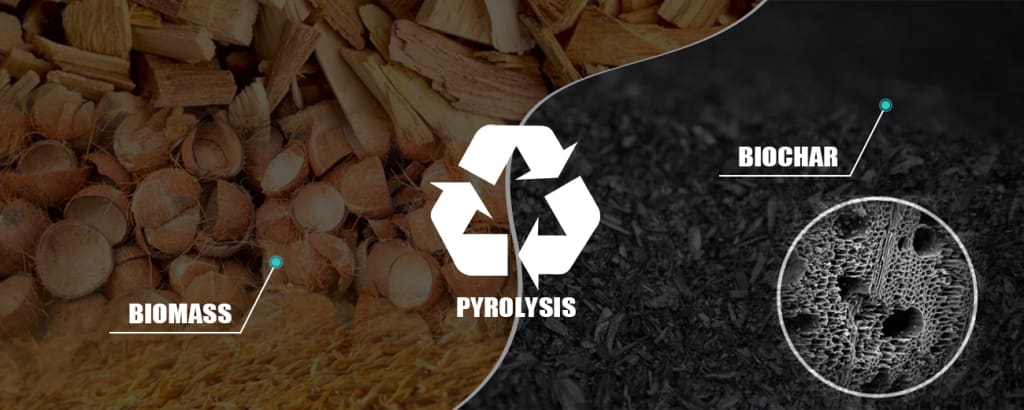
As the global community intensifies its fight against climate change, biochar carbon sequestration projects have emerged as a promising nature-based solution. Biochar — a stable form of carbon produced by pyrolyzing biomass — can sequester atmospheric CO₂ in soils for decades or even centuries, while simultaneously improving soil health and agricultural productivity.
However, to scale biochar projects globally and attract robust climate finance, rigorous certification systems and clear pathways to international carbon markets are critical. In this article, we explore the current landscape and future outlook of biochar carbon project certification and how these projects can access carbon trading platforms worldwide. Interested in biochar production, please visit biochar production equipment.
Why Certification Matters for Biochar Carbon Projects
Certification provides the backbone of credibility and trust, ensuring that carbon sequestration claims are real, additional, measurable, and permanent. For biochar projects, certification involves:
- Quantifying carbon sequestration with scientifically validated models, considering feedstock type, pyrolysis conditions, soil interactions, and carbon stability.
- Monitoring, Reporting, and Verification (MRV) protocols tailored to biochar’s unique properties and deployment contexts.
- Environmental and social safeguards to ensure sustainable sourcing of biomass and positive local impacts.
Leading Certification Standards for Biochar
Several carbon standards have incorporated biochar methodologies or are actively developing frameworks to accommodate biochar projects:
- Verra’s Verified Carbon Standard (VCS): Recently introduced methodologies addressing biochar carbon sequestration, emphasizing life-cycle assessments and MRV rigor.
- Gold Standard: Focuses on co-benefits such as biodiversity, soil health, and community development alongside carbon credits.
- American Carbon Registry (ACR): Developed protocols specifically for biochar, emphasizing permanence and risk of carbon reversal.
- Plan Vivo: Emphasizes smallholder and community-led projects, integrating social and environmental co-benefits.
Challenges in Certification and Market Access
- Measurement Complexity: Quantifying stable carbon in diverse soils over long timescales remains scientifically challenging.
- Additionality and Permanence: Demonstrating that biochar projects sequester carbon beyond business-as-usual scenarios and maintain it over decades.
- Standard Harmonization: Diverse protocols can cause market fragmentation; harmonizing methodologies is key to broader market acceptance.
- Market Recognition: Many carbon markets remain nascent in biochar credit trading, requiring project developers to navigate complex registries and buyers.
Pathways to International Carbon Market Integration
- Adopt Recognized Standard: Align biochar projects with established standards like VCS or Gold Standard to gain market credibility.
- Leverage Nested Approaches: Incorporate biochar projects into national or jurisdictional REDD+ or climate strategies, enabling bundled credit issuance.
- Engage with Emerging Markets: Explore voluntary carbon markets (VCMs) where demand for nature-based solutions, including biochar, is growing rapidly.
- Collaborate on Protocol Development: Participate in multi-stakeholder efforts to refine biochar MRV methodologies and standardize carbon accounting.
- Utilize Digital Platforms: Employ blockchain and remote sensing technologies for transparent tracking and trading of biochar carbon credits.
The Road Ahead
As governments, investors, and corporations increasingly commit to net-zero targets, biochar carbon sequestration stands out as a scalable, verifiable, and multifunctional climate solution. Robust certification systems coupled with streamlined access to international carbon markets will be essential to unlock the full potential of biochar projects worldwide.
For project developers and stakeholders, staying abreast of evolving standards, investing in rigorous MRV systems, and fostering collaborations across sectors will be key steps towards positioning biochar as a cornerstone in the global carbon finance landscape.
Embracing Innovation and Collaboration for Scaling Impact
Looking forward, the future of biochar carbon sequestration hinges not only on certification and market access but also on continuous innovation and cross-sector collaboration. Advances in pyrolysis technology are improving biochar quality and carbon stability, while digital tools such as AI-driven soil monitoring and blockchain-based credit tracking enhance transparency and trust. Moreover, partnerships between governments, private sector actors, research institutions, and local communities are critical to ensure sustainable biomass sourcing and equitable benefit-sharing. By fostering an integrated ecosystem, the biochar sector can scale rapidly, driving meaningful climate mitigation while supporting rural development and biodiversity conservation worldwide. The path to widespread adoption is challenging but promising — with innovation and cooperation, biochar projects can become a pivotal pillar in the global net-zero agenda.
About the Creator
Bestonpyrolysis
Engaged in waste plastic/tyre/rubber recycling, oil sludge treatment, biomass recycling, sewage sludge management and paper recycling…
https://bestonpyrolysisplant.com/
Keep reading
More stories from Bestonpyrolysis and writers in Earth and other communities.
The Coming Boom in Oil Sludge Treatment: Environmental Pressures in Oil Exporting Countries
As global environmental regulations tighten and ESG standards reshape investment flows, oil-exporting countries like Saudi Arabia, Iran, and Venezuela are facing increasing pressure to upgrade their oilfield waste management systems. One critical area under the spotlight is oil sludge (oil-contaminated solids and emulsions) — a persistent byproduct of drilling, production, and refining processes.
By Bestonpyrolysis7 months ago in Earth
Severe Cold Grips the Country as Hunza Records −21°C: Pakistan Faces a Deep Winter Freeze
A powerful cold wave has swept across Pakistan, plunging temperatures to alarming lows and turning daily life into a test of endurance for millions. The northern region of Hunza has recorded a bone-chilling −21°C, marking one of the coldest temperatures of the season and drawing national attention to the intensity of this winter. As icy winds cut through valleys and plains alike, the country is experiencing a severe cold spell that is affecting health, travel, agriculture, and energy supplies. Hunza at the Center of the Freeze Hunza, known worldwide for its breathtaking landscapes and serene beauty, has transformed into a frozen world. At −21°C, rivers partially freeze, roads become slippery, and even routine activities turn risky. Residents of the valley, though accustomed to harsh winters, describe this cold as unusually intense. Water pipelines have frozen solid, livestock require special care, and heating resources are stretched to their limits. Despite the extreme conditions, life continues. Locals rely on traditional methods of insulation, wood-burning stoves, and community cooperation to survive the cold nights. However, the severity of the temperature has raised concerns about vulnerable groups, including the elderly, children, and those living in remote areas with limited access to fuel and medical facilities. Cold Wave Spreads Across Pakistan While Hunza sits at the epicenter of the cold, the effects are being felt nationwide. Gilgit-Baltistan and parts of Khyber Pakhtunkhwa are experiencing sub-zero temperatures, while major cities like Islamabad, Lahore, and Karachi are facing unusually cold mornings and dense fog. In the plains, nighttime temperatures have dropped sharply, catching many residents off guard. The Pakistan Meteorological Department has warned that the cold wave may persist, driven by continental air systems moving southward. These systems not only lower temperatures but also increase the risk of frost, fog, and icy conditions on highways, disrupting travel and trade. Impact on Daily Life and Health Severe cold brings serious health risks, particularly for those without adequate shelter or heating. Hospitals in colder regions report an increase in patients suffering from hypothermia, respiratory infections, and flu-like illnesses. Doctors advise people to stay warm, avoid unnecessary exposure to cold, and ensure proper ventilation when using indoor heaters to prevent carbon monoxide poisoning. In urban areas, gas shortages and power outages have intensified the struggle. Many households face limited gas supply during peak morning and evening hours, forcing families to rely on electric heaters or alternative fuels. This increased demand places additional pressure on the national power grid, raising the risk of load shedding. Agriculture and Livelihoods Under Threat The cold wave poses a significant threat to agriculture, particularly winter crops and orchards. Frost can damage wheat fields, vegetables, and fruit trees, potentially impacting yields and farmers’ incomes. In northern areas, livestock owners are working hard to protect animals from the cold, as freezing temperatures can lead to illness and even death among cattle and sheep. Tourism, a vital source of income for regions like Hunza, has also been affected. While some tourists are drawn by the snow-covered scenery, many trips have been canceled due to dangerous road conditions and travel advisories. Local businesses, already facing economic challenges, are feeling the strain of reduced visitor numbers. Government Response and Preparedness Authorities across Pakistan have issued cold weather alerts and advisories, urging citizens to take precautionary measures. Disaster management agencies are monitoring the situation, particularly in northern and mountainous regions where access can be cut off due to snow and ice. Emergency services have been placed on high alert, and local administrations are working to ensure the availability of fuel, food supplies, and medical assistance. However, experts stress that long-term planning is essential, as extreme weather events are becoming more frequent due to climate change. Climate Change and Extreme Winters Meteorologists and climate scientists point out that while Pakistan has always experienced cold winters, the increasing intensity and unpredictability of such cold waves may be linked to broader climate patterns. Shifts in jet streams and changing atmospheric circulation can result in extreme cold spells in regions not always prepared for them. These events highlight the need for improved infrastructure, better energy management, and stronger disaster preparedness strategies to protect vulnerable populations. Resilience in the Face of the Cold Despite the freezing temperatures, stories of resilience continue to emerge. Communities in Hunza and other cold-hit areas are supporting one another, sharing firewood, food, and shelter. Volunteers and local organizations are stepping in to help those most in need, proving once again the strength of communal bonds in times of hardship. Conclusion As severe cold grips Pakistan and Hunza records a staggering −21°C, the country faces a challenging winter marked by health risks, energy shortages, and economic strain. Yet, amid the icy conditions, resilience and solidarity shine through. This cold wave serves as a reminder of nature’s power and the importance of preparedness, cooperation, and compassion in overcoming even the harshest winters.
By Fiaz Ahmed Brohi7 days ago in Earth
China Cracks Down on Ships Using Starlink
A New Front in China’s Technology Control China has intensified its crackdown on ships using Starlink, the satellite internet service operated by Elon Musk’s SpaceX, signaling a sharp escalation in Beijing’s efforts to control information flows and foreign technology. Authorities have warned commercial vessels, fishing boats, and private operators against using unapproved satellite communication systems, citing national security and data sovereignty concerns.
By Aarif Lashari3 days ago in Earth



Comments
There are no comments for this story
Be the first to respond and start the conversation.