
Understanding Hydro One Outage: What It Is, Why It Happens, and How to Stay Prepared
Causes, Impacts, and Essential Safety Tips to Stay Prepared During Power Outages
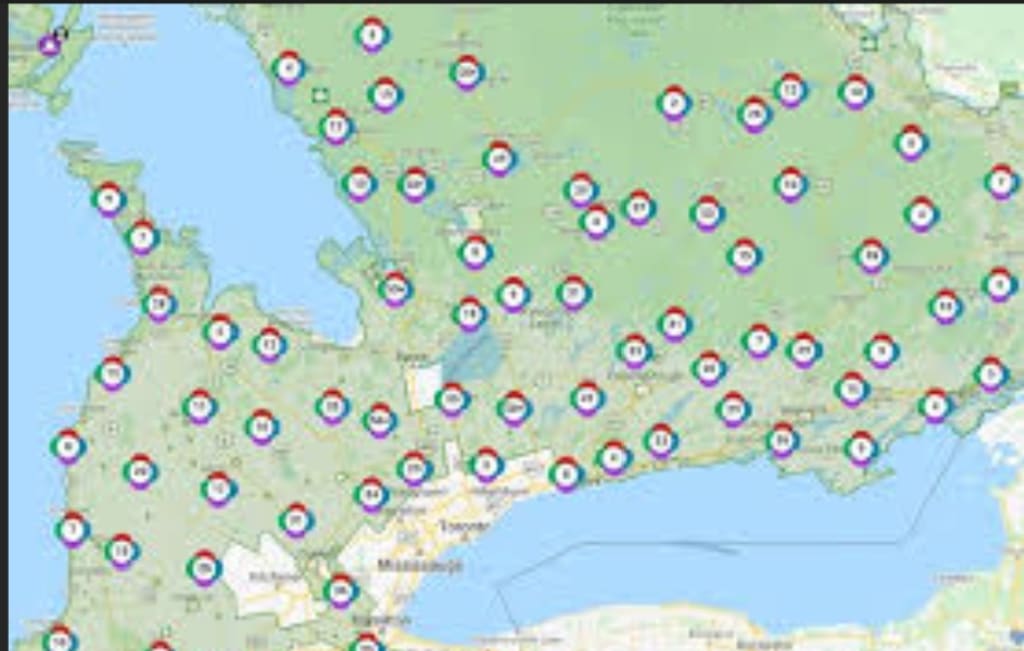
Picture this: it’s a cold winter evening, the lights flicker once, and then—nothing. Silence. Darkness. No hum of the fridge, no glow of the lamps. For hundreds of thousands of customers in Ontario and beyond, this moment is all too familiar. A Hydro One outage can interrupt everyday life in an instant. Whether you’re running a household, working remotely, or caring for young children or elderly relatives, understanding what an outage is, what causes it, and how to respond can make all the difference between chaos and calm.
In this article, we’re unpacking everything you need to know about Hydro One outages—from the mechanics behind them to actionable tips for staying safe and informed.
What Is a Hydro One Outage?
At its core, a Hydro One outage refers to a disruption in the electricity supply delivered by Hydro One, the major electricity transmission and distribution provider serving much of Ontario, Canada. When power goes out, homes and businesses lose access to electricity—sometimes for just a few minutes and, on occasion, for several hours or even days.
While temporary outages are common and often quickly resolved, extended or large-scale outages can have widespread and serious consequences—and understanding why they occur is ke
Common Causes of Hydro One Outages
There isn’t a single cause behind power cuts. Instead, several factors—natural and human-related—can interrupt electrical service:
1. Severe Weather
Storms, heavy winds, ice, snow, and lightning are some of the top causes of outages. High winds can topple trees and branches into power lines, while ice storms weigh down cables until they break. Recent incidents have shown how intense ice storms can leave hundreds of thousands without power, as seen when an ice storm crippled parts of Ontario, knocking out electricity and forcing emergency responses.
2. Equipment Failure
Even with regular maintenance, electrical infrastructure can break down. Transformers, poles, switches, and other components sometimes fail, leading to unplanned outages.
3. Tree Contacts and Vegetation
Trees or overgrown branches coming into contact with power lines remain a leading cause of outages. Strong winds and storms make this risk even more pronounced.
4. Other Incidents
Unexpected events—such as traffic collisions damaging poles, animals interfering with equipment, or construction mishaps—can also leave homes and businesses in the dark.
Planned vs. Unplanned Outages
Not all outages are emergencies. Some are planned maintenance operations, designed to upgrade the system or connect new infrastructure. These are typically scheduled in advance and communicated to customers ahead of time, so you can prepare. However, unplanned outages are sudden and often weather-related, requiring rapid response from crews and prompting real-time updates to keep communities informed.
What Happens When the Lights Go Out?
When an outage occurs, Hydro One deploys emergency response teams trained to assess the cause and restore power as safely and quickly as possible. Their goal is to minimize disruption, but the timeline depends on the severity of damage, accessibility of affected areas, and prevailing weather conditions.
During widespread outages—such as those caused by ice storms or wind damage—restoration can take time. It’s important to stay patient and stay safe.
How to Prepare Before an Outage
Preparation is your best defense against the uncertainty that comes with power cuts. Here are essential steps you can take:
Create an Emergency Kit
Include non-perishable food, water (2 L per person per day), extra batteries, flashlights, a battery-powered radio, first aid supplies, blankets, cash, and necessary medications.
Prepare Your Phone and Tech
Keep your cell phone fully charged and consider portable chargers or power banks. Note that corded landline phones may work when cordless models won’t.
Know Your Outage Tools
Sign up for outage alerts via text or email through Hydro One’s services to receive real-time updates. You can also use the company’s outage map and mobile app to check current outages, cause (if known), and estimated restoration times.
What to Do During a Hydro One Outage
When power goes out:
Report the outage via Hydro One’s hotline at 1-800-434-1235 or through available online tools.
Stay away from downed power lines—even if they look inactive, they are extremely dangerous.
Use flashlights instead of candles to reduce fire risk.
Keep refrigerator doors closed to maintain food safety for as long as possible.
After the Power Is Restored
Once power returns, take precautions:
Inspect appliances one by one to avoid surge damage.
Check for food spoilage. If in doubt, throw it out.
Reconnect electronics gradually to avoid overloading circuits.
Final Thoughts: Staying Resilient in a Power Outage
A Hydro One outage can shake up your routine, but with knowledge and preparation, you can stay comfortable, informed, and safe. Outages remind us of our reliance on electricity, but they also offer an opportunity to pause, connect with loved ones, and appreciate the power that fuels our everyday lives.
Whether it’s planning your emergency kit or learning how to track outages in real time, being proactive transforms uncertainty into readiness. So next time the lights flicker, you’ll know exactly what to do—and that’s peace of mind worth having
About the Creator
2016 Could Break Global Record as the Hottest Year Ever
Scientists around the world warned that 2016 could become the hottest year ever recorded, highlighting the accelerating impact of climate change on the planet. Data from major climate organizations indicated that global temperatures were rising at an alarming rate, raising concerns about environmental stability, extreme weather events, and the long-term future of the Earth’s climate system.
By Irshad Abbasi 2 days ago in Earth


Comments
There are no comments for this story
Be the first to respond and start the conversation.