
Yellow Warning – Wind: What It Means, Why It Matters, and How to Stay Safe
Staying Alert as Strong Gusts Bring Possible Travel Disruption and Minor Damage
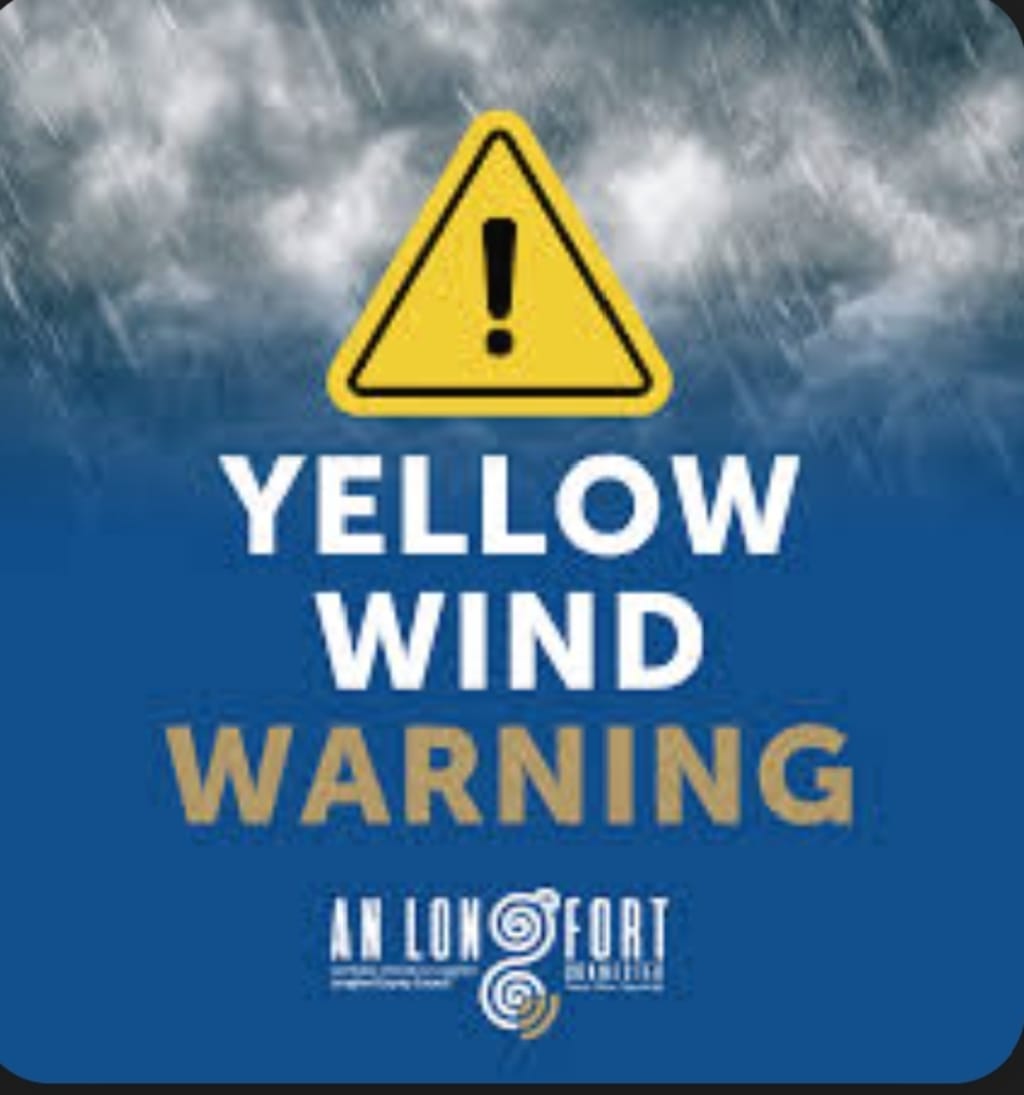
Weather warnings have become an essential part of daily life, especially as climate patterns grow more unpredictable. Among these alerts, a yellow warning – wind often raises questions. Is it serious? Should people be worried? Or is it simply a routine notice? While a yellow warning is the lowest level of weather warning, it still deserves attention. Strong winds can disrupt travel, damage property, and pose risks to public safety if ignored.
A yellow wind warning is issued by meteorological authorities to inform the public that windy conditions are expected and may cause some level of disruption. Unlike amber or red warnings, yellow alerts are designed to raise awareness, not cause alarm. However, their impact can vary depending on local conditions, infrastructure, and individual activities.
What Does a Yellow Wind Warning Mean?
A yellow warning – wind indicates that strong gusts are forecast, which could lead to minor damage or inconvenience. Wind speeds may not be extreme, but they can still be powerful enough to cause fallen branches, debris on roads, or temporary power outages. In coastal or high-altitude areas, the effects may be more noticeable, with rough seas and hazardous conditions for small boats.
Meteorological agencies issue yellow warnings when they believe the weather could affect some people, particularly those traveling, working outdoors, or living in more exposed locations. It is a reminder to stay informed and take simple precautions.
Why Wind Warnings Are Important
Wind is often underestimated compared to storms or heavy snowfall, yet it can be just as disruptive. Even moderate winds can turn loose objects into hazards. Bins, garden furniture, scaffolding, and signs can be blown over, posing risks to pedestrians and vehicles.
Transport systems are particularly vulnerable. High-sided vehicles, such as trucks and buses, may struggle to maintain control in gusty conditions. Rail services can experience delays due to fallen trees or debris on tracks, while flights may face turbulence or schedule changes. A yellow warning helps authorities and the public prepare for these possibilities.
Potential Impacts of a Yellow Wind Warning
Although impacts are usually minor to moderate, they can still affect daily routines:
Travel disruption: Delays on roads, railways, and airports due to fallen branches or safety checks.
Property damage: Loose roof tiles, damaged fences, and fallen garden items.
Power interruptions: Localized outages caused by wind-damaged power lines.
Outdoor risks: Increased danger for construction workers, delivery staff, and anyone spending long periods outside.
For most people, these impacts are manageable, but awareness is key.
Who Should Be Most Cautious?
While a yellow warning applies to everyone in the affected area, some groups should be particularly cautious. Motorcyclists and cyclists can find strong crosswinds difficult to handle. Farmers and outdoor workers may need to adjust schedules to reduce risk. Coastal communities and those living in rural or exposed regions often experience stronger gusts than urban areas.
Event organizers should also pay attention. Outdoor events, markets, or sports activities may require additional safety checks to secure equipment and structures.
How to Prepare and Stay Safe
Responding to a yellow wind warning does not require drastic action, but small steps can make a big difference:
Secure loose items in gardens, balconies, or construction sites.
Check travel updates before starting a journey, especially if using public transport.
Drive with extra care, particularly on bridges and open roads.
Avoid walking near trees, old buildings, or temporary structures during peak winds.
Stay informed by following local weather updates and official advice.
Preparation helps reduce the chance of inconvenience or injury.
Yellow vs Amber and Red Warnings
Understanding the warning system helps put a yellow alert into perspective. Yellow warnings signal potential disruption and advise caution. Amber warnings indicate a higher likelihood of significant impacts, requiring more serious preparation. Red warnings are the most severe, urging immediate action to protect life and property.
A yellow wind warning does not mean danger is guaranteed, but it does mean conditions could become challenging for some.
The Growing Relevance of Wind Warnings
In recent years, wind-related weather events have become more frequent due to changing climate patterns. This has increased the importance of early warnings. Even lower-level alerts like yellow warnings play a vital role in helping communities adapt to more variable weather.
Public awareness has improved as people increasingly rely on digital alerts and social media updates. However, it remains essential to interpret these warnings correctly—not ignoring them, but also not panicking.
Final Thoughts
A yellow warning – wind is a call for awareness rather than fear. It reminds us that even everyday weather can have consequences if we are unprepared. By understanding what the warning means and taking sensible precautions, individuals and communities can minimize disruption and stay safe.
Wind may be invisible, but its effects are real. Paying attention to yellow wind warnings ensures that minor weather events remain just that—minor—and do not escalate into avoidable problems. Staying informed, prepared, and cautious is the best response to any weather alert, no matter its color.
About the Creator
Gothic Gardening: Embracing Drama with Dark Foliage and Flowers
There is a garden aesthetic that rejects the bright and cheerful in favor of the mysterious and dramatic. It embraces shadows rather than sunlight, depth rather than dazzle. It finds beauty in darkness—in leaves the color of aged wine, in flowers so deep purple they appear black, in forms that suggest ancient forests and moonlit mysteries.
By Emma Wallace2 days ago in Earth



Comments
There are no comments for this story
Be the first to respond and start the conversation.