
Types of Evaporative Cooler Pumps: A Complete Guide
Evaporative Cooler Pumps
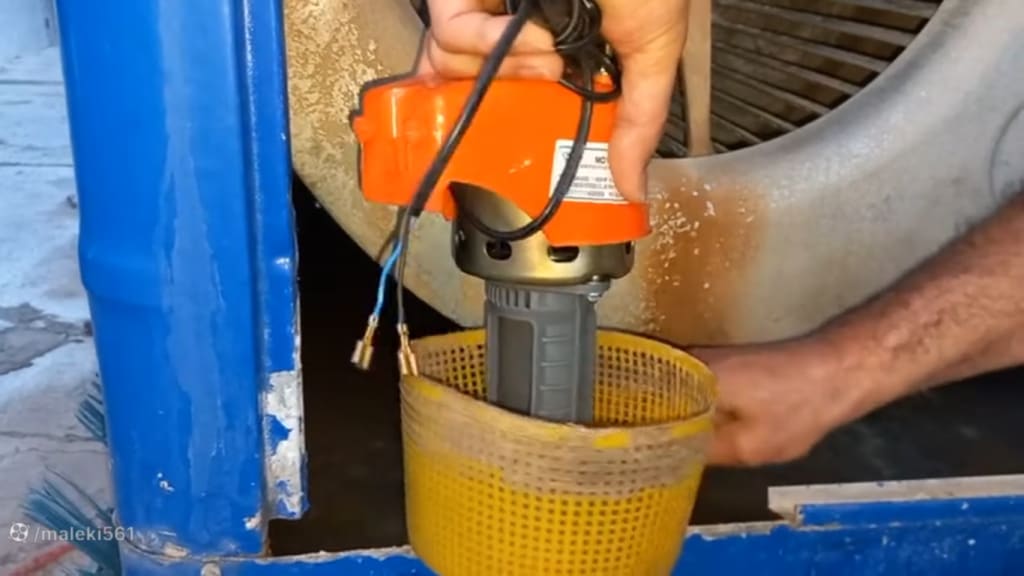
Evaporative coolers, commonly known as swamp coolers, are popular cooling systems in hot and dry climates. They work by drawing warm air through water-saturated pads, which lowers the air temperature through evaporation. A critical component that ensures the efficiency and performance of an تعمیرات کولر evaporative cooler is the water pump.
In this article, we’ll explore the different types of evaporative cooler pumps, their functions, differences, and tips for choosing the right one for your cooling system.
What Does a Swamp Cooler Pump Do?
Before diving into the different types, it’s important to understand what a pump does in an evaporative cooler.
The pump circulates water from the cooler’s reservoir to the cooling pads (also called media). Water is pumped to the top of the pads and trickles down due to gravity. As warm air is pulled through the wet pads, it is cooled by evaporation before entering the room. Without a functioning pump, the pads remain dry, rendering the system ineffective.
Main Types of Swamp Cooler Pumps
Swamp cooler pumps come in various sizes, capacities, and designs. However, they generally fall into two main categories:
1. Submersible Pumps
Submersible pumps are the most common type used in residential and smaller commercial evaporative coolers. As the name implies, they are designed to operate completely submerged in water.
Features:
Compact and easy to install
Quiet operation
Low maintenance
Directly placed inside the water tank or reservoir
Suitable For:
Window coolers
Portable swamp coolers
Residential down-draft or side-draft units
Drawbacks:
Can wear out if water levels drop too low
Susceptible to clogging if the water is dirty or contains mineral deposits
2. Non-submersible Pumps (Inline or External Pumps)
These pumps are typically mounted outside the water tank and are more common in larger or industrial evaporative cooling systems.
Features:
High flow rate and pressure
Can be serviced without draining the tank
Longer lifespan in some models
Suitable For:
Large rooftop coolers
Industrial and commercial applications
Systems with long water distribution lines
Drawbacks:
Louder than submersible pumps
More complex installation and plumbing
Higher initial cost
Pump Motor Types
The motor of the pump determines its efficiency, durability, and compatibility with power sources. Most cooler pumps run on single-phase AC electricity, but you may encounter these variations:
Shaded Pole Motor
Inexpensive and basic
Suitable for small residential pumps
Lower energy efficiency
Permanent Split Capacitor (PSC) Motor
More energy-efficient
Quieter and longer lifespan
Preferred for larger units or energy-conscious users
Voltage Options
115V (standard residential use)
230V (used in higher capacity coolers)
Always check your unit’s voltage before replacing a pump.
Flow Rate and Capacity
One of the most important specifications when choosing a pump is its flow rate, typically measured in gallons per hour (GPH) or liters per hour (LPH). Choosing the correct flow rate ensures the cooling pads stay evenly saturated without overflow or dry spots.
Here’s a general guide:
Cooler Size (CFM) Recommended Pump Flow Rate
Up to 3,000 CFM 500 GPH
3,000–5,000 CFM 750 GPH
5,000–7,000 CFM 1,000 GPH
7,000–10,000 CFM 1,250–1,500 GPH
Note: CFM (Cubic Feet per Minute) refers to the volume of air the cooler moves. Always match pump capacity to cooler size for optimal performance.
Specialty Pumps
In addition to standard pumps, there are specialty models designed for specific features or operational challenges:
Self-Cleaning Pumps
Built-in filtering system to minimize debris and clogging
Ideal for areas with hard water
Dual-Action Pumps
Can serve multiple pads or sections of a cooler simultaneously
Useful in ducted or large pad systems
Thermally Protected Pumps
Automatically shut off if overheated
Prevent burnout during dry running or blocked flow
Materials and Build Quality
Pump construction impacts longevity, resistance to corrosion, and performance.
Common materials include:
Plastic/Polymer: Lightweight, affordable, and corrosion-resistant. Suitable for residential use.
Metal (Aluminum or Stainless Steel): More durable, heat-resistant, and suited for heavy-duty or commercial use.
Ceramic Shaft Bearings: Improve lifespan and reduce friction.
Common Brands and Models
Several manufacturers specialize in high-quality swamp cooler pumps. Popular names include:
Dial Manufacturing
Champion
Essick Air (now AIRCARE)
Little Giant
MasterCool
Phoenix Manufacturing
Always opt for OEM-compatible (original equipment manufacturer) parts when possible, especially for warranty protection.
Tips for Choosing the Right Cooler Pump
Know Your Cooler’s Specs
Find the CFM rating, voltage, and pad layout of your unit.
Consider Water Quality
In areas with hard water, go for self-cleaning or filter-equipped models.
Don’t Oversize or Undersize
A pump that’s too powerful can flood the pads. One that’s too weak won’t keep them wet enough.
Check Compatibility
Make sure the pump fits your existing housing, hose connections, and electrical requirements.
Read Reviews
Real user feedback can alert you to common issues like noise, reliability, or heat sensitivity.
Maintenane Tips for Long Pump Life
Proper maintenance extends your pump’s life and prevents sudden breakdowns during hot weather.
Clean the pump regularly to remove debris, algae, or calcium buildup
Check water levels frequently to prevent the pump from running dry
Inspect electrical cords and connectors for wear
Replace the pump every 2–4 years, or at the first signs of malfunction
When to Replace Your Pump
A failing pump can reduce cooling efficiency drastically. Signs you need a new pump:
No water reaching the pads
Strange noises or vibrations
Tripped circuit breaker
Burnt smell or visible corrosion
Frequent clogs despite clean water
If your cooler is older, upgrading the pump can breathe new life into the system at a low cost.
Final Thoughts
The evaporative cooler pump may not be the flashiest part of your cooling system, but it’s certainly one of the most important. Choosing the right pump type—whether submersible or external, small or high-capacity—can make a huge difference in cooling performance, energy use, and maintenance frequency.
By understanding the types of cooler pumps available and their key differences, you can make an informed decision that keeps your space cool, your energy bills low, and your comfort high.
About the Creator
Keep reading
More stories from handy maneshon and writers in Earth and other communities.
What Are the Best Evaporative Cooler Brands (Iranian & International)? – Full Guide
Evaporative coolers, also known as swamp coolers or “kooler abi” in Iran, are an energy-efficient and eco-friendly alternative to traditional air conditioning — especially in dry, hot climates. Whether you're looking to buy a reliable cooler for your home, workshop, or office, choosing a trusted brand can make all the difference in performance and durability.
By handy maneshon10 months ago in Earth
A Cold Earth-Sized Planet Surprisingly Close to Our Solar System
For decades, astronomers have searched the universe for planets that resemble Earth. While many discoveries have revealed massive gas giants or extremely hot rocky worlds, the discovery of a cold, Earth-sized planet near our cosmic neighborhood has sparked new excitement in the scientific community. This intriguing world demonstrates that small rocky planets like our own may be more common in the galaxy than once believed.
By Irshad Abbasi about an hour ago in Earth




Comments
There are no comments for this story
Be the first to respond and start the conversation.