
Tracing the Roots of the Christmas Cactus
A botanic guide to the history of Schlumbergera truncata

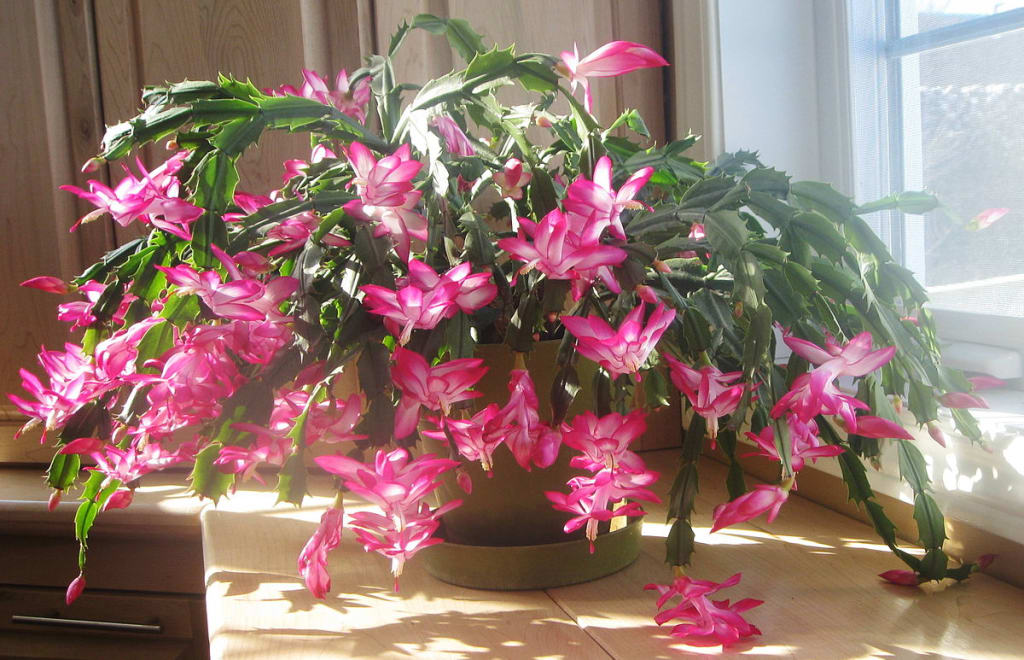
Welcome to the world of the Christmas cactus, a botanical treasure that has brightened winter homes for over two centuries. This remarkable plant from the rainforests of Brazil has evolved from botanical curiosity to beloved holiday tradition. With its unusual epiphytic growth habit, pendulous stems, and vibrant winter blooms, the Christmas cactus offers not just seasonal beauty but also carries a rich history of horticultural innovation and cultural significance. Here, we will trace the roots and explore how this tropical forest dweller became one of our most cherished festive houseplants, surviving wars, changing fashions, and botanical reclassifications to earn its special place in homes around the world.
European Introduction and Early Cultivation
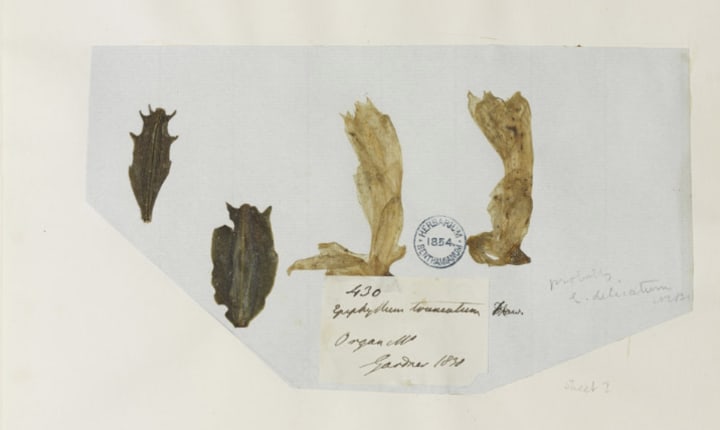
The plant known as the Christmas cactus (Schlumbergera) was first collected from Brazil and brought to Europe by the British botanist Allan Cunningham in the early 19th century, introducing Schlumbergera truncata to the glasshouse of Kew Gardens in 1818. Once introduced into European greenhouses, this plant became increasingly popular, with many appreciating its ability to flower in the cooler months of the northern hemisphere when most other plants were dormant. Although introduced to Europe in the early 1800s, this plant was initially classified differently from how we know it today.
The earliest described species in this group was Schlumbergera truncata, first described by the English naturalist Adrian Hardy Haworth in 1819, based on the plant cultivated at Kew Gardens which Allan Cunningham brought back from Brazil. At that time, it was named Epiphyllum truncatum, as it was thought to belong to the genus Epiphyllum, a group of cacti with flattened stems and showy flowers.
Botanical Classification and Naming
Other species followed: Epiphyllum russellianum (now Schlumbergera russelliana) was described in 1839, and additional related species were discovered and described under various genera such as Cereus and Epiphyllum throughout the 19th century. The taxonomy was confusing because these rainforest cacti looked and behaved differently from the more familiar desert cacti, and their distinctive segmented stems and epiphytic lifestyle set them apart.
As more species were discovered and cultivated in Europe, botanists debated how best to classify them. Then in 1858, Charles Lemaire, recognising their unique characteristics, established the new genus Schlumbergera. Lemaire named the genus in honour of Frédéric Schlumberger, a fellow French collector and enthusiast of cacti who maintained an important collection in France.
Hybridisation and Victorian Popularity
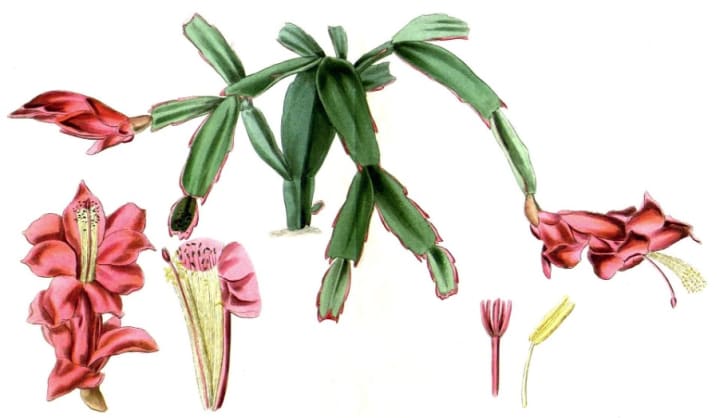
The mid-19th century saw a significant leap in the Christmas cactus's appeal with the work of William Buckley at Rollisson Nurseries in England. In 1852, Buckley crossed S. truncata with S. russelliana, creating the hybrid Schlumbergera × buckleyi, now recognised as the true Christmas cactus. This breakthrough hybridisation not only extended the range of available flower colours and forms but managed to produce a plant with a more unique blooming period—right around Christmas.
The introduction of these hybrids made the Christmas cactus even more attractive to European gardeners, particularly during the late Victorian period. The plant's vibrant, pendulous flowers became a cherished sight in Victorian homes and heated greenhouses, and by the 1860s, the Christmas cactus was highly valued as a symbol of winter cheer.
Decline and Revival
After nearly a century of rising popularity, the Christmas cactus experienced an inevitable decline as the world became preoccupied with war. Many original varieties were lost in the early 20th century as tastes and horticultural fashions changed. During the First and Second World Wars, priorities shifted dramatically—from home gardeners to institutions like Kew Gardens, everyone redirected their focus to the cultivation of food and medicines.
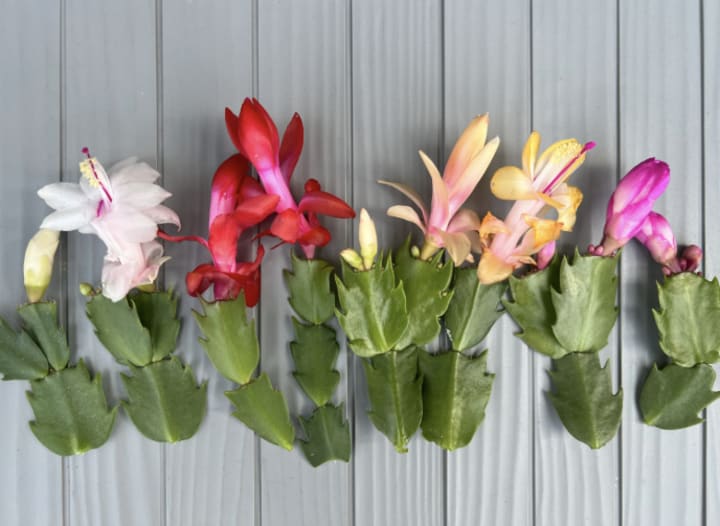
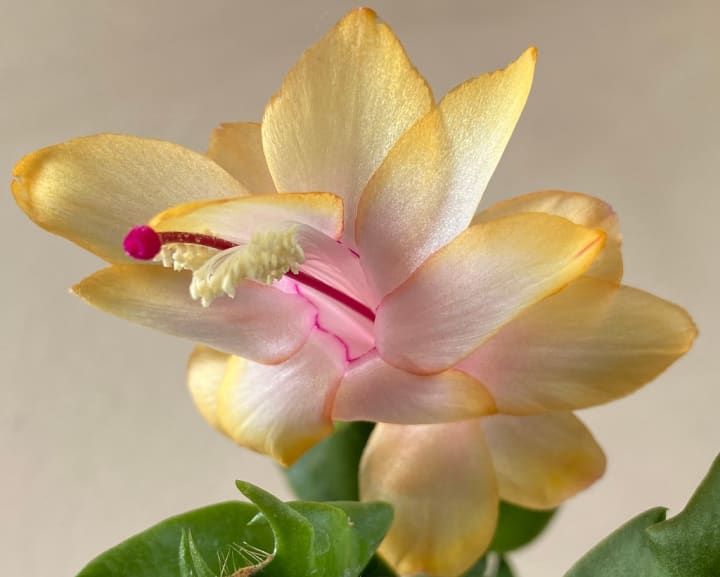
As the world began to heal and recover in the post-war period, interest in ornamental plants began to resurface. From the 1950s onwards, breeders in Europe, North America, Australia, and New Zealand began developing new cultivars. These efforts revived the forgotten Christmas cactus and even introduced a broader spectrum of flower colours—including the first true yellow varieties.
Cultural Significance
The Christmas cactus's association with the holiday season in Europe is primarily due to its winter blooming period, which coincides with Christmas in the Northern Hemisphere. Over time, the Christmas cactus became woven into Christian holiday customs, symbolising hope and resilience during the darkest part of the year. Its easy propagation and longevity also contributed to its reputation as a "family plant," often passed down through generations and cherished as a living heirloom.
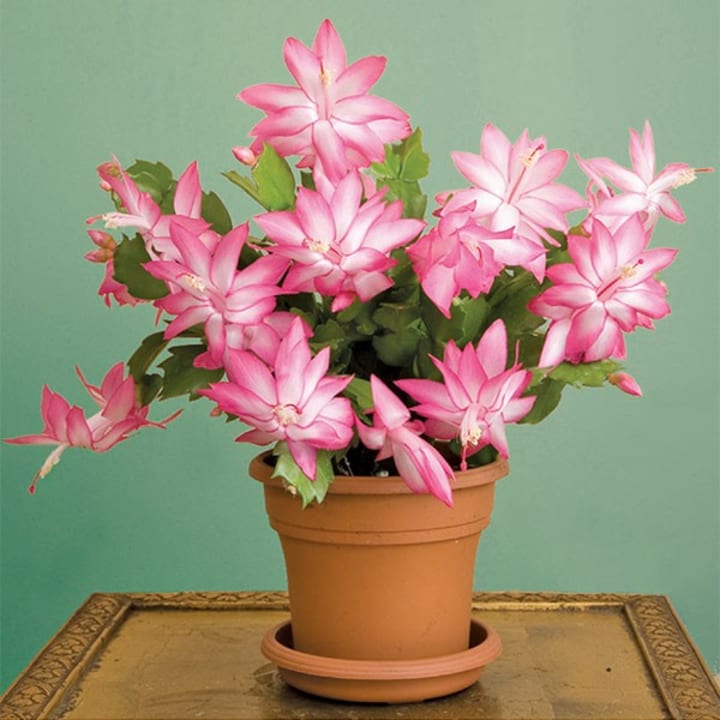
In its native Brazil, this plant originally had no Christmas-related significance. However, after centuries of being popularised in Western culture, it has now been adopted as a festive decoration and gift during the holiday season even in its country of origin.
The Christmas cactus stands as a beautiful example of how plants can transcend their natural habitats to become cultural icons, bringing joy and colour to homes around the world during the winter months.
Explore your creativity with Vocal+
If you're looking to start a blog, consider joining Vocal+!
You'll earn more per view, be able to cash out your earnings quicker, and get access to new features and Vocal+ exclusives before anyone else!
Join Vocal+ with the link below!
https://shopping-feedback.today/vocal-plus?via=atlas
About the Creator
Atlas Botanica
Whether you’re a curious beginner or a seasoned nature lover, join me as we reconnect with the natural world, one plant at a time.
Keep reading
More stories from Atlas Botanica and writers in Earth and other communities.
NATURA UTOPIA
Could Utopia be a city where boundaries blur between concrete and canopy? A natural landscape depicting skyscrapers made from living walls, breathing and healing on their own, reaching high entwined with the plants and the trees that grow from these walls. With their roots and branches, the living city has formed a silent, subterranean network beneath the streets.
By Atlas Botanica11 months ago in Futurism
A $170 Million Gemstone Discovery Shocks Myanmar’s Mining World
Myanmar, a country long known for its rich natural resources, has once again captured global attention after the discovery of an extraordinary gemstone estimated to be worth around $170 million. The remarkable find has stunned geologists, gem traders, and mining experts, reaffirming Myanmar’s reputation as one of the world’s most important sources of precious stones.
By Irshad Abbasi 5 days ago in Earth



Comments (1)
I really want this plant!