
Tornado Warning: Be Prepared and Stay Safe
Stay safe during a tornado warning with our preparedness guide. Find essential tips to protect yourself and your loved ones.


Key Highlights
- Tornadoes are a serious natural disaster that can cause significant damage and loss of life.
- Understanding the difference between a tornado watch and a warning is crucial for personal safety.
- Having a plan in place, including a designated safe space and an emergency kit, is essential for tornado preparedness.
- Staying informed during severe weather events can help you make timely and life-saving decisions.
- Advanced technologies are constantly improving tornado warning systems, enhancing preparedness and response efforts.
Introduction
Severe weather events, including tornadoes, pose a significant risk to life and property. As such, the National Weather Service (NWS) plays a crucial role in monitoring weather patterns and issuing timely alerts to warn the public about potential threats. Understanding these alerts, such as a tornado watch, is essential for individuals and communities to take appropriate safety precautions.
Understanding Tornado Alerts and What They Mean
A tornado alert is a signal that individuals and communities need to be aware of the potential for tornadoes and take necessary precautions. These alerts are broadcasted through various channels, including television, radio, sirens, and mobile phone alerts. They are issued by the NWS when atmospheric conditions are favorable for tornado development or when a tornado has been sighted or detected by radar.
Recognizing the significance of these alerts is critical in tornado-prone areas. When a tornado alert is issued, it means that conditions are right for tornadoes to form, and there is an immediate threat to life and property. Therefore, it's vital to have a plan in place and know where to seek shelter when an alert is issued in your area.
The Difference Between a Tornado Watch and a Warning
It is important to understand the differences between tornado watches and warnings. A tornado watch indicates that conditions are favorable for tornadoes to develop in a particular area over a specific period. This means that tornadoes are possible, but not necessarily imminent or confirmed.
On the other hand, a tornado warning is a more urgent alert. It means a tornado has been sighted or detected by weather radar. When a tornado warning is issued, immediate action is required to ensure safety. Seek shelter immediately in a sturdy structure, preferably in a basement or an interior room on the lowest floor, away from windows.
Severe weather warnings, including tornado warnings, should never be taken lightly. Be prepared to act quickly to protect yourself and your loved ones when these warnings are issued.
Deciphering Tornado Alert Levels
The National Weather Service uses a tiered system to communicate the risk of severe weather, including tornadoes, through severe weather outlooks. These outlooks provide an advanced assessment of potential threats and are categorized into different levels, ranging from marginal to high. For instance, a "marginal risk" indicates a slight chance of severe thunderstorms, some of which may produce isolated tornadoes.
As the risk level increases, so does the likelihood of more widespread and intense severe weather. A "slight risk" suggests a greater chance of severe thunderstorms, with a higher probability of tornadoes, some potentially strong. A "moderate risk" signifies a significant threat of severe thunderstorms, including a greater likelihood of long-lived, intense tornadoes.
The highest risk level, a "high risk," indicates a significant and potentially life-threatening severe weather event is likely. During such events, widespread strong tornadoes, very large hail, and destructive winds are possible. Monitoring these outlooks can be incredibly helpful in preparing for potentially dangerous weather.
Essential Safety Tips for Tornado Preparedness

Preparing for tornadoes and other severe weather events is not a one-time task, but an ongoing process. It’s crucial to remain vigilant, especially during tornado season. Staying informed about weather forecasts, heeding warnings from local authorities, and having a plan of action are essential steps in tornado preparedness.
In addition to that, it's crucial to understand the geographical risks associated with tornadoes and be aware of your surroundings. Being proactive and taking necessary measures to mitigate the impact of these devastating events is key.
Creating a Safe Space in Your Home
In the face of a tornado warning, having a designated safe space within your home is crucial. This area should be on the lowest level, preferably a basement, or a small, interior room without windows. When seeking shelter, it's important to wear sturdy shoes and helmets for protection from flying debris.
Furthermore, preparing for potential power outages is vital. Equip your safe space with flashlights, batteries, and a NOAA Weather Radio to stay informed even when electricity is unavailable. Consider having a backup power source available for essential devices.
Ensure your safe space is easily accessible and stocked with essentials. This includes:
- Water
- Non-perishable food
- First-aid kit
- Medications
Essential Supplies for Your Tornado Emergency Kit
A well-stocked emergency kit can be a lifesaver during and after a tornado. In addition to basic survival necessities, like water and food, your kit should include items tailored for tornado-specific needs. For instance, a whistle can be used to signal for help if trapped under debris, while a wrench or pliers could come in handy if you need to turn off utilities.
Power outages are common after tornadoes due to downed power lines. That's why it is important to include items in your emergency kit to address such situations. Extra batteries are a must for flashlights and radios. Consider investing in a weather radio that can operate on a hand crank or solar power, ensuring continuous access to vital weather information.
Remember to keep copies of important documents in a waterproof and fireproof container. Also, pack a first-aid kit with essential medical supplies, and don't forget to include a supply of any necessary medications. It's a good idea to check your emergency kit periodically, ensuring everything is in working order and that supplies are replenished.
Real-life Tornado Incidents and Their Impact
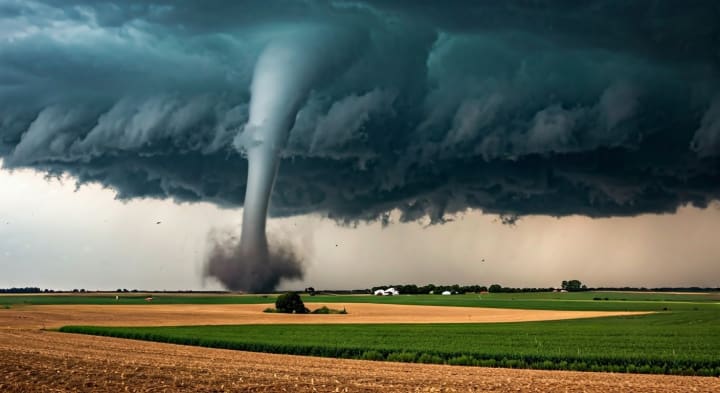
History bears witness to numerous tornado incidents that have left behind a trail of destruction. Take, for instance, the infamous Tri-State Tornado of 1925, which ripped through Missouri, Illinois, and Indiana, leaving a path of devastation over 200 miles long. More recently, the Joplin tornado in 2011 highlighted the sheer power of nature, devastating a community and emphasizing the importance of preparedness.
These events bring to light the urgent need for robust warning systems and community preparedness. Their impact extends beyond immediate casualties and damage; it extends to psychological distress and immense economic burdens. Learning from past incidents and applying that knowledge is crucial to reducing vulnerability and enhancing resilience against future events.
How to Stay Informed During Tornado Season
Staying informed is crucial during tornado season, which typically spans from spring to early summer, although tornadoes can occur any time of year. Keep an eye on weather forecasts through local news channels, weather apps, and the National Weather Service website. Familiarize yourself with the different terminology used in weather reports, such as "watch" and "warning," as these distinctions convey critical information about the nature and immediacy of a potential threat.
Being proactive during storm season is crucial. It's best to prepare before a tornado watch is even issued. Having multiple ways to receive warnings is important, too. A NOAA Weather Radio, for example, can provide crucial information even when other communication lines are down. Equally important is having a communication plan with family and neighbors.
Role of Advanced Technologies in Tornado Warnings
In the realm of severe weather preparedness, advanced technologies have emerged as game-changers, bolstering our ability to predict and warn about tornadoes. Sophisticated radar systems, for instance, now provide more precise data on storm development, including wind speed and rotation, enabling meteorologists to issue more accurate warnings. Mobile technology has revolutionized how warnings are disseminated, allowing for instant notifications directly to smartphones.
Moreover, the National Oceanic and Atmospheric Administration (NOAA) maintains comprehensive websites and online resources that offer real-time weather updates, safety tips, and educational materials on tornadoes. These platforms also provide access to historical data, research findings, and interactive maps – valuable tools for understanding tornado risks and staying informed. While it's essential to exercise caution and rely on credible sources for weather information, online resources play a vital role in enhancing preparedness. Always verify information found on external websites and be wary of the content of any linked website from unknown sources.
Myth vs. Reality in Tornado Warnings
Despite advancements in technology and communication, many myths still surround tornadoes, often leading to potentially dangerous actions during warnings. A common misconception is that opening windows will equalize pressure and lessen damage. In reality, this practice only provides an entry point for flying debris and can be extremely harmful.
Another prevalent myth is seeking shelter under an overpass. Instead of providing safety, this can actually create a wind tunnel effect, intensifying wind speeds and increasing the risk of injury. It is crucial to rely on factual information from reputable sources, such as the National Weather Service, and to dispel these myths that hinder effective preparedness.
Psychological Impact of Tornado Warnings
The psychological impact of tornado warnings should not be underestimated. The sound of sirens, coupled with the potential of a life-threatening weather event, can trigger feelings of fear, anxiety, and helplessness. Children, especially, may be particularly vulnerable to these emotions, requiring reassurance and support from adults.
Recognizing these psychological effects and providing comfort and clear communication can help alleviate stress and promote calm during such stressful situations. Encourage open conversations about fears and concerns, and focus on proactive measures individuals can take to ensure their safety.
Tornado Preparedness for Unusual Locations
While having a plan for your home is crucial, tornadoes can strike anywhere, so it's important to know how to stay safe in various environments. If you are in a mobile home during a tornado warning, seek sturdy shelter immediately. Mobile homes, even if tied down, are highly vulnerable to high winds.
If you find yourself caught outdoors or in a vehicle, seek shelter in a sturdy building if possible. However, if no such structure is available, lie flat in a low-lying ditch or culvert, covering your head with your hands. Remember, your safety depends on quick thinking and adaptability depending on your location.
Tornado Warning Preparedness for Pets
Our furry friends are family too, so it's essential to include them in your tornado preparedness plans. Ensure your pets have identification tags with up-to-date information, in case they get separated during an emergency. Include them in tornado drills, making sure they are comfortable with the designated safe space in your home.
In your emergency kit, pack a few days' worth of pet food, water, medication, and comfort items. When a tornado warning is issued, bring your pets to your safe space immediately. Remember, during stressful situations, their behavior might change. Keep them on a leash or in a carrier to ensure their safety and prevent them from running away.
Conclusion
In conclusion, being prepared and informed are key to staying safe during tornado season. Understanding the difference between a tornado watch and warning, creating a safe space, and having an emergency kit are crucial steps. Stay updated with advanced technologies and know the psychological impacts. For unusual locations and pet safety, have specific plans in place. Remember, safety measures vary based on location and situation. By following these guidelines and staying informed, you can protect yourself and your loved ones during tornado warnings. Stay safe, stay prepared!
Frequently Asked Questions
How can I receive tornado warnings?
Stay informed about tornado warnings through various channels. The National Weather Service website and NOAA Weather Radio provide up-to-date information. Local news channels also have severe weather live streams with the latest updates.
What should I do if I'm outside during a tornado warning?
If caught outside during a tornado warning, immediately seek shelter in a sturdy building. If no structure is available, lie flat in a low-lying area like a ditch, covering your head.
Can tornadoes happen at night?
Yes, tornadoes can happen at night, making them particularly dangerous since visibility is limited. The National Oceanic and Atmospheric Administration (NOAA) advises being prepared for severe weather, including night tornadoes.
How are tornado warnings issued and what criteria determine their issuance?
The National Weather Service issues tornado warnings based on radar detection or visual confirmation. They use criteria like storm rotation, wind speed, and potential for a severe thunderstorm to determine the need for a warning.
What should you do if you receive a tornado warning while at home?
Upon receiving a tornado warning, immediately go to your designated safe space, usually the lowest level of your home or an interior room without windows. Have your emergency kit and NOAA Weather Radio nearby.
Are there any advanced technologies used to enhance tornado warning systems?
Yes, the National Oceanic and Atmospheric Administration (NOAA) uses advanced radar systems and modeling techniques to enhance tornado warnings.
How accurate are tornado warnings and how much lead time do they typically provide?
The National Weather Service continually works to improve the accuracy of tornado warnings. They aim to provide as much lead time as possible, however, this can vary depending on the storm's predictability.
What is the difference between a tornado watch and a tornado warning?
A tornado watch, issued by the National Weather Service, means conditions are favorable for a tornado. A tornado warning means a tornado has been sighted or detected, and you should take shelter immediately.
How can individuals stay informed about tornado warnings in their area?
Stay informed about tornado warnings by having a NOAA Weather Radio and checking the National Weather Service website. Local news channels often have severe weather live streams providing real-time updates.
Are there specific safety measures recommended for different locations during a tornado warning (e.g., at home, in a car, outdoors)?
During a tornado warning, specific safety measures are recommended for different locations. Seek shelter in a sturdy building or basement at home, pull over and park safely in a low-lying area if driving, lie flat in a ditch if outdoors.
How do meteorologists determine the severity level of a tornado warning?
The National Weather Service doesn’t assign severity levels to tornado warnings. All tornado warnings indicate a confirmed tornado requiring immediate action to protect life.
About the Creator
Nur Jahan Begum
Passionate blogger on Vocal Media, sharing engaging stories, insights & creativity across various topics. From personal experiences to trending topics, I craft content that informs, inspires & entertains. Join me on this journey of words!
Keep reading
More stories from Nur Jahan Begum and writers in Earth and other communities.
Evolution of Hydroelectric Projects: A Comprehensive Guide
The Evolution of Hydroelectric Projects Key Highlights Hydroelectric power, a renewable energy source, harnesses water flow for electricity generation. Technological advancements boosted hydropower's evolution, with key milestones including the Hoover Dam. Various hydroelectric systems exist, including impoundment, diversion ("run-of-river"), and pumped storage. Hydropower significantly contributes to global electricity generation, with China leading in installed capacity. Future trends focus on sustainable hydropower development, addressing climate change and energy demands.
By Nur Jahan Begum12 months ago in Earth
The Jewel of the Earth: How the Kaaba Shines Like a Diamond from Space
In the vast, silent expanse of the cosmos, where the Earth appears as a delicate blue marble against the infinite black of the universe, certain landmarks stand out with unexpected brilliance. Recently, a series of high-resolution images captured from the International Space Station (ISS) and advanced satellite arrays have left the global community in awe. The focal point? Masjid al-Haram in Mecca. From hundreds of miles above, the "House of Allah" does not just appear as a building; it radiates a piercing, crystalline glow, resembling a diamond set into the heart of the desert.
By Irshad Abbasi 3 days ago in Earth
Who is your "Person"?
It's important to recognize that you cannot go through life as easily on your own. My name is Elizabeth and I'm a survivor of child abuse and horrific trauma. Healing from trauma is not a quick fix and recognizing that it will take time, is part of the struggle.
By Elizabeth Woods3 days ago in Psyche



Comments
There are no comments for this story
Be the first to respond and start the conversation.