
Evolution of Hydroelectric Projects: A Comprehensive Guide
Explore the evolution of hydroelectric projects and their impact on renewable energy. Dive into our blog for insightful information.

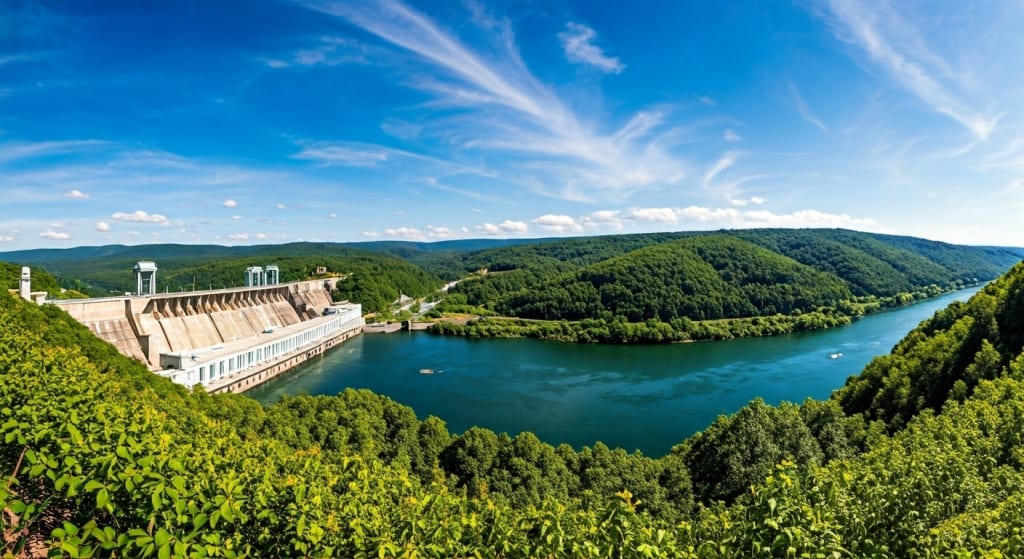
The Evolution of Hydroelectric Projects
Key Highlights
- Hydroelectric power, a renewable energy source, harnesses water flow for electricity generation.
- Technological advancements boosted hydropower's evolution, with key milestones including the Hoover Dam.
- Various hydroelectric systems exist, including impoundment, diversion ("run-of-river"), and pumped storage.
- Hydropower significantly contributes to global electricity generation, with China leading in installed capacity.
- Future trends focus on sustainable hydropower development, addressing climate change and energy demands.
Introduction
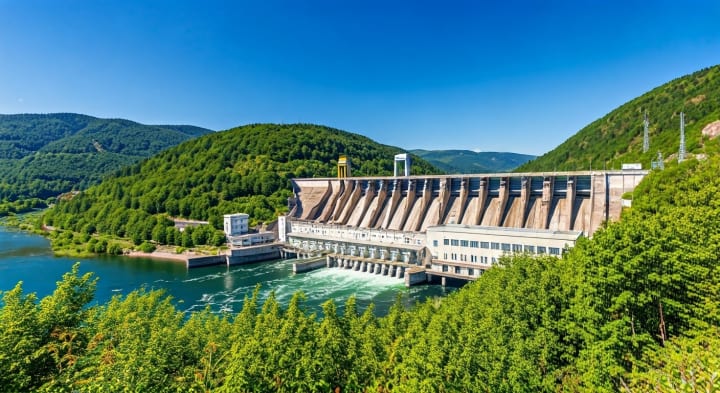
Hydroelectric power, a cornerstone of renewable energy, has been shaping our world for centuries. This form of energy relies on the natural power of water flow, converting its kinetic energy into electricity. From rudimentary water wheels to sophisticated power plants, the journey of hydroelectric power is a testament to human ingenuity and our evolving relationship with nature.
The Origins of Hydroelectric Power
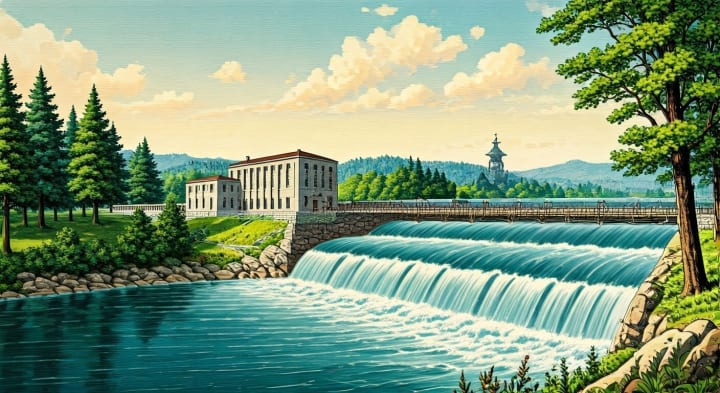
The utilization of water power dates back millennia, with early civilizations harnessing its energy for tasks like grinding grain and irrigating crops. The precursor to modern hydroelectric power, the water wheel, emerged as a pivotal invention, primarily employed for mechanical tasks like milling and textile production.
However, it was the late 19th century that marked the dawn of hydroelectric power as we know it. The invention of the generator, a device capable of converting mechanical energy into electricity, revolutionized the use of water power. This breakthrough paved the way for the construction of the first hydroelectric power plants, forever changing the energy landscape.
The inception and early developments
Early hydroelectric development saw significant strides in harnessing the power of water for electricity generation. One of the most notable examples is the iconic Niagara Falls, where the first large-scale hydroelectric power plant was built in 1895. The Edward Dean Adams Power Plant, a marvel of its time, showcased the immense potential of hydroelectric power.
Simultaneously, across the United States, numerous small-scale hydroelectric plants began to emerge. Towns like Grand Rapids, Michigan (1880), and Dolgeville, New York (1881), witnessed the construction of power plants that brought electric lighting and powered local industries. As the 19th century drew to a close, the world embraced this transformative technology, with Germany pioneering the first three-phase hydroelectric system in 1891.
Key milestones in the United States
The 20th century ushered in an era of monumental hydroelectric projects in the United States. The construction of the Hoover Dam, a symbol of American engineering prowess, commenced in 1931 and was completed in 1936. This colossal dam, located on the Colorado River, not only provided flood control and irrigation but also became a major source of hydroelectric power for the southwestern United States.
Further bolstering hydropower development, the Federal Power Act of 1920 and its subsequent amendments played a crucial role. This act sought to regulate hydroelectric projects on federal lands and waterways, promoting responsible development and utilization of this vital resource. These milestones solidified the United States' position as a leader in hydropower generation.
Technological Advancements in Hydroelectricity
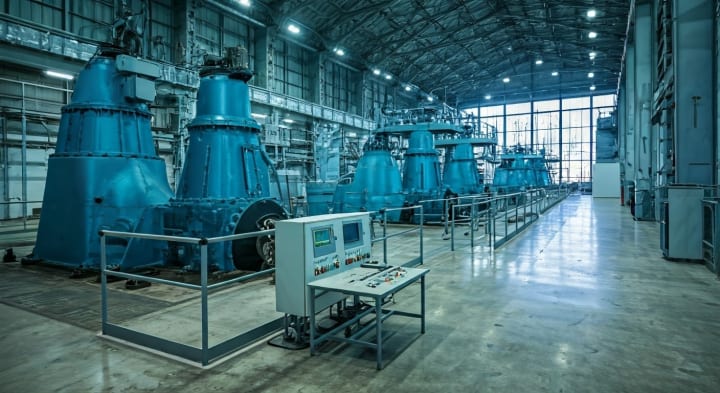
As our understanding of hydroelectric power deepened, so did our ability to harness it more effectively. The 20th century witnessed remarkable technological advancements that redefined the capabilities of hydroelectric power stations. These innovations were not merely about generating more power but doing so with increased efficiency and reduced environmental impact.
This transition marked a paradigm shift in hydroelectric technology, paving the way for smarter, more sustainable hydropower solutions.
From mechanical to digital: A shift in control systems
The transition from mechanical to digital control systems revolutionized the operation of hydroelectric power stations. Early hydroelectric plants heavily relied on mechanical governors and manual adjustments to regulate water flow and electricity generation. However, the advent of digital control systems brought about a paradigm shift.
These computerized systems offered unparalleled precision in controlling every aspect of a hydroelectric power plant's operation. Real-time monitoring of water levels, flow rates, and electricity demand allowed for dynamic adjustments, maximizing efficiency and responsiveness to fluctuating grid requirements. This shift not only enhanced the operational efficiency of these plants but also reduced their environmental footprint.
Innovations in turbine and dam design
Advancements in turbine technology focused on maximizing energy capture from water flow. Engineers developed innovative turbine designs, such as variable speed turbines, optimized for specific water flow conditions and enhancing overall turbine efficiency. These improvements allowed hydroelectric plants to generate more electricity from the same amount of water, increasing their output without the need for larger dams or reservoirs.
Moreover, dam construction techniques evolved, incorporating environmentally friendly materials and designs that minimized ecological disruption. This focus on sustainable development underscored the industry's commitment to balancing energy production with environmental stewardship.
Types of Hydroelectric Power Systems
Hydroelectric power systems demonstrate remarkable diversity, each tailored to specific geographic and environmental conditions. While large hydroelectric dams often capture the public's imagination, a range of hydroelectric systems cater to different needs. Impoundment facilities, the most prevalent type, rely on dams to create reservoirs, storing vast amounts of water and enabling electricity generation on demand.
Diversion hydropower, also known as "run-of-river" systems, utilize the natural flow of a river, diverting a portion of water through a channel or penstock to generate electricity. This approach has a lower environmental impact compared to impoundment systems. Finally, pumped-storage hydropower acts as a giant battery, storing energy for later use by pumping water to a higher reservoir during periods of low electricity demand and releasing it through turbines when demand is high.
Historical Evolution of Hydroelectric Power
The historical evolution of hydroelectric power is inextricably intertwined with global events and technological advancements. World War II, with its unprecedented demand for energy, propelled the construction of numerous hydroelectric projects worldwide. Governments recognized the strategic importance of a reliable and domestically sourced energy supply, leading to significant investments in hydropower infrastructure.
This period witnessed remarkable growth in global hydropower capacity, driven by large-scale projects that powered industries and fueled economic development. It was during this time that hydroelectric power firmly established itself as a leading renewable energy source, shaping the global energy landscape for decades to come.
Future Trends in Hydroelectric Power
The future of hydroelectric power is being shaped by the pressing need to address climate change and meet the world's growing energy demands sustainably. The Paris Agreement, a landmark global accord aimed at combating climate change, has placed renewed emphasis on renewable energy sources like hydropower.
As nations strive to reduce their carbon footprint and transition to cleaner energy systems, hydropower is expected to play a pivotal role. Innovations in hydropower technology, including advanced turbine designs and energy storage solutions, are further enhancing its viability. The industry's focus on minimizing environmental impact and engaging with local communities is crucial for ensuring its continued acceptance and success.
Sizes and Capacities of Hydroelectric Power Plants
Hydroelectric power plants come in a wide range of sizes and capacities, from small systems powering individual homes to massive dams generating electricity for entire regions. The installed capacity of a hydroelectric power plant, typically measured in megawatts (MW), determines its electricity production potential.
Small hydroelectric projects, often referred to as "micro-hydro," cater to localized energy needs, while large-scale projects like the Three Gorges Dam in China, with an astounding installed capacity of 22,500 MW, demonstrate the immense scale achievable with hydropower. The table below illustrates the varying sizes and capacities of hydroelectric power plants:

Impact of Hydroelectric Projects on Local Communities
Hydroelectric projects can have a profound impact on local communities, influencing their economies, social structures, and access to resources. While these impacts can be both positive and negative, proactive measures can help maximize benefits and mitigate potential drawbacks. On the positive side, hydroelectric projects often stimulate local economies by creating jobs, boosting infrastructure development, and providing a source of revenue.
Access to reliable electricity can improve living standards, enhance educational opportunities, and attract businesses to the area. However, it's essential to acknowledge that hydroelectric projects can also displace communities, disrupt traditional livelihoods, and alter the natural environment. Open communication, community engagement, and equitable benefit-sharing mechanisms are crucial for ensuring that hydroelectric projects contribute positively to the well-being of local communities.
Hydroelectric Projects and Seismic Safety Concerns
The construction of hydroelectric projects, particularly large dams, in seismically active regions raises important safety concerns that necessitate careful planning and risk mitigation measures. Earthquakes pose a significant threat to dam integrity, as seismic activity can compromise structural stability, leading to potentially catastrophic consequences.
Therefore, conducting thorough seismic risk assessments during the project's design phase is paramount. This involves analyzing historical earthquake data, evaluating ground conditions, and implementing robust engineering solutions to enhance the dam's resilience to seismic events. Regulatory frameworks governing dam safety play a crucial role in ensuring that hydroelectric projects are built and operated in a manner that safeguards both human lives and the environment.
Micro-Hydroelectric Systems for Home Use
As the demand for renewable energy solutions surges, homeowners are increasingly turning to micro-hydroelectric systems as a sustainable and cost-effective option for powering their homes. These systems harness the energy of flowing water on a smaller scale, typically utilizing a stream, creek, or even downspouts to generate electricity. While the output of a home hydropower system is generally modest, it can significantly reduce reliance on the traditional power grid and lower electricity bills.
The initial investment costs can be offset by government incentives and long-term savings on energy expenses. Moreover, micro-hydroelectric systems have a minimal environmental footprint, making them an attractive choice for environmentally conscious homeowners seeking to reduce their carbon footprint and embrace clean energy solutions.
Regulatory Frameworks and Hydroelectric Projects
The development and operation of hydroelectric projects are subject to a complex web of regulatory frameworks designed to balance energy production with environmental protection and social considerations. In the United States, agencies like the Federal Energy Regulatory Commission (FERC) play a crucial role in licensing and regulating hydroelectric projects, ensuring compliance with safety and environmental standards.
Environmental laws, such as the Clean Water Act and the Endangered Species Act, also influence the siting, design, and operation of hydroelectric facilities. Compliance with these regulations is essential for mitigating potential impacts on water quality, fish and wildlife habitats, and overall ecosystem health. Striking a balance between harnessing the energy potential of water resources and safeguarding the environment is at the heart of effective hydroelectric project regulation.
Future Innovations in Hydroelectric Technology
The world watches as hydroelectric technology further evolves, driven by the pursuit of even greater efficiency and sustainability. Research and development efforts are focused on optimizing existing technologies and exploring novel approaches to enhance hydropower's performance and reduce its environmental impact.
Advancements in energy storage are particularly promising, allowing hydroelectric plants to store excess energy generated during periods of low demand and release it when needed, enhancing grid stability and reliability. The exploration of advanced materials, such as stronger and more durable concrete mixtures for dam construction, aims to extend the lifespan of hydroelectric infrastructure while minimizing maintenance requirements. As we move towards a future increasingly reliant on renewable energy, innovations in hydropower technology will be instrumental in meeting the world's growing energy needs sustainably.
Conclusion
In conclusion, the evolution of hydroelectric projects showcases a remarkable journey from early developments to modern technological advancements. The impact on local communities, seismic safety concerns, and future innovations underscore the complexity and importance of hydroelectric power systems. As we look ahead, regulatory frameworks and community benefits will play pivotal roles in shaping the future of hydroelectric projects. Understanding the environmental impacts and challenges faced during construction is crucial for sustainable development. Embracing micro-hydroelectric systems for home use and exploring future innovations will further contribute to renewable energy goals. The continuous evolution of hydroelectric technology reflects a commitment to cleaner energy sources and a greener future.
Frequently Asked Questions
How does hydroelectric power contribute to renewable energy?
Hydroelectric power is a renewable energy source because it utilizes the naturally replenishing water cycle for electricity generation. Unlike fossil fuels, which are finite and release harmful greenhouse gases, hydropower has a low carbon footprint, making it a key player in combating climate change.
What are the environmental impacts of hydroelectric projects?
While generally considered a clean energy source, hydroelectric projects can impact the ecosystem. Dam construction can alter river flow patterns, affecting wildlife habitat and fish migration. Additionally, large reservoirs may increase greenhouse gas emissions from decomposing organic matter.
How Do We Get Energy From Water?
Harnessing energy from water involves capturing the kinetic energy present in water flow. This is typically achieved by constructing dams to create reservoirs, channeling water through turbines, which spin and power generators to produce electricity.
What are the environmental impacts of a hydroelectric project?
A hydroelectric project can impact biodiversity by altering habitats, potentially displacing or harming aquatic species. The impoundment of water can lead to sedimentation behind the dam, impacting water quality and downstream ecosystems.
How does a hydroelectric project generate electricity?
A hydroelectric project harnesses the power of water pressure. Water stored at a height is released, and its flow is directed through turbines. The rotating turbines turn generators within the power plant, ultimately generating electricity.
What are the challenges faced during the construction of a hydroelectric project?
Constructing a hydroelectric project presents engineering challenges, particularly in challenging terrains. Steep canyons or seismic zones require complex designs and robust construction materials, significantly impacting construction costs.
What role does government policy play in the development of hydroelectric projects?
Government policies, encompassing regulatory frameworks and financial incentives, heavily influence hydroelectric project development. Subsidies, tax breaks, and streamlined permitting processes can encourage investment, while environmental regulations ensure responsible project implementation.
How do communities benefit from a hydroelectric project?
Hydroelectric projects often bring economic benefits to local communities, including job creation during both construction and operation phases. The development of energy infrastructure can lead to improved energy access, fostering local economic growth.
What are some examples of successful hydroelectric projects around the world?
Notable examples of successful hydroelectric projects include the Itaipu Dam, a marvel of engineering shared by Brazil and Paraguay, and the Grand Coulee Dam, a cornerstone of hydropower generation in the United States, showcasing China's dominance in hydropower.
How does a hydroelectric project contribute to renewable energy goals?
Hydropower is instrumental in achieving carbon neutrality and renewable energy targets. Replacing fossil fuels with hydropower significantly reduces carbon emissions, aiding countries in meeting their commitments to a more sustainable energy future.
What are the potential risks associated with building a hydroelectric dam in seismic zones?
Building a hydroelectric dam in a seismic zone demands rigorous risk assessment. Earthquakes can jeopardize a dam's structural integrity, leading to potential failure. Robust design, stringent construction standards, and comprehensive disaster preparedness plans are crucial for mitigating these risks.
About the Creator
Nur Jahan Begum
Passionate blogger on Vocal Media, sharing engaging stories, insights & creativity across various topics. From personal experiences to trending topics, I craft content that informs, inspires & entertains. Join me on this journey of words!
Keep reading
More stories from Nur Jahan Begum and writers in Earth and other communities.
SpaceX launches crew to rescue NASA astronauts from ISS
Key Highlights SpaceX launched its Crew-10 mission, carrying four astronauts to the International Space Station (ISS). The mission aims to relieve NASA astronauts Butch Wilmore and Suni Williams, stranded on the ISS for nine months due to issues with Boeing's Starliner spacecraft. The Crew Dragon capsule, carrying NASA astronauts Nichole Ayers and Anne McClain, Roscosmos astronaut Kirill Peskov, and JAXA's Takuya Onishi, launched successfully from Kennedy Space Center. Wilmore and Williams were part of Boeing's first crewed Starliner test flight, which encountered technical difficulties, prolonging their stay. This is the third launch attempt for Crew-10, with previous attempts scrubbed due to technical issues and weather conditions.
By Nur Jahan Begum12 months ago in Earth
This Is What I Do When People Throw Rocks At Me
Rocks have been thrown at me for a greater part of my life. Some have been small and missed hitting me. When people don't get a reaction from me, they throw bigger rocks with a better aim. Many have been hurled at me with precision over the years. For a long time, I thought my only options were to dodge them or be crushed by them.
By Margaret Minnicks7 days ago in Confessions



Comments
There are no comments for this story
Be the first to respond and start the conversation.