
Time is Ticking, Lives on the Line; Hold the Global North Accountable
A Global Crisis Worsened by Disparities
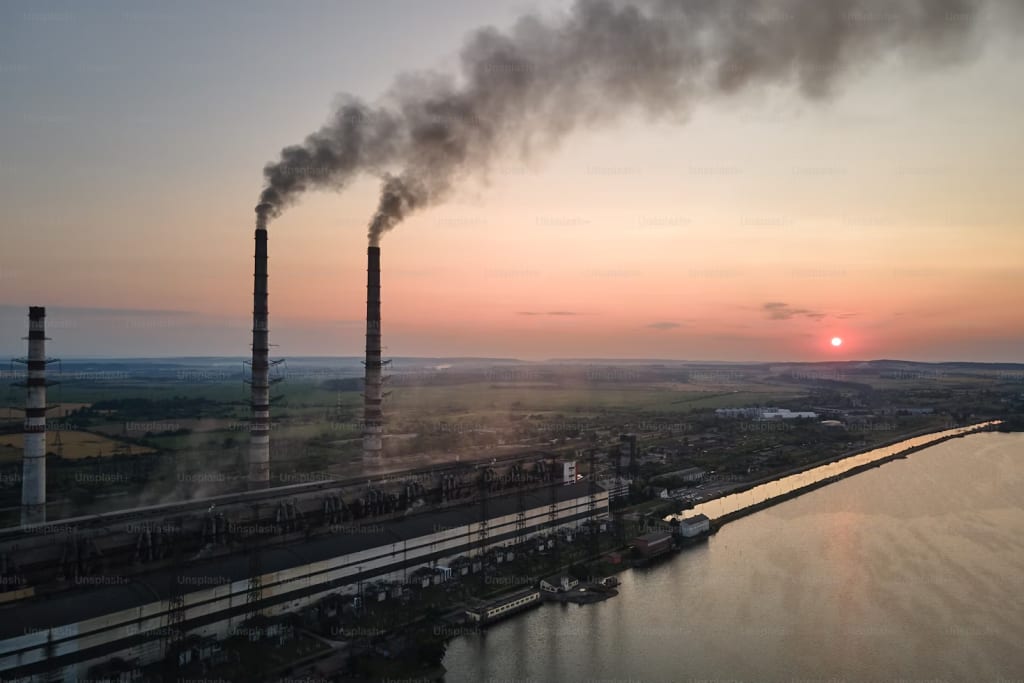
Over the passing years, the world has grappled with an ongoing and worsening issue of climate change. The Intergovernmental Panel on Climate Change (IPCC), a United Nations organization tasked with evaluating the science associated with climate change, stated that humans in the present time are experiencing unprecedented changes in the global climate. Some of these observable occurrences are deemed irreversible and will persist for hundreds to thousands of years.
The detrimental effects of this global issue have conspicuously manifested on a substantial and widespread scale. Approximately 11,000 square miles of Greenland's ice sheet and glaciers have melted in the last three decades, subsequently transforming into wetlands, shrub vegetation, and barren rock. This transformation contributes to the exacerbation of rising sea levels. Significant transformations are also evident in Antarctica, which has been having massive ice loss each year, including the detachment of the world's largest iceberg from its seafloor grip in November 2023—an iceberg exceeding twice the size of the capital city of Britain.
In addition, the national parks in Africa, which serve as a home to a diverse array of wildlife including lions, elephants, and buffaloes, face growing threats due to below-average rainfall and the establishment of new infrastructure projects. The drought poses a crucial risk to species such as rhinos, giraffes, and antelope due to the decreasing available food supply. Moreover, the escalating global temperatures and changes in weather patterns are leading to an increased occurrence of severe heat waves, wildfires, floods, hurricanes, and other extreme weather events in various nations.
The prevalent cause of the worsening climate change and its widespread impact on the entire ecosystem lies in the excessive emission of Greenhouse Gases, continuously adding significant amounts of gas to the atmosphere and trapping heat within the ecosystem. As affirmed by the United States Environmental Protection Agency, greenhouse gasses resulting from human activities have emerged as the primary factor propelling observed climate change since the mid-20th century.
In response to this issue, leaders from various countries engage in collective efforts each year, unless otherwise agreed upon by the parties, to find ways to combat the escalating threat of greenhouse gasses, which poses a major risk to the world. The Conference of the Parties (COP) to the UN Framework Convention on Climate Change (UNFCCC) was established to “stabilise greenhouse gas concentrations at a level that would prevent dangerous anthropogenic (human-induced) interference with the climate system.”
However, these annual talks appear to yield only marginal adjustments insufficient to comprehensively achieve their goals. Despite nearly three decades of these annual meetings, GHG emissions remain a significant threat, and climate change continues its devastating impact on the ecosystem. Countries, particularly those with a heightened responsibility to balance their carbon emissions, persist as leading contributors to harmful gases worldwide.
Based on a study done by The Lancet Planetary Health, the United States bears 40% of the responsibility for the current global climate breakdown, while the European Union accounts for 29%. Collectively, the Global North is accountable for a staggering 92% of the excess global carbon emissions.
In addition to the United States and European nations, the affluent countries constituting the Global North include Australia, Canada, Israel, Hong Kong, Macau, New Zealand, Japan, Singapore, South Korea, and Taiwan. These nations are recognized as significant contributors to greenhouse gas emissions, primarily due to their advanced levels of economic and industrial development.
The extensive extraction of resources, deforestation for the acquisition of wood and minerals, and excessive processing for the benefit of wealthy nations play a crucial role in the rapid and severe emissions driving the current climate catastrophe. However, despite being the primary catalyst of deteriorating climate change, it is unjust that the impacts are not as profoundly felt by these affluent nations compared to the suffering experienced by poorer countries, which contribute less but bear the brunt of the massive effects of the climate crisis.
Based on the International Rescue Committee report, most of the vulnerable countries of climate disaster are in South Africa and Asia. Somalia tops the list, having faced a flash flood in March 2023 that affected 460,000 people, displacing tens of thousands, and worsening the challenges of drought and extreme food insecurity. Similarly, Syria has been grappling with severe drought and environmental challenges, exacerbated by over a decade of war, hindering effective response measures. The Democratic Republic of Congo (DRC) faces disease outbreaks, including measles, malaria, and Ebola, along with flooding and landslides in May 2023 that impacted over 15,000 people and claimed over 500 lives. Other countries on the list, such as Afghanistan, Yemen, Chad, South Sudan, Central African Republic (CAR), Nigeria, and Ethiopia, share similar struggles related to health, shelter destruction, and food security.
Looking at the disparity between the Global North countries and the less affluent ones, it becomes evident how the impacts of the climate crisis are disproportionately experienced, highlighting the unequal consequences of the global catastrophe. It is ironic that some must endure the ramifications for the benefit of more privileged nations.
With all the occurrences that have been continuous for several years, holding Global North countries responsible for their ongoing actions is of paramount importance. Exploiting their power for personal gain, even at the expense of harming the world, particularly the vulnerable ones, reflects a selfish act that must not be tolerated. It is crucial to amplify voices, utilizing social media and every available platform, to disseminate the call for accountability.
Greenhouse gas contributors typically include activities from their respective governments and other large corporations, which do not fully represent the entire population of their countries. In fact, there are still environmental activists in the Global North, along with numerous ordinary citizens, who have the choice to advocate for environmental preservation. Thus, the responsibility to combat this issue extends beyond the most affected countries; even individuals in affluent nations can take a proactive stance by voicing their call to halt excessive emissions that would certainly benefit all, especially the most affected ones.
About the Creator
Keep reading
More stories from James E. Anduyan and writers in Earth and other communities.
Unveiling Real Life Struggles on the Streets
“The real battle is on the streets” I kept on hearing these words ever since I stepped my foot at the Polytechnic University of the Philippines, a state university in our country that is known to be home of progressive students who are evidently vocal about social issues.
By James E. Anduyan2 years ago in Education
High-Speed Train Crash in Southern Spain Leaves at Least 21 Dead
A devastating high-speed train crash in southern Spain has left at least 21 people dead and dozens injured, shocking the nation and triggering a major emergency response. The incident, which occurred on a busy rail route connecting key southern cities, has reignited concerns over railway safety, infrastructure maintenance, and emergency preparedness in one of Europe’s most advanced rail networks.
By Aarif Lashariabout 4 hours ago in Earth
Icy Chaos in Central and Eastern Europe
Winter has unleashed its fury across central and eastern Europe, leaving travelers frustrated and transport networks struggling to keep up. Over the past few days, freezing rain and ice have wreaked havoc on airports, train stations, and highways — forcing flight diversions, delaying trains, and making roads treacherously slippery. From Vienna to Budapest, Prague to Bratislava, this icy grip has brought travel to a near standstill. Let’s take a closer look at what’s happening, how it’s affecting people on the move, and what it tells us about winter travel in Europe. A Sudden Winter Blow A sudden wave of freezing rain swept across the region, coating runways, rail tracks, and roads with a dangerous layer of ice. Major airports in Austria, Hungary, Slovakia, and the Czech Republic were particularly affected. At Vienna International Airport, operations were temporarily suspended when runways became too slick for flights to land safely. Travelers already in the air had to divert to alternative airports in Munich, Frankfurt, and Venice. Meanwhile, Budapest’s Ferenc Liszt International Airport paused all arrivals and departures, and Prague’s Václav Havel Airport continued operating but at limited capacity. Trains Crawling Through Ice Rail networks weren’t spared. Across Austria, Hungary, and the Czech Republic, ice on tracks and power lines caused delays and cancellations. Austria’s national rail operator, ÖBB, urged passengers to postpone non-essential journeys. In the Czech Republic, travelers at Prague’s main station faced long waits as trains struggled to maintain schedules. Hungary’s tram and suburban rail services were temporarily suspended due to ice buildup on power lines. This combination of black ice, frozen switches, and heavy snowfall has tested the limits of winter infrastructure in Europe. Roads Turn Into Skating Rinks The icy weather didn’t just affect public transport — roads became treacherous, too. Authorities in Slovakia and the Czech Republic warned residents to avoid non-essential travel as highways turned into slippery skating rinks. Accidents and minor collisions were reported, and emergency services were busy responding to dozens of injuries from slips and falls. Even schools weren’t immune: parts of Romania shifted to online learning, keeping children safe during the extreme temperatures, which dropped to around -13°C in some areas. Why This Weather Is So Disruptive Meteorologists point to several factors that made this storm particularly severe: Freezing rain on top of existing snow creates an icy layer that’s extremely hard to clear. Rapidly refreezing surfaces make conditions unpredictable. Temperatures hovering around freezing prevent efficient melting during the day. This “perfect storm” scenario underscores just how vulnerable transport systems are to extreme weather. Even well-prepared airports and rail networks can struggle when weather transitions from snow to freezing rain. Voices From the Ground Passengers took to social media to express their frustration: Crowded airports as travelers scrambled to rebook flights. Train stations packed with delayed commuters, unsure when the next train would depart. Warming centers opened to provide shelter and hot drinks for stranded travelers. For many, a simple trip turned into a test of patience and resilience. Tips for Traveling in Freezing Conditions If you must travel during winter storms, experts recommend: Check flight and train schedules regularly, as delays can change quickly. Allow extra time for travel to avoid missing connections. Consider travel insurance that covers weather-related disruptions. If driving, carry winter essentials: blankets, food, water, and check road conditions before departure. Most importantly, prioritize safety over schedules — icy conditions can change rapidly, making travel risky. A Reminder From Winter This recent chaos in central and eastern Europe serves as a stark reminder of how interconnected transport systems are, and how vulnerable they can be to extreme weather. Flights grounded, trains stalled, and highways turned icy show that winter can bring travel to a halt — sometimes with very little warning. As Europe continues to face volatile winter conditions, travelers and authorities alike are reminded: preparation and flexibility are key. Sometimes, the weather truly has the final say. ❄️🛫🚆
By Muhammad Hassan5 days ago in Earth
Silver Screen Magic with Mae West
American actress and singer Mae West became a popular film actress during the Great Depression. She started entertaining in vaudeville, then performed on Broadway, and finally went to Hollywood. She signed up with Paramount Pictures and made her debut in the 1932 film “Night After Night.” She also starred in musicals, comedies, and crime dramas. The American Film Institute named her one of the best classic Hollywood actresses.
By Rasma Raisters5 days ago in Geeks


Comments
There are no comments for this story
Be the first to respond and start the conversation.