
High-Speed Train Crash in Southern Spain Leaves at Least 21 Dead
One of Spain’s deadliest rail disasters in recent years prompts national mourning, urgent investigations, and renewed questions about rail safety.
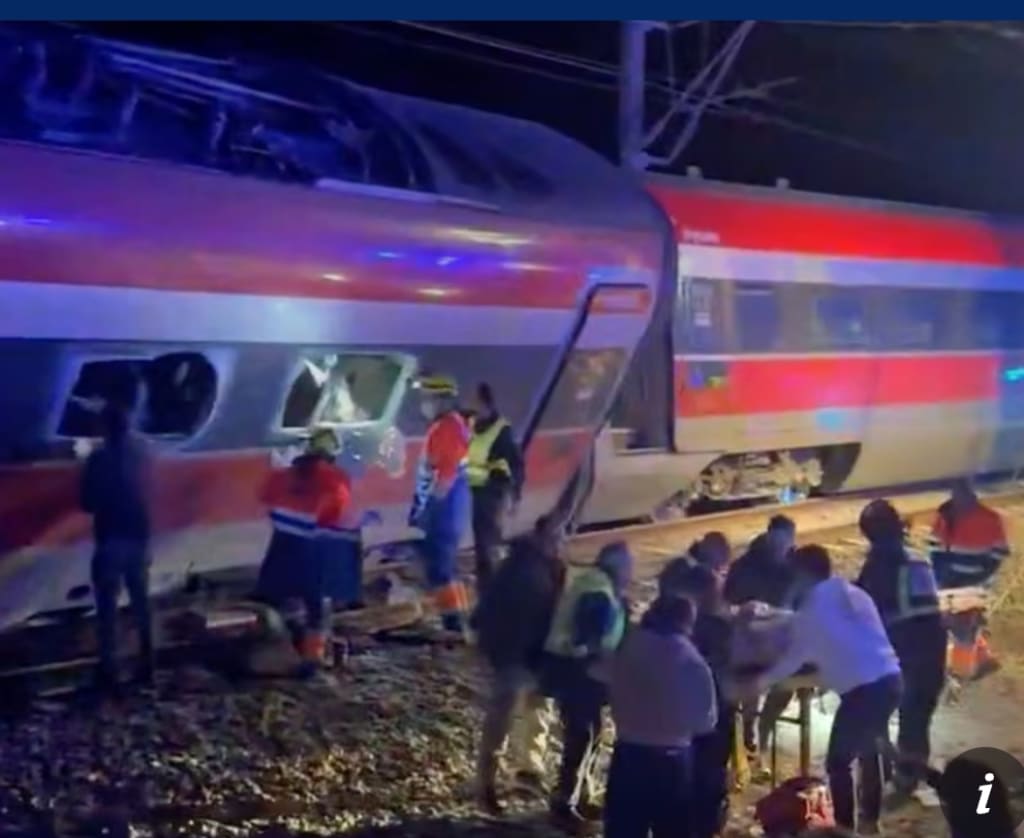
A devastating high-speed train crash in southern Spain has left at least 21 people dead and dozens injured, shocking the nation and triggering a major emergency response. The incident, which occurred on a busy rail route connecting key southern cities, has reignited concerns over railway safety, infrastructure maintenance, and emergency preparedness in one of Europe’s most advanced rail networks.
What Happened?
According to initial reports from Spanish authorities, the high-speed train derailed at speed near a populated area in southern Spain. Several carriages overturned, while others were severely damaged, trapping passengers inside twisted metal. Emergency services rushed to the scene within minutes, launching a large-scale rescue operation involving firefighters, medical teams, police, and civil protection units.
Rescue workers worked through the night, using heavy equipment to reach survivors. Hospitals in nearby cities were placed on high alert as ambulances transported the injured, some of whom remain in critical condition. Officials have warned that the death toll could rise as investigations and medical assessments continue.
Scenes of Chaos and Heroism
Eyewitnesses described scenes of chaos as passengers tried to escape damaged carriages amid smoke, debris, and screams for help. Survivors spoke of sudden jolts followed by violent shaking before the train came to a halt.
Local residents were among the first to respond, offering water, blankets, and assistance before emergency crews arrived. Authorities praised the swift actions of first responders and civilians, noting that their efforts likely saved lives in the critical early moments after the crash.
Government Response and National Mourning
Spain’s prime minister expressed deep sorrow over the tragedy, offering condolences to the victims’ families and pledging full support for those affected. A period of national mourning has been announced, with flags lowered to half-mast across government buildings.
Senior government officials traveled to the crash site and nearby hospitals, emphasizing that a full and transparent investigation would be conducted. “We owe the victims answers,” one official said, adding that accountability would be pursued wherever necessary.
Investigation Underway
Railway authorities and independent investigators have launched an urgent inquiry to determine the cause of the crash. Early lines of investigation include possible technical failure, human error, signaling issues, or excessive speed on a particular section of track.
Spain’s high-speed rail system is widely regarded as one of the safest and most advanced in Europe, making the incident especially troubling. Experts stress that modern rail accidents often result from a combination of factors rather than a single failure.
Investigators are examining data recorders from the train, maintenance logs, and communication records between the train crew and control centers. Until more information is available, officials have urged the public to avoid speculation.
Impact on Rail Services
The crash has caused major disruptions to rail services in southern Spain. Several routes have been suspended or diverted as authorities assess track damage and ensure safety. Thousands of passengers have been affected, with delays and cancellations continuing as recovery operations proceed.
Rail operators have promised to cooperate fully with investigators and to implement any safety recommendations that emerge from the inquiry.
A History That Raises Questions
While Spain’s rail network has a strong safety record, the tragedy inevitably brings memories of past rail disasters. Safety advocates argue that each incident must serve as a lesson, highlighting the importance of constant investment in infrastructure, technology upgrades, and staff training.
Some experts are calling for a broader review of high-speed rail operations, including speed limits in certain areas, automated braking systems, and enhanced monitoring of track conditions.
Voices of Grief and Solidarity
Across Spain, citizens have gathered for vigils to honor the victims. Candles, flowers, and handwritten messages have appeared at train stations and public squares. Social media has been flooded with messages of grief, solidarity, and support for the victims’ families.
Psychological support services have been made available for survivors, families, and first responders, recognizing the emotional toll of the disaster.
Looking Ahead: Safety and Accountability
As Spain mourns, attention is turning toward prevention. Lawmakers and transportation officials face growing pressure to ensure that such a tragedy does not happen again. Calls for improved oversight, transparent reporting, and stronger safety measures are expected to intensify in the coming weeks.
The crash is a stark reminder that even advanced transportation systems are not immune to catastrophe. Public trust in rail travel depends not only on technology, but on rigorous safety culture and accountability.
Conclusion
The high-speed train crash in southern Spain stands as a heartbreaking moment for the country, claiming at least 21 lives and leaving families shattered. As investigations continue, Spain confronts difficult questions about safety, responsibility, and resilience.
For now, the nation grieves—while hoping that lessons learned from this tragedy will lead to safer journeys in the future and ensure that those who lost their lives are not forgotten.
About the Creator
Keep reading
More stories from Aarif Lashari and writers in Earth and other communities.
Man Shot Dead by Police After Aiming Bow and Arrow at Officers
A man has been shot dead by police after allegedly aiming a bow and arrow at officers, authorities have confirmed. The fatal encounter has triggered public debate over police use of force, crisis response protocols, and how law enforcement handles situations involving unconventional weapons.
By Aarif Lashari3 days ago in Earth
Global Lawn Mowers Market Set for Strong Growth as Smart Landscaping Goes Mainstream (2025–2033)
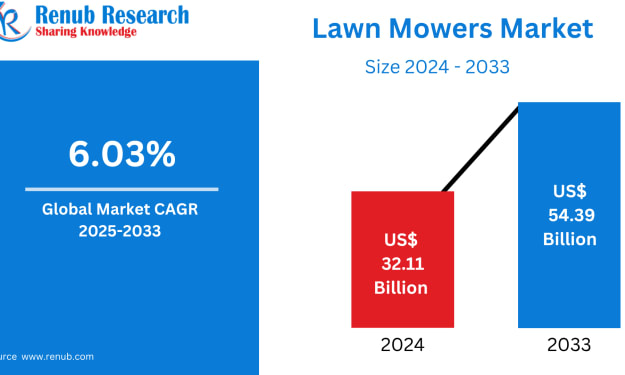
Global Lawn Mowers Market Size & Forecast 2025–2033 The Global Lawn Mowers Market is entering a transformative decade, reshaped by rapid urbanization, the rise of smart homes, and growing environmental awareness. According to Renub Research, the market is projected to grow from US$ 32.11 billion in 2024 to US$ 54.39 billion by 2033, expanding at a CAGR of 6.03% from 2025 to 2033.
By jaiklin Fanandishabout 6 hours ago in Earth
Homeowners Don’t Want to Move: The Big Deal About Shrinking Backyards
In neighborhoods across the country, a subtle but growing trend is taking root: homeowners aren’t moving, and it’s not just because of the housing market. Many are staying put because their backyards—once spaces for relaxation, gardening, and family fun—are shrinking, either physically due to new development or symbolically as life priorities shift. What may seem like a minor detail—an ordinary backyard—is, for many, a defining feature of home life. Losing it can change how people live, play, and even feel about their communities. This shift has consequences for families, urban planning, and even the way cities are designed. It also sheds light on why homeowners are willing to compromise on size, style, or even location rather than give up their outdoor space. Why Backyards Matter More Than Ever Backyards are more than just patches of grass. They are extensions of our living space, providing: Personal outdoor retreats for reading, gardening, or hosting friends. Safe spaces for children and pets to play. Social hubs for barbecues, birthdays, and neighborhood gatherings. Mental and physical health benefits, including fresh air, sunlight, and exercise. For families who have invested years into landscaping, planting trees, or building decks and patios, the backyard is an emotional asset. Moving to a new home often means losing these personal touches—and many homeowners aren’t willing to take that step. “Backyards are part of our identity,” says Laura Jennings, a landscape designer in suburban Chicago. “People have memories tied to them—first steps, garden harvests, family barbecues. That’s why so many homeowners are staying put, even if it’s tempting to relocate for a bigger house or a better neighborhood.” The Trend of Shrinking Yards Urban densification and suburban development have slowly eaten into traditional backyard space. In many cities, large lots are being replaced with townhomes, duplexes, or small-lot single-family homes. Even in suburban neighborhoods, new constructions often prioritize indoor square footage over outdoor space. The shrinking backyard trend has several effects: Less room for recreation: Families may struggle to fit a swing set, pool, or garden into a smaller yard. Increased desire to stay put: Homeowners prefer maintaining a familiar outdoor space rather than trading it for a slightly larger indoor area. Higher emotional attachment: As yards become more limited, the significance of every tree, patch of grass, or vegetable garden grows. For many, the choice isn’t just about square footage—it’s about quality of life. Homeowners Are Making Trade-Offs As a result, more homeowners are staying in place longer, even if it means: Skipping a bigger kitchen or extra bedroom. Living in a less “trendy” neighborhood. Paying more in maintenance or property taxes to keep a cherished yard intact. Some have embraced innovative backyard solutions to maximize smaller spaces: Vertical gardens and container planting. Multi-functional patios that serve as dining, lounging, and play areas. Creative landscaping, including raised beds, pergolas, and tiny ponds. These adaptations allow homeowners to maintain the sense of space and enjoyment they’ve built over years without relocating. Emotional and Social Dimensions Beyond practical reasons, the backyard has a symbolic meaning. It represents: Continuity and stability: Homeowners see staying put as preserving a lifestyle. Family history: Many yards hold stories—graduations, summer afternoons, first bike rides. Community connection: Long-term residents know neighbors, local schools, and nearby amenities. Moving often means giving up these ties. A survey by the National Association of Home Builders found that over 60% of homeowners aged 35–55 preferred staying in their current homes, citing yard size and outdoor enjoyment as key factors. For these individuals, giving up a backyard is not a small inconvenience—it’s a major life decision. The Impact on Neighborhoods and Cities The trend of staying put also affects broader urban and suburban planning. Fewer homeowners moving means: Less turnover in neighborhoods, which can reduce housing market fluidity. Pressure on developers to include quality outdoor space in new builds. Greater demand for parks and community green spaces, as private yards shrink. Urban planners and developers are noticing the importance of outdoor space in retention and satisfaction metrics. Homes with usable yards, green roofs, or communal gardens often have higher value and attract long-term residents. The Future of Backyard Living As city lots shrink and suburban sprawl continues, homeowners are adapting: Smaller, highly curated gardens instead of sprawling lawns. Multi-functional backyards designed for work, play, and entertainment. Investment in outdoor amenities such as fire pits, decks, or small pools. Some communities are exploring shared backyard concepts, like community gardens and pocket parks, to supplement shrinking private spaces. While these aren’t a complete replacement for personal yards, they provide social and environmental benefits and may encourage homeowners to stay in their homes longer. Conclusion: More Than Grass and Trees Shrinking backyards might seem like a minor design issue, but for homeowners, it’s deeply tied to lifestyle, family life, and personal identity. The reluctance to move is not just a reaction to the housing market; it reflects an emotional, social, and practical connection to outdoor space that indoor square footage alone can’t replace. As urban density grows and lot sizes shrink, the importance of backyards will continue to shape homeowner decisions, neighborhood design, and community dynamics. Families are showing that a yard is not just grass and trees—it’s a place of memory, freedom, and connection. In a world where real estate trends often prioritize indoor luxury, the backyard remains a powerful symbol of home, anchoring families to the places they love—and keeping many from moving at all
By Muhammad Hassanabout 7 hours ago in Earth



Comments
There are no comments for this story
Be the first to respond and start the conversation.