
The Urgency of Addressing Climate Change
The need to act rapidly to forestall further damage on our planet
Introduction:
Climate change has emerged as one of the most pressing challenges of our time. The Earth's climate system is undergoing significant shifts, primarily as a result of human activities such as burning fossil fuels, deforestation, and industrial practices. This essay explores the causes, consequences, and potential solutions to climate change, emphasizing the urgency with which we must address this global issue.
Causes of Climate Change:
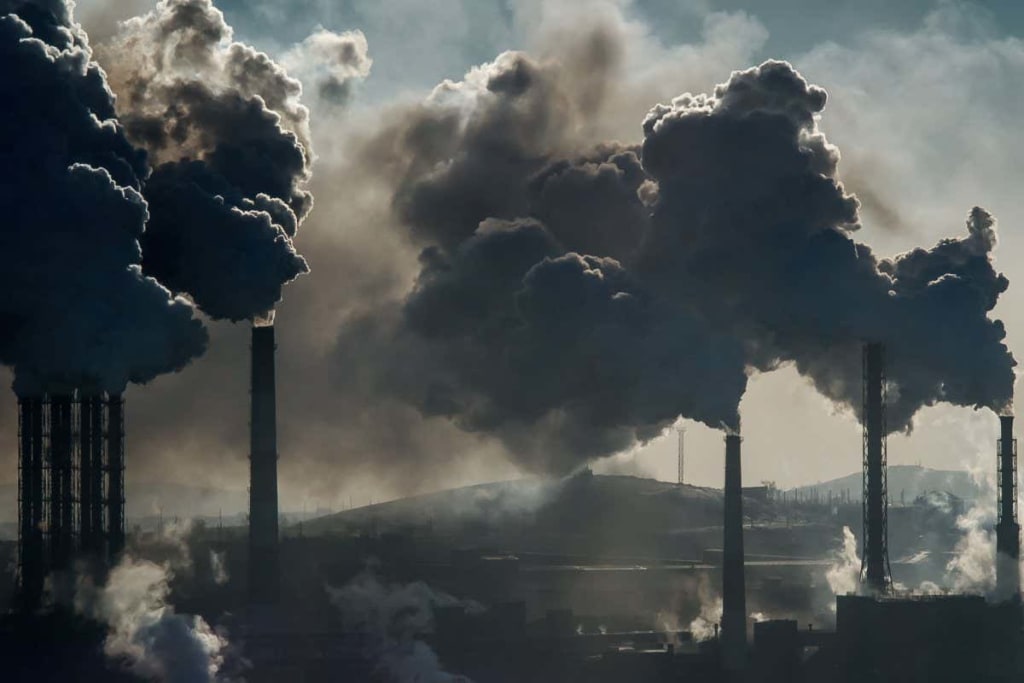
1. Greenhouse Gas Emissions: The primary cause of climate change is the increase in greenhouse gas emissions, primarily carbon dioxide (CO2), methane (CH4), and nitrous oxide (N2O). These gases trap heat from the sun in the Earth's atmosphere, leading to the greenhouse effect and subsequent global warming. The main sources of greenhouse gas emissions are the burning of fossil fuels for energy production, transportation, and industrial processes.
2. Fossil Fuel Consumption: The combustion of fossil fuels such as coal, oil, and natural gas releases massive amounts of CO2 into the atmosphere. The widespread use of these fuels for electricity generation, heating, and transportation has resulted in a rapid increase in atmospheric CO2 levels. This rise in CO2 concentration has been linked to the observed increase in global average temperatures over the past century.
3. Deforestation: Deforestation, primarily for agricultural purposes, is another significant contributor to climate change. Forests act as carbon sinks, absorbing CO2 from the atmosphere and storing it in trees and vegetation. When forests are cleared, the stored carbon is released back into the atmosphere. Additionally, the loss of trees reduces the Earth's capacity to absorb CO2, leading to higher concentrations of greenhouse gases in the atmosphere.
4. Industrial Processes: Various industries release significant amounts of greenhouse gases into the air through processes such as cement production, chemical manufacturing, and waste management. These emissions can be in the form of CO2, CH4, and N2O. Industrial emissions contribute to the overall greenhouse effect and global warming.
5. Agriculture: Agricultural activities, including livestock production, rice cultivation, and the use of synthetic fertilizers, produce substantial amounts of greenhouse gases. Livestock, particularly cows, emit methane through digestion, and the use of synthetic fertilizers releases nitrous oxide. Both gases are potent greenhouse gases and contribute to climate change.
6. Land Use Changes: Changes in land use, such as urbanization, conversion of forests to agricultural land, and land degradation, can significantly impact climate patterns. Altering the landscape can disrupt natural weather patterns and affect the balance of greenhouse gases in the atmosphere. These changes can contribute to localized temperature increases and regional climate variations.
While these human activities play a substantial role in climate change, it is important to note that natural factors can also influence the climate. These include volcanic eruptions, solar radiation variations, and natural cycles such as El Niño and La Niña. However, the scale and rapidity of the current climate change cannot be explained solely by natural factors, highlighting the significant role of human-induced causes.
In conclusion, climate change is primarily caused by the increase in greenhouse gas emissions resulting from human activities. The burning of fossil fuels, deforestation, industrial processes, agriculture, and land-use changes all contribute to the accumulation of greenhouse gases in the atmosphere, leading to global warming and climate instability. It is crucial for individuals, governments, and industries to recognize the impact of their actions and take immediate and decisive measures to mitigate greenhouse gas emissions and address the causes of climate change.
Consequences of climate change
Climate change has far-reaching consequences that affect various aspects of our planet and daily lives. The impacts are wide-ranging and can be seen in the environment, ecosystems, and human societies. Here are some of the major consequences of climate change:
1. Rising Temperatures: One of the most noticeable effects of climate change is the increase in global temperatures. Over the past century, the Earth's average temperature has risen by about 1 degree Celsius. Rising temperatures lead to heatwaves and prolonged periods of extreme heat, which can pose severe health risks, especially for the elderly and vulnerable populations.
2. Melting Ice and Rising Sea Levels: As temperatures rise, glaciers and polar ice caps are melting at an alarming rate. This leads to rising sea levels, posing a significant threat to coastal communities. Higher sea levels contribute to more frequent and severe coastal flooding, erosion of beaches and coastal infrastructure, and saltwater intrusion into freshwater sources.
3. Extreme Weather Events: Climate change intensifies extreme weather events such as hurricanes, droughts, floods, and wildfires. Warmer ocean temperatures fuel more intense hurricanes, leading to increased damage and loss of life. Droughts become more severe and prolonged, causing water shortages, crop failures, and food insecurity. Heavy rainfall events are more frequent, resulting in flash floods, landslides, and disruption of ecosystems.
4. Disruption of Ecosystems: Climate change impacts natural ecosystems, leading to shifts in species distribution and loss of biodiversity.
Climate change is having wide-ranging and severe consequences on various aspects of the environment, society, and the economy. These consequences are being felt across the globe, impacting both developed and developing countries. Understanding the severity of these consequences is crucial to motivate and guide the efforts to mitigate and adapt to climate change.
One of the most notable consequences of climate change is the increase in extreme weather events. Heatwaves, droughts, floods, hurricanes, and wildfires have become more frequent and intense. These events not only have immediate impacts on human lives and livelihoods but also lead to long-term consequences such as food and water scarcity, displacement of populations, and damage to infrastructure. For instance, the devastating wildfires in Australia in 2019 and 2020 caused immense destruction to ecosystems, homes, and wildlife.
Another significant consequence of climate change is the alteration of ecosystems and biodiversity loss. Rising temperatures and changing rainfall patterns disrupt ecosystems, leading to shifts in species distribution, extinction risks, and disruption of ecological processes. Coral reefs, for example, are highly vulnerable to increased ocean temperatures, causing widespread coral bleaching and eventual death. This not only affects the diverse marine life within the reefs but also has socio-economic impacts on communities that depend on them for income and food security.
Furthermore, climate change has significant implications for agriculture and food security. Changes in temperature and rainfall patterns affect crop growth, reduce yields, and contribute to increased pest and disease pressures. This poses risks to global food production and can lead to higher food prices and increased food insecurity, particularly for vulnerable communities in developing countries. Additionally, the melting of glaciers and reduced snowpacks threaten water supplies for agriculture, drinking, and hydropower generation in many regions.
The consequences of climate change are not limited to the environment but also have social and economic impacts. Increasing temperatures and extreme weather events exacerbate health risks, particularly for vulnerable populations. Heatwaves can lead to heat-related illnesses and deaths, while changing disease patterns may spread vector-borne diseases such as malaria and dengue fever to new areas. The economic costs of climate change are also significant, with estimates projecting billions of dollars in damages. These costs stem from the destruction of infrastructure, increased healthcare expenses, and damage to businesses and industries.
Moreover, climate change poses ethical and justice concerns, as the impacts are not distributed equally. Developing countries, with limited resources to adapt and mitigate, bear a disproportionate burden of the consequences. Furthermore, vulnerable populations, including low-income communities, indigenous groups, and marginalized individuals, are more vulnerable to climate impacts due to factors such as limited access to resources, inadequate infrastructure, and social inequalities.
In conclusion, the consequences of climate change are wide-ranging and severe, spanning ecosystems, biodiversity, agriculture, human health, and the economy. It is imperative to address these consequences through mitigation efforts to reduce greenhouse gas emissions and adaptation measures to build resilience to the changing climate. International cooperation, policy actions, technological innovation, and individual actions are all crucial components of the collective response to address climate change and mitigate its impacts. Failure to act effectively and urgently would result in irreversible damage and a bleak future for both present and future generations.
About the Creator
Keep reading
More stories from Boweh Bernardino Titabuh and writers in Earth and other communities.
5 Harsh Reasons You (Accidentally) Fell In Love With A Psychopathh
In one of my articles, I shared a rundown of deterrents to a fruitful relationship when there is psychopathy. The piece created a few intriguing remarks. One of the topics I found normal among certain perusers was the accompanying:
By Boweh Bernardino Titabuh 3 years ago in Education


Comments (2)
Impressive
100% educative and concerning. We need to act now