
Court Orders Restart of All U.S. Offshore Wind Construction
Judicial decision clears legal hurdles, signaling a major boost for renewable energy projects and the nation’s clean energy goals
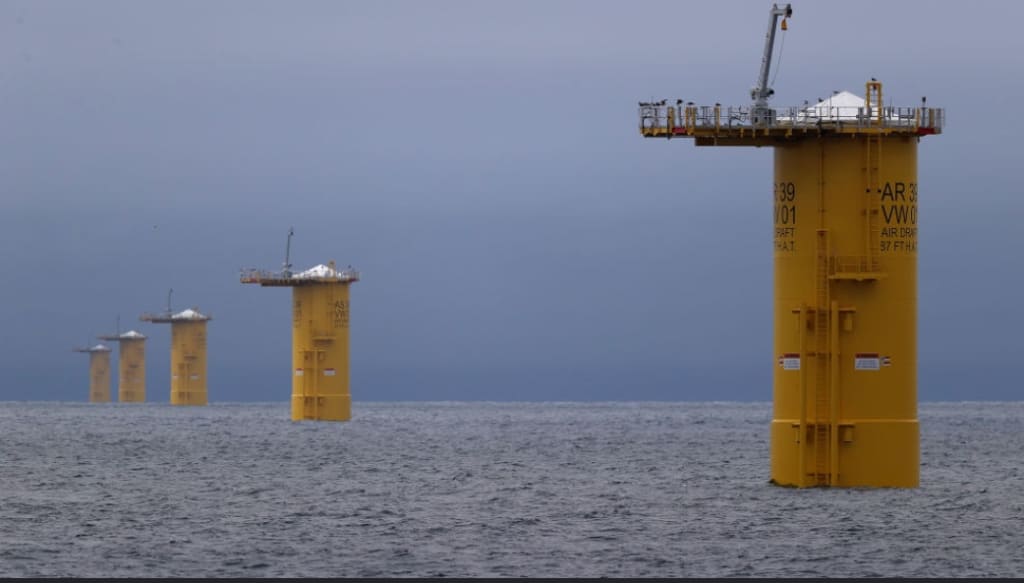
In a landmark decision, a U.S. federal court has ordered the restart of all offshore wind construction projects that had been previously paused due to legal and regulatory challenges. The ruling comes as a major victory for renewable energy advocates, developers, and federal agencies working to expand clean energy infrastructure across the nation’s coasts.
Offshore wind projects in the United States have faced significant delays over the past several years, stemming from environmental reviews, permitting disputes, and lawsuits from local stakeholders concerned about marine ecosystems, fisheries, and coastal communities. The court’s order removes a major obstacle, allowing developers to resume construction and advancing the nation’s broader goals of reducing carbon emissions and transitioning to sustainable energy sources.
Background: Legal and Regulatory Challenges
The offshore wind industry in the U.S. has grown steadily in recent years, following successful projects in Europe. The federal government has set ambitious targets, aiming to achieve 30 gigawatts of offshore wind capacity by 2030, which could power millions of homes while creating tens of thousands of jobs.
However, construction has been repeatedly delayed due to legal disputes. Environmental groups, fishermen, and local governments raised concerns that offshore wind installations could disrupt marine habitats, impact bird migration, or interfere with commercial fishing activities. While federal agencies like the Bureau of Ocean Energy Management (BOEM) conducted environmental assessments and issued permits, these approvals were often challenged in court.
The latest judicial ruling, however, found that the federal permitting process was thorough, legally sound, and complied with environmental and administrative regulations. As a result, all halted projects are now allowed to resume construction, clearing the way for a surge in offshore wind development along the Atlantic and Pacific coasts.
Implications for the U.S. Energy Sector
The court decision is expected to have far-reaching effects on the U.S. energy market. Offshore wind is widely regarded as a crucial component of the country’s transition to clean energy, offering a stable and renewable source of power that can complement solar, onshore wind, and other renewable technologies.
Industry analysts predict that resuming construction could accelerate project timelines, reduce costs, and attract new investments. Major developers such as Ørsted, Equinor, and Vineyard Wind have expressed optimism, noting that legal certainty is essential for long-term planning and financing.
“The court ruling is a major milestone for offshore wind in the United States,” said an industry spokesperson. “With construction resuming, we can move forward on projects that will provide clean, reliable energy and support local economies along the coast.”
Economic and Employment Benefits
Resuming offshore wind construction is expected to create thousands of jobs across multiple sectors, including engineering, manufacturing, shipping, and coastal construction. Economists highlight that the industry could provide high-paying, long-term employment opportunities for local communities, particularly in states such as Massachusetts, New York, New Jersey, and California.
The development of offshore wind also stimulates supply chains, from turbine production and installation vessels to ports and logistics. Local businesses could benefit from increased demand for materials, services, and workforce training programs.
In addition, offshore wind projects contribute to regional energy independence, reducing reliance on fossil fuels and mitigating risks associated with volatile energy markets.
Environmental Impact and Sustainability Goals
Offshore wind is one of the cleanest energy sources available. By generating electricity without greenhouse gas emissions, it plays a critical role in combating climate change and meeting national sustainability targets.
Environmental experts note that while construction and installation have some ecological impacts, such as temporary disturbances to marine life, careful planning and modern mitigation techniques can minimize harm. Measures include adjusting turbine placement, monitoring wildlife, and employing noise-reducing technologies during pile-driving operations.
The court ruling emphasizes that offshore wind projects must continue to adhere to strict environmental standards, ensuring that clean energy development coexists responsibly with marine ecosystems.
Challenges Ahead
While the restart of construction is a major step forward, the industry still faces challenges. Offshore wind projects require significant capital investment, specialized equipment, and skilled labor. Supply chain bottlenecks, particularly in turbine manufacturing and shipping, could impact project timelines.
Furthermore, long-term community engagement remains crucial. Coastal residents, fishermen, and environmental groups need ongoing dialogue to address concerns about the visual impact, navigation safety, and marine habitat protection. Maintaining public trust is essential to ensuring sustainable growth in the sector.
Finally, policymakers will need to continue supporting offshore wind development through tax incentives, streamlined permitting, and research funding to accelerate technology adoption and grid integration.
Looking Ahead: The Future of U.S. Offshore Wind
With construction now resuming, the United States is poised to emerge as a major player in the global offshore wind market. Analysts predict a rapid increase in installed capacity over the next decade, with new projects along the Atlantic Coast expected to come online within the next few years.
Experts also emphasize the potential for technological innovation, including larger, more efficient turbines, floating platforms for deeper waters, and enhanced grid connectivity. These advancements could reduce costs, improve efficiency, and further strengthen the U.S. position in clean energy leadership.
The court decision also sends a signal to investors, showing that the U.S. judicial system supports a balanced approach to renewable energy development—protecting environmental standards while enabling economic growth.
Conclusion
The U.S. federal court’s order to restart offshore wind construction marks a pivotal moment for the nation’s renewable energy landscape. By clearing legal and regulatory hurdles, the ruling enables developers to move forward with critical projects that promise economic growth, job creation, and sustainable power generation.
As offshore wind projects gain momentum, the United States stands to benefit from increased energy security, reduced carbon emissions, and strengthened leadership in clean energy technology. With careful planning, responsible construction, and ongoing community engagement, the restart of offshore wind development could define the future of America’s energy transition for decades to come.
About the Creator
Disappeared Bodies, Mass Burials and ‘30,000 Dead’
For years, reports emerging from Iran have painted a grim and often confusing picture of death tolls tied to political unrest, state violence, pandemics, and human rights abuses. Allegations of disappeared bodies, mass burials, and claims of “30,000 dead” have circulated widely among activists, exiled communities, and international media. Yet, inside Iran, official figures often tell a very different story.
By Aarif Lashari7 days ago in Earth
Tributes Pour In for Beloved Actress Catherine O’Hara
Tributes are pouring in from fans, fellow actors, and filmmakers celebrating the career and influence of Catherine O’Hara, one of the most beloved figures in film and television comedy. Known for her unforgettable roles, sharp wit, and emotional range, O’Hara has built a legacy that spans decades and generations of audiences.
By Aarif Lashari2 days ago in Earth



Comments
There are no comments for this story
Be the first to respond and start the conversation.