
Record-Breaking Snow Blankets Japan, Leaving at Least 30 Dead
Severe winter storms disrupt daily life, strain infrastructure, and raise questions about future climate resilience
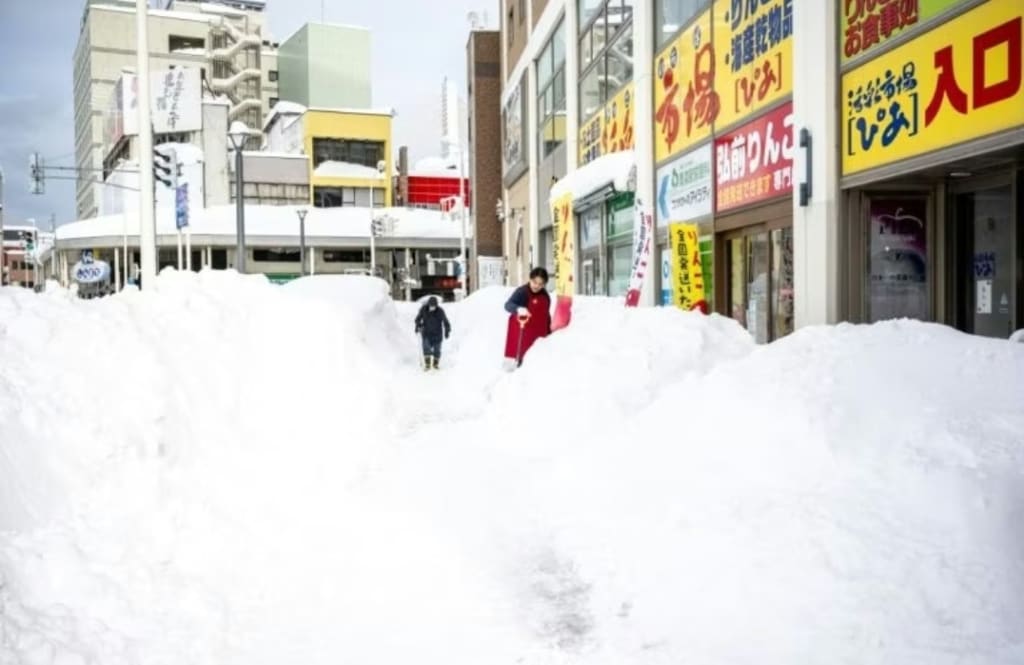
Japan is experiencing one of its harshest winters in recent memory as record-breaking snowfall has swept across multiple regions, claiming the lives of at least 30 people and leaving thousands more grappling with disrupted transportation, power outages, and dangerous conditions. The heavy snow, which began last week and intensified over the weekend, has affected both rural and urban communities, prompting emergency warnings and nationwide efforts to maintain essential services.
Over the years, Japan has become known for its dramatic seasonal shifts, but meteorologists say the intensity of this winter storm is unusual even by the country’s standards. Cities like Niigata, Yamagata, and Akita—typically accustomed to heavy snowfall—saw levels far beyond their monthly averages. In many areas, snow piled up so quickly that public services struggled to respond in time, leaving roads blocked and residents stranded indoors.
A Deadly Wave of Winter Weather
Local authorities have confirmed that at least 30 fatalities are linked to the recent snowfall, with many incidents involving accidents related to slippery surfaces, collapsing structures under snow weight, or exposure to severe cold. While Japan is well-prepared for winter storms, the abrupt intensity of this weather system caught many off guard.
Officials report that elderly residents are disproportionately affected. In rural parts of northern Japan, clearing snow is often a personal responsibility, and older individuals face higher risks when attempting to maintain their homes and access essential supplies. Municipal leaders have appealed for neighbors to check on one another and for younger community members to assist where possible.
Japan’s Fire and Disaster Management Agency has also warned residents to avoid unnecessary travel, keep emergency supplies at home, and stay informed through local weather updates. As conditions remain unpredictable, safety officials are working around the clock to prevent further casualties.
Transportation and Infrastructure Under Strain
The snowstorm has placed tremendous strain on transportation networks throughout Japan. Major highways were temporarily closed due to poor visibility and icy conditions, causing traffic jams that extended for several kilometers. Snowplows and emergency vehicles struggled to reach certain areas as snowfall exceeded 2 meters in some regions.
Rail transport—a cornerstone of Japanese daily life—was also severely affected. Dozens of Shinkansen (bullet train) services were delayed or canceled, leaving passengers stranded in stations overnight. Local train lines, particularly in mountainous regions, faced similar struggles as tracks were buried under layers of snow and ice.
Air travel was not spared either. Several major airports, including those in Niigata and Hokkaido, reported temporary suspensions of operations. Airlines canceled hundreds of flights as runways proved difficult to clear quickly and safely.
Meanwhile, power companies worked to restore electricity to communities that were left without heat as snow damaged power lines. Utility workers battled freezing temperatures while trying to prevent outages from spreading further.
Daily Life Interrupted
For many residents, everyday routines came to an abrupt halt. Schools in affected prefectures canceled classes due to unsafe roads and the risk of roofs giving way under the weight of snow. Local businesses reported fewer customers, as people chose to stay indoors and avoid dangerous travel conditions.
Supermarkets experienced temporary shortages of certain items—particularly fresh produce and daily necessities—as deliveries were delayed by blocked roads. Some communities organized volunteer groups to deliver essential goods to older residents who were unable to leave their homes.
Despite the challenges, moments of solidarity emerged. Neighbors joined together to shovel snow from shared areas, and community centers offered warm spaces for those facing heating outages. Social media platforms filled with messages of support, updates on road conditions, and offers of help.
Government Response and Emergency Measures
The Japanese government has mobilized national resources to support affected prefectures. Prime Ministerial offices released statements emphasizing the importance of rapid response and safety precautions. Self-Defense Forces (SDF) were deployed to help clear deep snow from critical roadways and assist in rescue operations.
Local governments have set up temporary shelters and distributed winter survival kits that include blankets, heating packs, and emergency food supplies. Meteorological agencies are monitoring weather patterns closely and issuing frequent updates to keep residents informed about potential risks.
Disaster management experts highlight that while Japan has strong infrastructure and emergency protocols, extreme weather events like this one expose vulnerabilities—especially in aging communities and remote regions where emergency access is limited.
A Broader Climate Conversation
The severity of the snowfall has renewed discussions about climate patterns in East Asia. Scientists note that while global warming generally raises average temperatures, it can also make weather patterns more erratic. Warmer seas around Japan can contribute to heavier snow when cold air masses from Siberia collide with moisture-rich winds.
Experts believe Japan will need to adapt further by updating infrastructure, improving early-warning systems, expanding support for elderly residents, and strengthening local disaster preparedness plans. The storm has served as a reminder that even well-prepared nations must stay vigilant in the face of increasingly unpredictable climate behavior.
Looking Ahead
As cleanup efforts continue, Japan braces for the possibility of more snowfall in the coming weeks. While meteorologists predict a gradual easing of conditions, many areas are still coping with the aftermath, and local authorities urge patience and caution.
Communities across Japan remain resilient, using cooperation and preparedness to navigate this challenging period. Yet the storm’s impact will likely linger, both physically and emotionally, as families mourn their loved ones and the nation reflects on how to better safeguard its people in future winters.
About the Creator
Disappeared Bodies, Mass Burials and ‘30,000 Dead’
For years, reports emerging from Iran have painted a grim and often confusing picture of death tolls tied to political unrest, state violence, pandemics, and human rights abuses. Allegations of disappeared bodies, mass burials, and claims of “30,000 dead” have circulated widely among activists, exiled communities, and international media. Yet, inside Iran, official figures often tell a very different story.
By Aarif Lashari6 days ago in Earth
Tributes Pour In for Beloved Actress Catherine O’Hara
Tributes are pouring in from fans, fellow actors, and filmmakers celebrating the career and influence of Catherine O’Hara, one of the most beloved figures in film and television comedy. Known for her unforgettable roles, sharp wit, and emotional range, O’Hara has built a legacy that spans decades and generations of audiences.
By Aarif Lashari2 days ago in Earth



Comments
There are no comments for this story
Be the first to respond and start the conversation.