
The Silent Frontier: How Space Exploration is Changing Life on Earth
From the Moon to Mars and beyond, how our ventures into the cosmos are reshaping technology, science, and the human spirit.
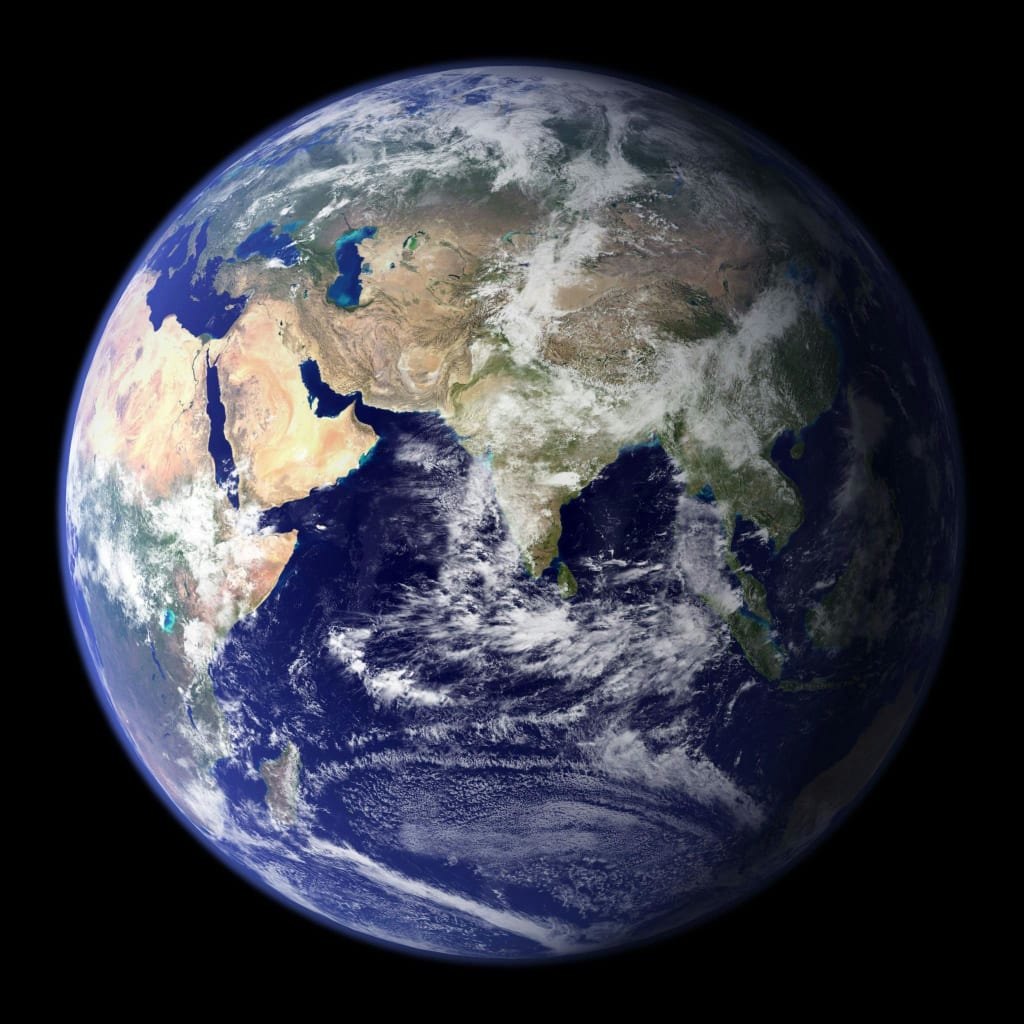
Title:
The Silent Frontier: How Space Exploration is Changing Life on Earth
Subtitle:
From the Moon to Mars and beyond, how our ventures into the cosmos are reshaping technology, science, and the human spirit.
---
Introduction: More Than Just Stars and Rockets
Space—vast, silent, and infinite—has always sparked a profound sense of wonder. For centuries, we’ve looked up at the night sky, drawn by questions: What’s out there? Are we alone? Can humans really live beyond Earth? But in recent decades, space exploration has transformed from a dream into a powerful force reshaping life on Earth.
This isn't just about astronauts or billion-dollar rockets. Space affects you every day—from the GPS in your phone to the weather forecasts you rely on. And as humanity sets its sights on the Moon, Mars, and even exoplanets, the ripple effects will reach deeper into our culture, technology, and future.
Let’s take a journey through the stars—and back down to Earth—to see why space truly matters.
---
1. The Beginning: A Dream Becomes Reality
The launch of Sputnik 1 by the Soviet Union in 1957 was more than the start of the Space Race—it marked humanity’s first physical step beyond our atmosphere. Twelve years later, Neil Armstrong became the first human to set foot on the Moon, declaring, "That's one small step for man, one giant leap for mankind."
But after the Apollo missions, interest waned. The costs were high, the goals unclear. Space exploration seemed like a luxury, not a necessity.
That’s changing.
Today, space is once again in the spotlight—driven not only by governments but by private companies like SpaceX, Blue Origin, and Rocket Lab. The dream of space travel is no longer science fiction. It’s a commercial reality, and its impact is growing.
---
2. Everyday Space: How It Affects Our Lives Now
You might not realize it, but space technology is woven into your daily routine:
GPS Navigation: Those satellites above Earth allow you to find the nearest coffee shop or navigate cross-country.
Weather Prediction: Satellite data helps forecast hurricanes, heatwaves, and even climate change patterns.
Communication: Ever made an international call or used satellite TV? Thank space tech.
Beyond that, materials and innovations developed for space—like memory foam, infrared thermometers, and even water purification systems—are used in hospitals, cars, and homes around the world.
Space exploration is no longer isolated from society; it’s embedded in it.
---
3. The Return to the Moon: Why It Matters
NASA’s Artemis program plans to land the first woman and the next man on the Moon, aiming to establish a sustainable lunar presence. But why go back?
Because the Moon is the training ground for Mars and beyond. It’s close, resource-rich, and ideal for testing long-duration missions. Lunar bases could even extract water from frozen craters, converting it into breathable air or rocket fuel.
This is more than flag-planting—it's infrastructure-building for a spacefaring civilization.
---
4. Mars: Humanity’s Next Great Challenge
Ask any space enthusiast where humans are headed next, and they’ll say: Mars.
Mars captures the imagination like no other planet. With its red deserts, ice caps, and signs of ancient water, it feels almost reachable. NASA’s Perseverance rover is currently exploring the Martian surface, collecting samples and searching for signs of past life.
But sending humans to Mars will be the biggest challenge in space history. It’s a 7-month journey one way, with no chance of a quick return. Radiation, isolation, and the need for self-sufficiency make it a test of not just technology, but endurance and spirit.
Still, companies like SpaceX are betting everything on it. Elon Musk’s goal? A self-sustaining colony on Mars within our lifetime.
---
5. Beyond the Planets: Telescopes and Deep Space Discoveries
While rockets and rovers steal headlines, some of the most profound space discoveries come from telescopes.
The James Webb Space Telescope (JWST) is now delivering breathtaking images of galaxies formed just after the Big Bang. It’s helping scientists study exoplanets—planets orbiting other stars—and even detect atmospheric signatures that might indicate alien life.
With thousands of confirmed exoplanets in our database, we’re closer than ever to answering a question that has haunted us for centuries: Are we alone in the universe?
---
6. Space Tourism: A New Frontier for the Wealthy?
In 2021, billionaires Jeff Bezos and Richard Branson took short trips to the edge of space. Critics called it a vanity project—but space tourism is growing.
While the price tag remains steep (millions per ticket), these flights signal a future where more people might experience space, even if only briefly. Space hotels, zero-gravity concerts, and suborbital commuting could become realities in the decades ahead.
The question is: Will it stay exclusive, or evolve into something accessible to all?
---
7. The Ethics and Risks of Expansion
As we push into space, new dilemmas arise:
Who owns the Moon or Mars?
The Outer Space Treaty of 1967 says no country can claim a celestial body, but mining rights and territorial debates are on the horizon.
Space Debris:
Over 30,000 pieces of space junk orbit Earth, threatening satellites and astronauts. Cleaning it up is a priority.
Artificial Satellites and Light Pollution:
Starlink and similar mega-constellations provide global internet—but they’re cluttering the night sky, affecting astronomical research and cultural traditions.
If we’re not careful, we could repeat Earth’s mistakes on a galactic scale.
---
8. Why Space Still Matters
So, why should everyday people care about space?
Because it’s not just about exploration—it’s about inspiration. Space reminds us of our smallness, but also our potential. It pushes science forward, challenges our assumptions, and unites nations in pursuit of shared knowledge.
It’s easy to look at the stars and dream. But increasingly, those dreams are becoming goals, and those goals are becoming blueprints for humanity’s future.
---
Conclusion: The Universe is Calling
Space is not just the final frontier—it’s the next chapter in the human story. As we build rockets, explore planets, and search for life among the stars, we are also learning more about ourselves.
Whether it’s the thrill of a launch, the silence of a rover on Mars, or the quiet elegance of a distant galaxy caught on camera, space continues to inspire awe.
In a world divided by politics, borders, and beliefs, space offers a rare common ground—a place where human ambition meets cosmic possibility.
And that journey has only just begun.
About the Creator
Keep reading
More stories from Rahmat Ullah Khan and writers in Earth and other communities.
Beyond the Blue Sky: Exploring the Wonders and Mysteries of Outer Space
Title: Beyond the Blue Sky: Exploring the Wonders and Mysteries of Outer Space Subtitle: From ancient stargazers to intergalactic missions, a journey through humanity's fascination with the cosmos
By Rahmat Ullah Khan8 months ago in Earth
Hotter Than Many Stars: Astronomers Discover an Ultra-Hot Exoplanet
Astronomers have discovered an extraordinary new exoplanet that is hotter than many stars, offering a rare glimpse into some of the most extreme conditions in the universe. The planet, located hundreds of light-years away from Earth, has stunned scientists with surface temperatures so intense that they rival those found on small stars. The discovery is providing new insights into how planets form, evolve, and survive in hostile cosmic environments.
By Irshad Abbasi 3 days ago in Earth


Comments
There are no comments for this story
Be the first to respond and start the conversation.